
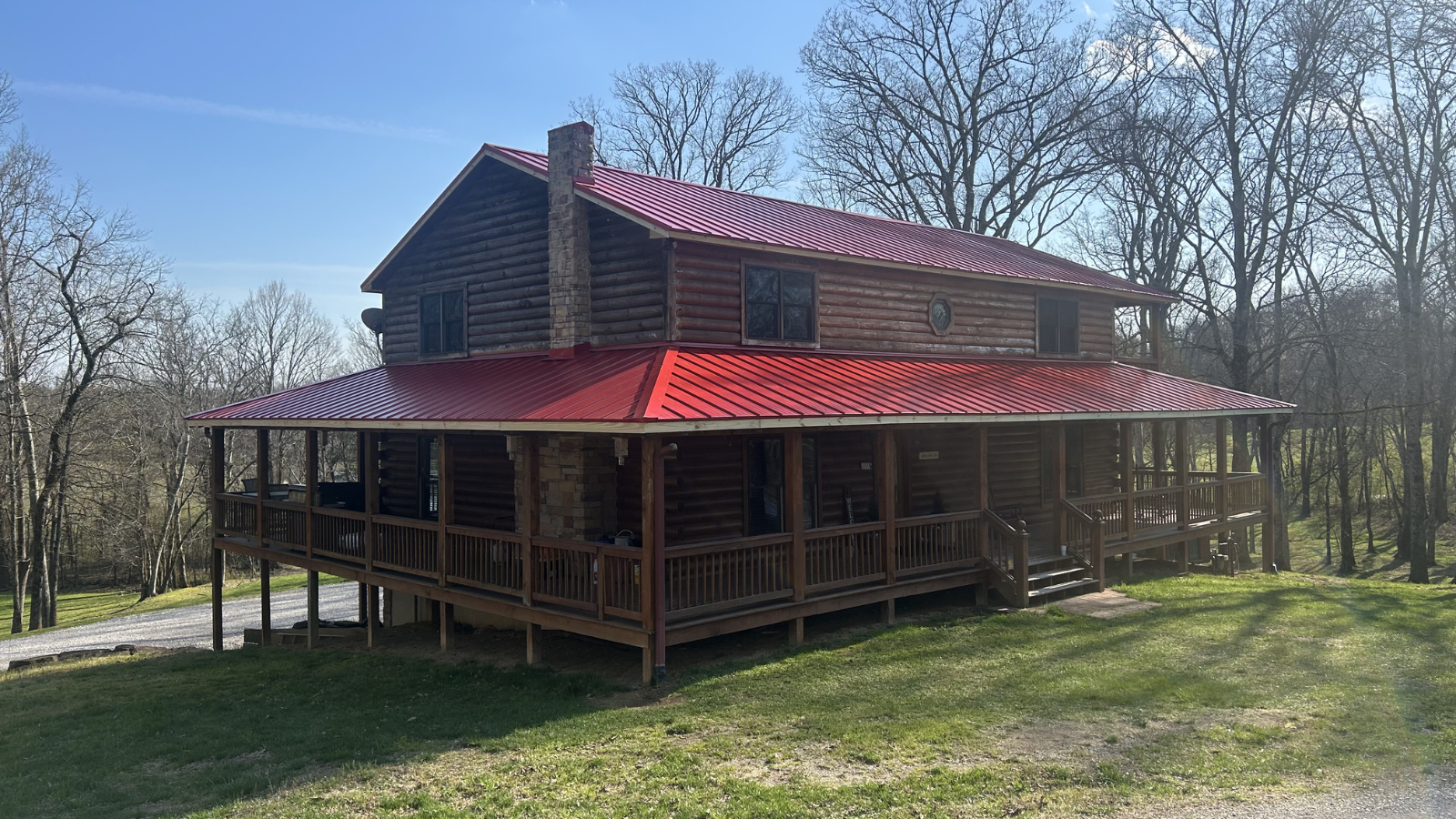
Severe weather is a part of life in Northern Indiana and Southwest Michigan. Throughout the year, homeowners in Elkhart and the surrounding communities may experience damaging thunderstorms, hail, tornadoes, high winds, heavy rain, and winter ice storms. These weather events can leave behind missing shingles, damaged gutters, roof leaks, broken siding, fallen trees, and structural concerns that require immediate attention.
While no one can stop a storm, knowing what to do immediately afterward can make a significant difference. Taking the proper storm damage response steps helps protect your family, minimizes additional damage, supports your insurance claim, and can save thousands of dollars in future repairs.
At Elkhart County Roofing, we proudly help homeowners throughout Elkhart, Bristol, Goshen, Granger, Howe, La Porte, LaGrange, Ligonier, Michigan City, Middlebury, Mishawaka, Nappanee, Shipshewana, South Bend, Wakarusa, Fort Wayne, Edwardsburg, Kalamazoo, Niles, Rochester, and nearby communities recover from storm damage with professional inspections, roof repairs, and complete roof replacement services.
Why Immediate Action Matters After Storm Damage
Many homeowners assume that if they don’t see water leaking into their home, everything is fine. Unfortunately, storm damage often starts small and becomes much worse over time.
A single missing shingle can expose your roof deck to rain. Lifted shingles can allow moisture to seep underneath without showing immediate signs indoors. Damaged flashing may slowly leak into walls, ceilings, and insulation before becoming noticeable.
The sooner you begin the proper storm damage response steps, the greater your chances of limiting damage and avoiding more expensive repairs.
Step 1: Make Safety Your First Priority
Your home can be repaired. Your family’s safety cannot.
After severe weather has passed, check everyone in your household for injuries before inspecting your property.
Remain cautious around:
- Downed electrical lines
- Broken utility poles
- Flooded areas
- Fallen trees
- Hanging branches
- Broken glass
- Damaged chimneys
- Sagging roofs or ceilings
If your home appears structurally unsafe or you smell natural gas, leave immediately and contact emergency services or your utility company.
Safety should always be the first of all storm damage response steps.
Step 2: Walk Around Your Property Carefully
Once conditions are safe, inspect your property from the ground.
Avoid climbing ladders or walking on the roof.
Look for obvious signs of storm damage such as:
- Missing shingles
- Roofing debris
- Bent gutters
- Detached downspouts
- Damaged siding
- Broken windows
- Fallen tree limbs
- Leaning fences
- Damaged garage doors
Take your time and inspect every side of the home.
Even small signs of damage deserve attention.
Step 3: Perform a Ground Level Roof Inspection
Many types of storm damage can be seen without climbing onto your roof.
Use binoculars if available and look for:
- Missing shingles
- Lifted shingles
- Torn shingles
- Exposed roof decking
- Bent flashing
- Damaged vents
- Ridge cap damage
- Debris trapped in roof valleys
- Dented metal roofing components
Never attempt to walk on a storm damaged roof.
Professional roofers have the proper safety equipment and training to inspect roofs safely.
Ground inspections are among the safest storm damage response steps homeowners can perform.
Step 4: Take Photos of Everything
Documentation is extremely important for insurance claims.
Photograph:
- Roof damage
- Gutters
- Siding
- Windows
- Outdoor structures
- Vehicles
- Fallen trees
- Interior leaks
- Ceiling stains
- Water damage
Take both close-up photos and wide shots showing the overall location of damage.
Also write down:
- Date of the storm
- Approximate time
- Weather conditions
- Areas affected
Accurate documentation makes it easier to support your insurance claim.
Step 5: Protect Your Home From Additional Damage
Insurance companies generally expect homeowners to take reasonable steps to prevent additional damage.
Temporary protection may include:
- Placing buckets beneath roof leaks
- Covering furniture
- Moving electronics away from water
- Installing temporary tarps if safe
- Boarding broken windows
- Removing standing water
Do not begin permanent repairs until your insurance company or roofing contractor has documented the damage.
Temporary protection is one of the most important storm damage response steps after severe weather.
Step 6: Inspect Your Home’s Interior
Storm damage isn’t always visible outside.
Walk through your home and check:
- Ceilings
- Walls
- Windows
- Closets
- Attic
- Basement
- Crawl space
Look for:
- Water stains
- Damp drywall
- Wet insulation
- Mold odors
- Bubbling paint
- Warped flooring
- Ceiling discoloration
Even a small water stain could indicate significant roof damage above.
Step 7: Check Your Attic
Your attic often reveals roof problems before they become visible elsewhere.
Look for:
- Daylight shining through the roof
- Damp insulation
- Wet wood
- Mold growth
- Active drips
- Water trails along rafters
Early detection can prevent widespread structural damage.
Step 8: Contact Your Insurance Company
Notify your insurance provider as soon as possible.
Be prepared to provide:
- Photos
- Videos
- Notes
- Date of loss
- Description of the damage
Ask about:
- Your deductible
- Claim deadlines
- Temporary repair guidelines
- Required documentation
- Inspection scheduling
Keep copies of every email and document related to your claim.
Step 9: Schedule a Professional Roof Inspection
Some of the most serious storm damage cannot be seen from the ground.
Professional roofing inspections often identify:
- Hail bruising
- Lifted shingles
- Flashing damage
- Torn seal strips
- Soft roof decking
- Damaged underlayment
- Vent damage
- Moisture intrusion
Professional evaluations are among the most valuable storm damage response steps because they identify hidden problems before they become major repairs.
Common Types of Storm Damage in Elkhart and Northern Indiana
Homes throughout Northern Indiana experience a wide variety of storm related roofing problems.
Wind Damage
Strong winds can:
- Lift shingles
- Remove shingles
- Damage ridge caps
- Bend flashing
- Loosen gutters
Even if shingles remain attached, their waterproof seal may already be compromised.
Hail Damage
Hail can leave behind:
- Impact marks
- Cracked shingles
- Missing granules
- Dented flashing
- Damaged roof vents
- Bent gutters
Many forms of hail damage cannot be identified without a professional inspection.
Heavy Rain Damage
Heavy rainfall often exposes existing roofing weaknesses.
Problems may include:
- Roof leaks
- Overflowing gutters
- Interior water damage
- Saturated insulation
- Ceiling stains
Fallen Trees and Branches
Storms frequently bring down tree limbs that can:
- Puncture roofing
- Damage decking
- Break gutters
- Destroy skylights
- Crush siding
Never attempt to remove heavy branches yourself.
Winter Storm Damage
Snow and ice create unique roofing challenges.
Winter storms may cause:
- Ice dams
- Frozen gutters
- Roof leaks
- Heavy snow loads
- Water backup beneath shingles
Proper attic insulation and ventilation help reduce winter roofing problems.
Storm Damage That Homeowners Often Miss
Not every roofing problem is obvious.
Professional inspectors frequently discover:
- Lifted shingles
- Hidden flashing damage
- Granule loss
- Small punctures
- Soft decking
- Underlayment damage
- Moisture trapped beneath roofing materials
These hidden issues often worsen over time if left untreated.
Common Mistakes Homeowners Make After Storms
Avoid these common mistakes:
- Walking on the roof
- Waiting weeks before calling a roofer
- Ignoring small leaks
- Throwing away damaged materials
- Hiring the first contractor who arrives
- Paying large deposits upfront
- Beginning permanent repairs too early
Avoiding these mistakes makes the recovery process much easier.
Beware of Storm Chasing Contractors
After severe weather, out-of-town contractors often travel into affected neighborhoods.
Be cautious if someone:
- Knocks on your door immediately after a storm
- Uses high pressure sales tactics
- Demands full payment upfront
- Cannot provide local references
- Has no proof of insurance
- Offers prices that seem unusually low
Choosing an established local contractor provides better accountability and long-term support.
Temporary Repairs Versus Permanent Repairs
Temporary repairs help prevent additional damage until permanent work begins.
Examples include:
- Emergency roof tarping
- Window boarding
- Water removal
- Debris cleanup
Permanent repairs may involve:
- Roof replacement
- Flashing replacement
- Roof decking repairs
- Gutter replacement
- Structural repairs
Both play important roles after severe weather.
Prepare Before the Next Storm
Routine maintenance can significantly reduce storm damage.
Homeowners should:
- Schedule annual roof inspections.
- Clean gutters regularly.
- Trim overhanging tree branches.
- Replace damaged shingles.
- Secure outdoor furniture.
- Review insurance coverage.
- Keep emergency supplies available.
Preventive maintenance makes future storm damage response steps much easier.
Questions to Ask Before Hiring a Roofing Contractor
Choosing the right contractor is just as important as responding quickly after a storm.
Ask questions such as:
- Are you licensed and insured?
- Do you provide written estimates?
- Will you inspect the entire roofing system?
- Do you replace damaged decking if necessary?
- What warranties do you offer?
- Do you follow manufacturer installation guidelines?
Professional contractors will gladly answer these questions.
Why Homeowners Trust Elkhart County Roofing
At Elkhart County Roofing, we know how stressful storm damage can be. Our experienced team is committed to helping homeowners recover quickly with honest recommendations, detailed inspections, quality workmanship, and dependable customer service.
We thoroughly inspect every roofing system, including shingles, flashing, underlayment, decking, ventilation, gutters, and structural components to identify both visible and hidden storm damage. Our goal is to provide lasting repairs that restore your home’s protection and give you confidence for future storms.
We proudly serve homeowners throughout Elkhart, Bristol, Goshen, Granger, Howe, La Porte, LaGrange, Ligonier, Michigan City, Middlebury, Mishawaka, Nappanee, Shipshewana, South Bend, Wakarusa, Fort Wayne, Edwardsburg, Kalamazoo, Niles, Rochester, and surrounding Indiana and Michigan communities.
Protect Your Home by Acting Quickly
Storms may be unpredictable, but your response doesn’t have to be. Knowing the proper storm damage response steps allows homeowners to protect their families, reduce additional property damage, simplify insurance claims, and restore their homes faster.
By focusing on safety first, documenting damage thoroughly, preventing further water intrusion, contacting your insurance company promptly, and scheduling a professional roof inspection, you can avoid many costly problems that develop after severe weather.
If your home has recently been affected by hail, wind, heavy rain, or falling debris, don’t wait for hidden damage to become a larger issue. Contact Elkhart County Roofing today to schedule a comprehensive storm damage inspection. Our experienced team proudly serves homeowners throughout Elkhart, Bristol, Goshen, Granger, Howe, La Porte, LaGrange, Ligonier, Michigan City, Middlebury, Mishawaka, Nappanee, Shipshewana, South Bend, Wakarusa, Fort Wayne, Edwardsburg, Kalamazoo, Niles, Rochester, and nearby communities with trusted roofing solutions designed to protect your home for years to come.
