
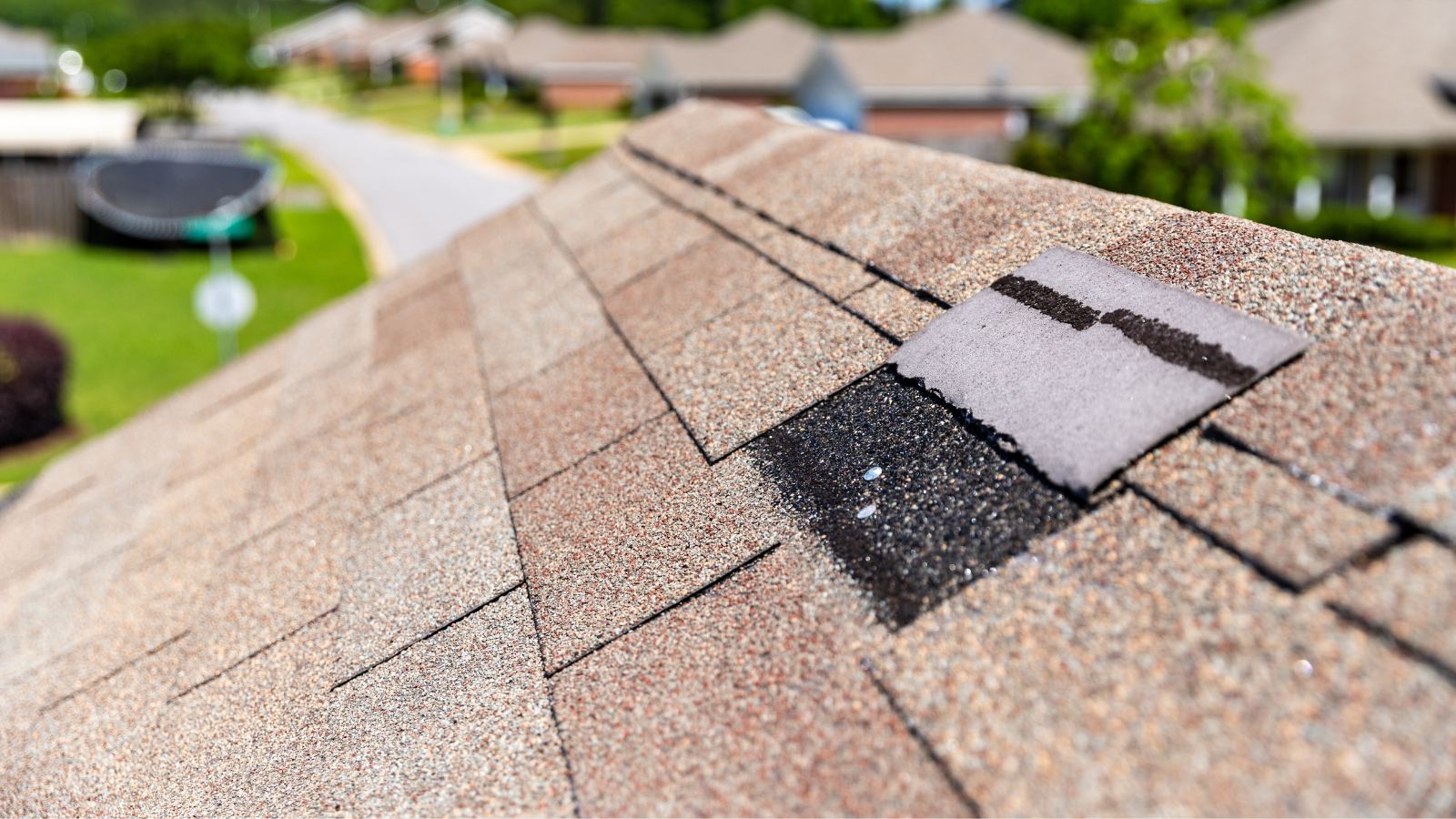
Northern Indiana weather can be tough on residential roofing systems. Homeowners may deal with freezing temperatures in winter, heavy rain in spring, heat and humidity in summer, strong winds throughout the year, and severe storms that can bring hail or falling debris.
Because roofing materials are constantly exposed to changing conditions, damage does not always happen all at once. In many cases, small problems develop gradually as shingles expand and contract, moisture enters weak areas, flashing loosens, or gutters struggle to keep up with heavy rainfall.
Understanding Indiana weather roof damage can help homeowners recognize warning signs earlier, maintain their roofing systems more effectively, and know when it is time to schedule a professional inspection.
At Elkhart County Roofing, we help homeowners throughout Elkhart, Bristol, Goshen, Granger, Howe, La Porte, LaGrange, Ligonier, Michigan City, Middlebury, Mishawaka, Nappanee, Shipshewana, South Bend, Wakarusa, Fort Wayne, Edwardsburg, Kalamazoo, Niles, and Rochester protect their homes through every season.
Why Northern Indiana Weather Is Hard on Roofs
Roofing systems are designed to withstand exposure to the elements, but repeated weather changes can gradually weaken even high-quality materials.
Northern Indiana homes may experience:
- Snow and ice
- Freeze and thaw cycles
- Heavy rain
- Strong winds
- Thunderstorms
- Hail
- Summer heat
- High humidity
- Falling branches
- Sudden temperature changes
Each condition affects the roof differently.
For example, heavy snow adds weight, while ice can block drainage. Strong winds may lift shingles. Intense sunlight can accelerate shingle aging. Repeated moisture can damage decking and insulation if water enters the roofing system.
The cumulative effect of these conditions is a major reason Indiana weather roof damage should be taken seriously even when no major storm has occurred recently.
Winter: Snow Load and Roof Stress
Northern Indiana winters can bring significant snowfall.
Snow may appear light when it first falls, but accumulated snow can become heavy, especially when layers become compacted or absorb moisture.
Most properly designed residential roofs are built to handle normal seasonal snow loads. However, problems can develop when:
- Snow becomes unusually deep
- Ice forms beneath the snow
- Drainage is blocked
- The roof already has structural weaknesses
- Decking has been damaged by moisture
Homeowners should pay attention to unusual roofline changes, interior cracking, or other signs of stress.
Never climb onto a snow-covered roof yourself. Snow and ice create extremely slippery conditions, and hidden weak areas may make the surface unsafe.
Ice Dams and Roof Damage
Ice dams are one of the most recognizable winter roofing concerns.
They typically form when heat from the home warms the upper portion of the roof. Snow melts and flows toward the colder roof edge, where it freezes again.
Over time, a ridge of ice forms near the eaves.
Additional melting snow may then collect behind the ice instead of draining naturally.
Water can move beneath shingles and potentially reach:
- Underlayment
- Roof decking
- Insulation
- Walls
- Ceilings
Ice dams are a common example of Indiana weather roof damage because the problem involves both exterior temperatures and conditions inside the attic.
How Attic Insulation Helps Prevent Ice Dams
The roof itself is only part of the ice dam equation.
Attic insulation and air sealing play an important role in controlling how much indoor heat reaches the roof deck.
If excessive heat escapes into the attic, it may warm sections of the roof unevenly.
Improving insulation and sealing air leaks can help reduce heat transfer.
Common sources of attic heat loss include:
- Recessed lighting
- Attic access doors
- Plumbing penetrations
- Electrical openings
- Gaps around ducts
A roofing inspection can help determine whether ventilation or other roof-related factors are contributing to winter moisture concerns.
Freeze and Thaw Cycles
Temperatures in northern Indiana may rise above freezing during the day and fall below freezing overnight.
These repeated changes can be hard on roofing materials.
Water may enter a small crack, freeze, expand, and enlarge the opening.
Repeated cycles can gradually affect:
- Shingles
- Flashing
- Sealants
- Gutters
- Masonry near chimneys
Freeze and thaw cycles are an important source of Indiana weather roof damage because the effects may develop slowly over time.
Homeowners may not notice anything until a leak appears months later.
Winter Wind Damage
Winter storms often include strong winds.
Cold roofing materials can become more brittle, making them vulnerable to wind damage.
Wind may:
- Lift shingle edges
- Break adhesive seals
- Remove ridge caps
- Loosen flashing
- Damage vents
- Pull gutters away from fascia
A shingle does not have to blow completely off the roof to become damaged.
Sometimes the adhesive seal breaks and the shingle settles back down.
From the ground, it may appear normal even though it is more vulnerable to future wind and rain.
Spring: Heavy Rain and Roof Leaks
As winter transitions into spring, roofs face a different challenge.
Spring often brings frequent rainfall and thunderstorms.
Heavy rain can expose weak areas around:
- Chimneys
- Roof valleys
- Skylights
- Plumbing vents
- Flashing
- Roof-to-wall intersections
- Damaged shingles
A roof may withstand light rain without leaking but develop problems during longer or more intense storms.
This is why spring is a good time to pay attention to attic moisture and ceiling stains.
Why Flashing Problems Often Appear During Spring
Flashing helps direct water away from roofing intersections and penetrations.
It is commonly installed around:
- Chimneys
- Valleys
- Dormers
- Sidewalls
- Skylights
- Plumbing vents
Winter conditions may loosen flashing, crack sealants, or create small gaps.
When heavy spring rain arrives, those vulnerabilities may become active leaks.
Professional inspection and repair of flashing can help prevent moisture from reaching decking and interior materials.
Spring Thunderstorms and Strong Winds
Northern Indiana can experience severe thunderstorms during spring and summer.
These storms may produce sudden gusts capable of damaging roofing materials.
Wind damage may include:
- Lifted shingles
- Creased shingles
- Missing shingles
- Damaged ridge caps
- Loose gutters
- Damaged flashing
After a strong storm, homeowners should safely inspect the property from the ground.
Look for roofing debris in the yard, missing shingles, damaged gutters, or branches on the roof.
A professional inspection may be appropriate even when damage is not immediately visible.
Hail Damage During Severe Weather
Hail can damage roofing systems in ways that are difficult to detect.
On asphalt shingles, hail may cause:
- Granule loss
- Bruising
- Cracks
- Exposed asphalt
- Damage to the fiberglass mat
Hail may also affect:
- Gutters
- Downspouts
- Flashing
- Roof vents
- Siding
The severity depends on hail size, wind speed, roofing material, roof age, and the angle of impact.
Hail-related Indiana weather roof damage may not result in an immediate leak. Instead, damaged areas can deteriorate faster over time.
Spring Debris and Falling Branches
Spring storms may bring falling limbs and airborne debris.
Even relatively small branches can damage roofing materials if they strike with enough force.
Impact damage may include:
- Cracked shingles
- Punctures
- Damaged decking
- Dented metal roofing
- Broken vents
- Damaged gutters
Branches can also accumulate in valleys and gutters, blocking water flow.
Trim overhanging limbs when appropriate and have large tree work handled by qualified professionals.
Summer: Heat and UV Exposure
Summer weather creates another set of challenges.
Roof surfaces can become significantly hotter than the surrounding air, especially on sunny days.
Constant exposure to heat and ultraviolet radiation can gradually age asphalt shingles.
Potential effects include:
- Drying
- Brittleness
- Granule loss
- Fading
- Curling
- Cracking
The roof may not appear damaged after one hot day, but years of exposure can reduce material performance.
This long-term aging is another form of Indiana weather roof damage homeowners should consider when evaluating an older roofing system.
Why Attic Ventilation Matters in Summer
A properly ventilated attic helps remove excess heat.
Without adequate airflow, attic temperatures may rise significantly.
Excessive heat can contribute to premature aging of roofing materials and may also make the home’s cooling system work harder.
A balanced ventilation system generally includes:
- Intake ventilation near the eaves
- Exhaust ventilation near the ridge
Simply adding more vents does not always solve the problem. Intake and exhaust should work together.
During a roof inspection, contractors can evaluate whether ventilation appears appropriate for the home.
Summer Humidity and Moisture
Hot weather does not eliminate moisture problems.
Northern Indiana summers can be humid.
Moisture may enter the attic from inside the home through bathrooms, kitchens, or other living spaces.
Without adequate ventilation, humidity may contribute to:
- Condensation
- Mold
- Damp insulation
- Wood deterioration
- Rusted fasteners
A roofing system should help manage both exterior weather and interior moisture.
Sudden Summer Storms
Summer thunderstorms may develop quickly and bring:
- Strong wind
- Heavy rain
- Hail
- Lightning
- Falling branches
These storms can place several types of stress on the roof at once.
For example, wind may lift shingles while rain is being driven beneath them.
Hail may damage already weakened shingles.
Branches may clog gutters while rainfall continues.
The combination can create Indiana weather roof damage that is more serious than any one weather condition alone.
Fall: Leaves and Clogged Gutters
Autumn may seem like a relatively mild season, but falling leaves create drainage problems.
Leaves, twigs, and other debris can collect in:
- Gutters
- Downspouts
- Roof valleys
- Low-slope areas
When gutters become clogged, rainwater may overflow onto fascia, siding, and foundations.
Water may also remain near roof edges longer than intended.
Cleaning gutters before winter can help prepare the home for rain, snow, and freezing temperatures.
Why Gutter Maintenance Matters
Gutters are closely connected to roof performance.
Their job is to collect water and move it away from the home.
When gutters fail, water can contribute to:
- Fascia rot
- Soffit damage
- Foundation moisture
- Landscape erosion
- Siding stains
- Ice buildup
Homeowners should inspect gutters periodically and after severe storms.
Loose, damaged, or poorly sloped sections should be repaired.
Fall Temperature Changes
Fall often brings large differences between daytime and nighttime temperatures.
Roofing materials naturally expand and contract as temperatures change.
Over many years, this movement may affect:
- Fasteners
- Sealants
- Flashing
- Shingles
- Metal roofing components
High-quality materials and proper installation are designed to accommodate normal movement, but aging components may become less flexible.
This seasonal stress can contribute to Indiana weather roof damage over time.
Why Roof Age Matters During Weather Events
An older roof may respond differently to severe weather than a newer one.
As asphalt shingles age, they may become:
- More brittle
- Less flexible
- More prone to granule loss
- Less resistant to wind uplift
A storm that causes minimal damage to a newer roof could have a greater effect on an older system.
Roof age should not be the only factor considered, but it is an important part of evaluating storm readiness and repair needs.
Common Signs of Weather-Related Roof Damage
Homeowners do not need to climb onto the roof to monitor its condition.
Many warning signs can be identified safely from the ground or inside the home.
Watch for:
- Missing shingles
- Curled shingles
- Roof debris in the yard
- Damaged gutters
- Dented downspouts
- Sagging roof areas
- Branches on the roof
- Damaged siding
Inside the home or attic, look for:
- Ceiling stains
- Wet insulation
- Musty odors
- Mold
- Peeling paint
- Damp wood
These signs may indicate Indiana weather roof damage that needs further evaluation.
Why Small Roof Problems Should Not Be Ignored
A small roofing defect may not seem urgent.
However, roofing systems depend on overlapping layers to keep moisture out.
When one component fails, water can gradually reach deeper materials.
A small leak may eventually affect:
- Underlayment
- Roof decking
- Insulation
- Rafters
- Drywall
- Interior finishes
Addressing problems early may help prevent more extensive repairs.
Roof Leaks Can Travel
One reason roofing problems can be difficult to diagnose is that water does not always appear directly beneath the source.
Water can enter around a roof penetration and then travel along decking or framing before dripping into the attic.
A ceiling stain may appear several feet away from the actual leak.
Professional inspections help trace the moisture path and identify the true source.
How Weather Affects Roof Flashing
Flashing is one of the most important components of a roof.
It protects areas where roofing surfaces meet other structures.
Repeated exposure to heat, cold, moisture, and wind may contribute to:
- Loose flashing
- Corrosion
- Cracked sealants
- Open joints
- Damaged fasteners
Because flashing is located around vulnerable areas, even a small failure can create significant water intrusion.
Monitoring flashing is an important part of preventing Indiana weather roof damage.
How Weather Affects Roof Valleys
Roof valleys handle large amounts of water.
Rain, snow, ice, leaves, and debris all tend to collect or move through these areas.
Damage can occur when:
- Shingles wear out
- Flashing deteriorates
- Debris blocks drainage
- Ice forms
- Storm impacts damage materials
Professional inspections should pay particular attention to roof valleys because problems can become serious quickly.
How Weather Affects Roof Decking
Roof decking sits beneath the roofing materials.
It is usually protected from direct weather exposure, but leaks can allow water to reach it.
Repeated moisture can cause decking to:
- Swell
- Rot
- Delaminate
- Become soft
- Lose fastener strength
Decking damage is often discovered during roof replacement after old materials are removed.
Preventing water intrusion is one of the best ways to protect this structural layer.
Storm Damage and Roof Insurance
Some weather-related roof damage may be covered by homeowners insurance, depending on the policy and circumstances.
Coverage varies based on factors such as:
- Cause of damage
- Roof age
- Policy exclusions
- Deductible
- Maintenance history
- Filing requirements
Homeowners should contact their insurer directly for information about coverage.
A roofing contractor can inspect and document damage, but the insurance company determines whether a claim qualifies.
Why Professional Roof Inspections Matter
Many forms of Indiana weather roof damage are difficult to identify from the ground.
A professional inspection may evaluate:
- Shingles
- Ridge caps
- Valleys
- Flashing
- Pipe boots
- Roof vents
- Chimneys
- Skylights
- Gutters
- Soffit
- Fascia
- Attic moisture
Professional roofers can also identify installation or maintenance issues that may make weather damage more likely.
When Should You Schedule a Roof Inspection?
Homeowners may want to consider an inspection:
- After a major hailstorm
- After unusually strong winds
- After falling branches strike the roof
- When a leak appears
- When shingles are missing
- When gutters show storm impact
- When the roof is aging
- Before buying or selling a home
Periodic inspections can also help track roof condition over time.
How to Prepare Your Roof for Winter
Before cold weather arrives:
- Clean gutters
- Inspect downspouts
- Trim dangerous branches
- Address known leaks
- Check attic insulation
- Evaluate ventilation
- Repair loose roofing materials
Taking care of small problems before snow and ice arrive can reduce winter risks.
How to Prepare Your Roof for Spring Storms
Spring preparation may include:
- Checking shingles after winter
- Cleaning debris from valleys
- Inspecting gutters
- Checking flashing
- Looking for attic moisture
- Repairing storm damage promptly
Winter may leave behind small problems that become more obvious once heavy spring rain begins.
How to Prepare Your Roof for Summer
Before hot weather:
- Evaluate attic ventilation
- Check for damaged shingles
- Remove debris
- Repair flashing issues
- Clean gutters
Proper ventilation can help the roof and attic manage summer heat more effectively.
How to Prepare Your Roof for Fall
Fall preparation focuses heavily on drainage.
Homeowners should:
- Remove leaves from gutters
- Clear roof valleys
- Check downspouts
- Trim branches
- Inspect the roof before winter
Preventive maintenance throughout the year can help reduce Indiana weather roof damage and extend the useful life of roofing materials.
Repair vs. Replacement After Weather Damage
Not every weather-related problem requires complete roof replacement.
Repair may be appropriate when:
- Damage is limited
- The roof is relatively young
- Decking remains in good condition
- Matching materials are available
Replacement may be more practical when:
- Damage is widespread
- The roof is near the end of its lifespan
- Multiple areas are leaking
- Decking has significant damage
- Previous repairs are repeatedly failing
A professional inspection can help determine which approach makes the most sense.
Choosing Roofing Materials for Northern Indiana
Homeowners replacing their roof should consider how materials perform in local conditions.
Common options include asphalt shingles and metal roofing.
Factors to evaluate include:
- Wind resistance
- Impact resistance
- Snow performance
- Lifespan
- Maintenance
- Cost
- Warranty
- Home design
No roofing material is completely immune to weather damage, but selecting suitable materials and ensuring professional installation can improve overall performance.
Why Professional Installation Matters
Even excellent roofing materials can perform poorly when installed incorrectly.
Professional installation helps ensure:
- Proper fastener placement
- Correct flashing
- Effective ventilation
- Proper underlayment
- Secure ridge caps
- Correct valley construction
- Manufacturer compliance
A properly installed roofing system is better prepared to manage the changing weather conditions found throughout northern Indiana.
Why Local Roofing Experience Is Valuable
A contractor who regularly works in northern Indiana understands regional weather patterns.
Local experience can help roofing professionals recognize:
- Hail damage
- Wind-related shingle problems
- Ice dam concerns
- Freeze and thaw damage
- Moisture problems
- Ventilation issues
This knowledge can be especially valuable when evaluating Indiana weather roof damage after severe storms or seasonal changes.
Why Choose Elkhart County Roofing?
At Elkhart County Roofing, we understand that your roof must perform through every season.
We proudly serve homeowners throughout Elkhart, Bristol, Goshen, Granger, Howe, La Porte, LaGrange, Ligonier, Michigan City, Middlebury, Mishawaka, Nappanee, Shipshewana, South Bend, Wakarusa, Fort Wayne, Edwardsburg, Kalamazoo, Niles, and Rochester.
Our team provides professional services including:
- Roof inspections
- Roof repair
- Roof replacement
- Storm damage restoration
- Residential roofing
- Commercial roofing
- Shingle roofing
- Metal roofing
We focus on quality workmanship, dependable materials, honest recommendations, and homeowner-focused service.
Whether your roof has been affected by wind, hail, snow, ice, rain, or years of seasonal exposure, we can evaluate its condition and explain your options.
Final Thoughts
Northern Indiana homeowners ask a lot from their roofs.
Throughout a single year, the same roofing system may face freezing temperatures, snow, ice, heavy spring rain, thunderstorms, hail, summer heat, humidity, autumn leaves, and strong winds.
Each weather condition places different stress on roofing materials.
The effects may be immediate, such as missing shingles after a windstorm, or gradual, such as cracking caused by years of freeze and thaw cycles.
Understanding Indiana weather roof damage makes it easier to recognize warning signs and take action before small problems become larger ones.
Regular maintenance, clean gutters, proper attic ventilation, timely repairs, and professional inspections can all help extend the life of your roofing system.
Homeowners should also remember that not all damage is visible from the ground. Broken shingle seals, hail bruising, flashing problems, wet decking, and attic moisture may require closer inspection.
If you suspect Indiana weather roof damage at your home, contact Elkhart County Roofing. Our team can inspect your roofing system, explain what we find, and recommend practical solutions designed to help protect your property through every northern Indiana season.
