
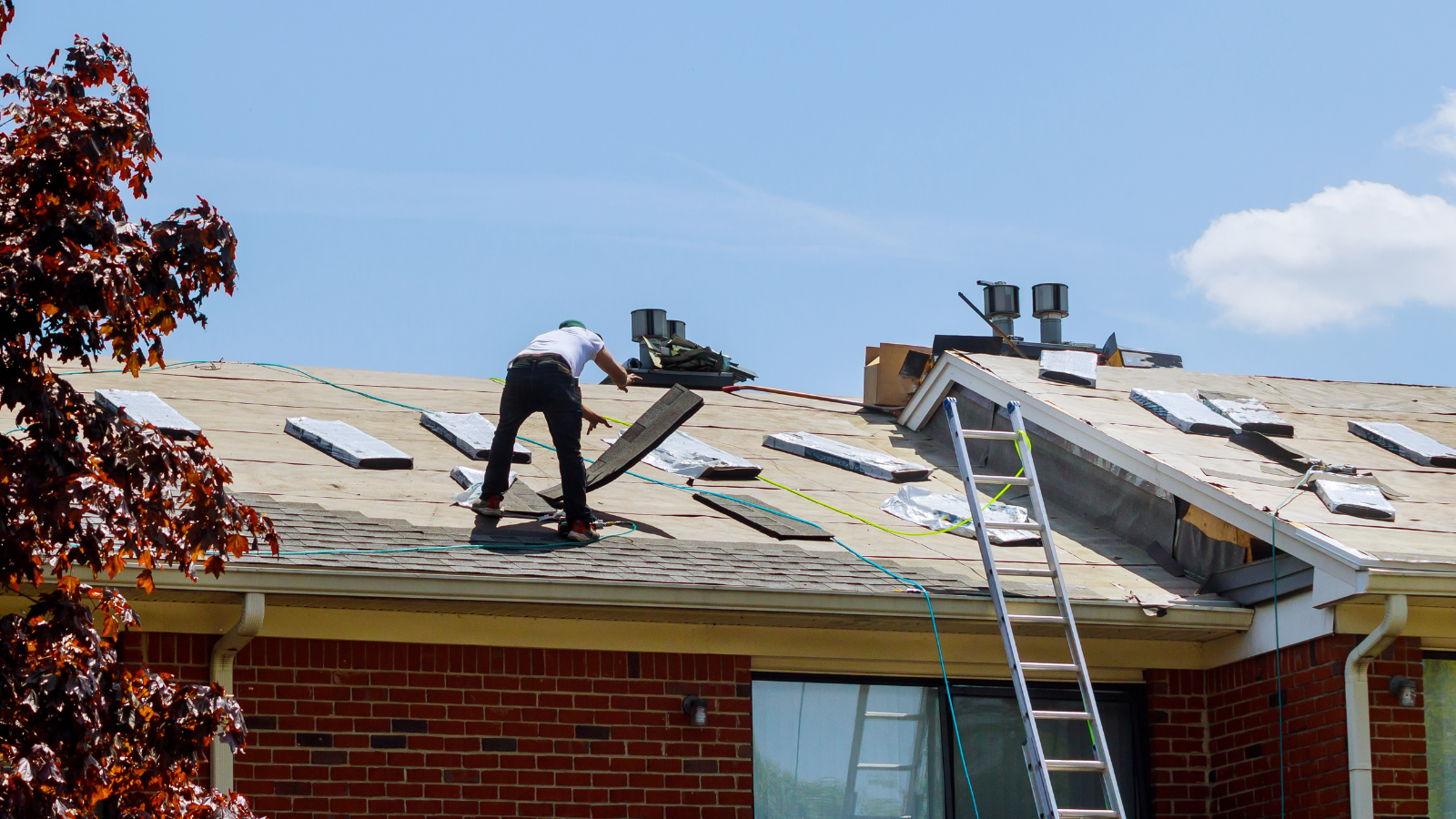
When a severe storm hits northern Indiana or southern Michigan, roofing damage does not always happen during normal business hours. High winds can tear shingles loose late at night. Heavy rain can expose a leak early in the morning. A falling branch can puncture a roof during a weekend thunderstorm. When your home is suddenly vulnerable to water and weather, waiting until the next business day may allow a manageable roofing problem to become much more serious.
This is where 24 hour emergency roofing becomes especially important.
Emergency roofing service is not simply about completing permanent repairs immediately. In many situations, the first priority is controlling the damage, protecting exposed areas, identifying immediate hazards, and preventing additional moisture from reaching the interior of the home.
For homeowners in Elkhart, Bristol, Goshen, Granger, Howe, La Porte, LaGrange, Ligonier, Michigan City, Middlebury, Mishawaka, Nappanee, Shipshewana, South Bend, Wakarusa, Fort Wayne, Edwardsburg, Kalamazoo, Niles, and Rochester, fast access to professional roofing assistance can provide valuable protection when severe weather strikes.
At Elkhart County Roofing, we understand that roofing emergencies do not follow a convenient schedule. This guide explains why immediate response matters, what qualifies as a roofing emergency, what homeowners should do after storm damage, and how professional emergency service can help protect your home.
Why Roofing Emergencies Require Fast Attention
A roof acts as the primary weather barrier for your home.
When that barrier is compromised, rain and moisture may begin reaching materials that were never designed for repeated water exposure.
A damaged roof may affect:
- Roof decking
- Attic insulation
- Rafters
- Drywall
- Ceilings
- Electrical components
- Interior finishes
- Furniture and belongings
Even a relatively small opening can allow significant water intrusion during prolonged rainfall.
Access to 24 hour emergency roofing allows homeowners to begin protecting the property as soon as serious damage is discovered.
The goal is not always to complete the full restoration during the storm. Instead, emergency service focuses on stabilizing the situation until permanent repairs can be safely completed.
What Counts as a Roofing Emergency?
Not every roofing problem requires an immediate response.
A few worn shingles or minor cosmetic concerns may be addressed through a normally scheduled inspection. Other situations require much faster action.
Common roofing emergencies include:
- A tree or large branch falling onto the roof
- Significant sections of shingles being removed
- Active water entering the home
- Large roof punctures
- Structural sagging
- Damaged roof decking
- Major flashing failure
- Severe wind damage
- Storm damaged skylights
- Large areas of exposed underlayment
- Roofing materials hanging from the structure
If water is actively entering your home or you suspect structural instability, professional assistance should be requested promptly.
Why 24 Hour Availability Makes a Difference
Weather does not stop because roofing offices are closed.
A thunderstorm can strike at midnight. Wind damage may occur on a holiday. Heavy rain may expose a roofing weakness early Sunday morning.
Without emergency availability, homeowners may have to wait several hours or longer before professional help becomes available.
During that delay, rain may continue entering exposed areas.
Professional 24 hour emergency roofing gives homeowners a way to respond when the problem begins rather than waiting for a convenient appointment.
Early response may help limit:
- Water intrusion
- Insulation damage
- Interior staining
- Mold risk
- Decking deterioration
- Damage to belongings
- Structural concerns
The sooner a damaged area is protected, the better the chance of limiting secondary damage.
Northern Indiana Weather Can Change Quickly
Homes throughout Elkhart County and surrounding communities experience changing weather throughout the year.
Potential roofing threats include:
- Severe thunderstorms
- Strong straight line winds
- Hail
- Heavy rain
- Snow
- Ice
- Falling branches
- Sudden temperature changes
Storm systems can develop quickly, and damage may occur even when homeowners have prepared carefully.
For example, high winds can lift shingles and expose underlayment. Rain that follows the wind may then enter the roofing system.
Having access to 24 hour emergency roofing provides an important option when storm damage develops outside normal service hours.
Wind Damage Can Create Immediate Problems
High winds are capable of damaging a roof in several ways.
Wind may:
- Lift shingles
- Break adhesive seals
- Remove ridge caps
- Damage flashing
- Pull gutters away from fascia
- Loosen vents
- Carry debris onto the roof
Sometimes the damage is obvious. Entire sections of shingles may be missing.
Other times, the problem is more subtle.
A shingle may lift during the storm and settle back into place afterward. However, its adhesive seal may already be broken.
If rain continues, water may enter beneath the roofing material.
Fast professional evaluation helps determine whether temporary protection is necessary.
Heavy Rain Can Quickly Turn Damage Into a Leak
Roofing materials are designed to shed water when the system is intact.
When shingles, flashing, vents, or roof edges are damaged, heavy rain can find openings quickly.
Water may enter around:
- Chimneys
- Plumbing vents
- Skylights
- Roof valleys
- Sidewalls
- Missing shingles
- Damaged flashing
Once moisture enters the system, it may travel along roof decking or framing before becoming visible inside.
That means the ceiling stain you see may not be directly beneath the original entry point.
Professional 24 hour emergency roofing can help identify where water is entering and provide temporary protection until permanent repairs are possible.
Hail Damage May Require Immediate Evaluation
Hail can affect asphalt shingles, metal roofing, vents, gutters, flashing, and other exterior components.
Hail impacts may cause:
- Granule loss
- Shingle bruising
- Cracking
- Dents
- Damaged vents
- Broken skylights
- Damaged flashing
Some hail damage does not create an immediate leak.
However, severe hail can puncture or weaken roofing materials enough to make them vulnerable during continuing rainfall.
If a storm produces large hail and you notice interior moisture or visible exterior damage, an emergency evaluation may be appropriate.
Fallen Trees and Branches Are Serious Roofing Emergencies
A large tree branch can cause significant roof damage in seconds.
Impact may result in:
- Broken shingles
- Punctured decking
- Damaged rafters
- Crushed gutters
- Structural movement
- Open sections of roofing
If a tree or large branch has fallen onto your home, avoid entering areas directly beneath the damage if structural safety is uncertain.
Do not climb onto the roof to move the branch yourself.
A professional contractor can evaluate the roofing damage, while a qualified tree service may be needed to remove large or dangerous debris.
This type of situation demonstrates why access to 24 hour emergency roofing can be so valuable after severe weather.
Emergency Service Helps Prevent Secondary Water Damage
The initial roof damage is only part of the concern.
Secondary damage can develop when water continues entering the property.
Moisture may affect:
- Ceiling drywall
- Wall insulation
- Flooring
- Paint
- Trim
- Furniture
- Personal belongings
Water can also reach electrical fixtures or wiring.
The longer the home remains exposed, the greater the potential for additional problems.
Emergency roofing service focuses on reducing this exposure.
Temporary protection may help keep additional rain outside until weather conditions allow for a full repair.
What Happens During an Emergency Roof Response?
Every roofing emergency is different, but the response generally begins with evaluating immediate safety and damage.
A roofing professional may inspect:
- Visible roof openings
- Missing materials
- Damaged shingles
- Roof decking
- Flashing
- Vents
- Gutters
- Chimneys
- Skylights
- Roof valleys
The contractor may also examine the attic or interior when appropriate.
Once the most vulnerable areas are identified, temporary repairs may be completed.
This is an important part of 24 hour emergency roofing because permanent repairs may not always be possible immediately.
Temporary Roof Protection
Emergency roofing often involves temporary measures designed to reduce further water entry.
These may include:
- Securing a tarp
- Covering an exposed section
- Temporarily sealing a damaged penetration
- Stabilizing loose materials
- Protecting damaged roof edges
Temporary repairs are not intended to replace proper long term restoration.
Their purpose is to keep the situation from getting worse until safe working conditions and appropriate materials are available.
A professional contractor should explain what is temporary and what permanent work will still be required.
Why DIY Emergency Repairs Can Be Dangerous
Homeowners naturally want to protect their homes when damage occurs.
However, climbing onto a roof during or shortly after a storm can be extremely dangerous.
The roof may be:
- Wet
- Slippery
- Covered with loose debris
- Structurally weakened
- Missing roofing materials
High winds may also continue after the main storm passes.
Attempting to install a tarp without proper equipment can result in serious injury.
One of the advantages of calling a provider of 24 hour emergency roofing is that trained professionals can evaluate the situation using appropriate safety procedures.
What Homeowners Should Do During an Active Roof Leak
If water begins entering your home, your first priority should be personal safety.
When it is safe, homeowners can take several steps indoors.
Move Belongings
Move furniture, electronics, and valuables away from the affected area.
Contain Water
Buckets or containers can help collect dripping water.
Protect Floors
Use towels or waterproof coverings where practical.
Photograph Visible Damage
Document interior water stains and damaged belongings when it is safe.
Stay Away From Electrical Hazards
If water is near electrical fixtures, outlets, or wiring, avoid touching the area.
Contact a Roofing Professional
Call for an emergency evaluation when active roofing damage is allowing water into the home.
Do not climb onto the roof during the storm.
Interior Warning Signs After a Storm
Some homeowners do not immediately realize their roof has been damaged.
After severe weather, watch for:
- Water stains on ceilings
- Bubbling paint
- Damp walls
- Musty smells
- Wet insulation
- Discolored drywall
- Water near light fixtures
- Damp attic wood
These signs may indicate that water has already entered the roofing system.
Calling for 24 hour emergency roofing is appropriate when moisture intrusion is active or substantial.
Why Waiting Can Increase Repair Costs
A small roof opening may seem manageable when only a few drops of water are entering.
However, moisture can spread farther than homeowners realize.
Water may travel through:
- Roofing material
- Underlayment
- Roof decking
- Rafters
- Insulation
- Ceiling materials
By the time the leak becomes obvious, several building components may be affected.
Fast temporary protection can help reduce the amount of material that needs repair later.
Protecting Roof Decking
Roof decking provides the structural surface beneath the roofing materials.
Repeated moisture exposure can cause decking to:
- Swell
- Soften
- Rot
- Delaminate
- Lose fastener strength
If damaged decking becomes extensive, repairs may become more complicated and expensive.
Prompt emergency response can help protect decking by limiting continued water exposure.
Protecting Attic Insulation
Insulation helps regulate indoor temperature and energy efficiency.
When insulation becomes wet, its performance may decline.
Moisture may also create conditions that support mold growth.
A roof leak that continues for hours during heavy rainfall can affect a substantial area of attic insulation.
This is another reason why 24 hour emergency roofing can help reduce secondary problems after storm damage.
Emergency Roofing and Mold Prevention
Mold requires moisture to grow.
A roofing leak does not automatically mean mold will develop, but prolonged damp conditions create a more favorable environment for microbial growth.
Potential areas of concern include:
- Wet wood
- Insulation
- Drywall
- Attic surfaces
The first step is stopping the source of water.
Fast roof stabilization can help prevent additional moisture from entering while affected interior materials are evaluated.
Damage Around Chimneys
Chimneys are frequent sources of storm related leaks.
Wind may loosen flashing, while hail can damage sealants and exposed materials.
Water can then enter where the chimney intersects with the roof.
Because water may travel along framing, the resulting ceiling stain may appear away from the chimney itself.
Professional inspection is often necessary to locate the true source.
Skylight Damage
Skylights are designed to withstand weather, but severe storms may damage:
- Glass
- Frames
- Flashing
- Seals
A broken skylight can allow significant amounts of water into the home.
Emergency covering may be necessary until the skylight or surrounding roofing system can be properly repaired.
Roof Vent Damage
Roof vents may be cracked, loosened, or removed during severe wind or hail.
Damage around vents can create openings for rain.
Because vents penetrate the roofing system, even small gaps can lead to leaks.
A 24 hour emergency roofing provider can inspect these vulnerable areas during an emergency assessment.
Damaged Flashing
Flashing helps direct water away from roof intersections and penetrations.
Storms may bend or loosen flashing around:
- Chimneys
- Walls
- Valleys
- Skylights
- Roof edges
- Plumbing vents
When flashing is compromised, water may move underneath roofing materials.
Temporary protection may be used during an emergency, but damaged flashing typically requires proper repair or replacement afterward.
When Structural Damage Is Suspected
Some roofing emergencies involve more than damaged shingles.
A fallen tree or major impact can affect:
- Roof decking
- Rafters
- Trusses
- Walls
- Ceilings
Warning signs may include:
- Visible sagging
- Cracking sounds
- Large roof depressions
- Damaged framing
- Significant ceiling movement
If you suspect structural damage, keep people away from the affected area and seek professional assistance.
Severe structural concerns may require emergency services beyond roofing assistance.
Emergency Roofing After Snow and Ice
Roofing emergencies are not limited to thunderstorms.
Winter weather can create problems including:
- Ice dams
- Heavy snow accumulation
- Damaged flashing
- Frozen gutters
- Roof leaks
Ice dams form when melted snow refreezes near the roof edge and traps additional water behind it.
This water may move beneath shingles and into the home.
Attempting to remove large amounts of ice from the roof yourself can damage roofing materials and create safety hazards.
Professional evaluation is the safer approach.
How Emergency Response Supports Permanent Repairs
Emergency service is usually the first stage of restoration.
Once the roof is stabilized and weather conditions improve, the contractor can conduct a more complete evaluation.
Permanent repairs may include:
- Replacing shingles
- Repairing flashing
- Replacing underlayment
- Repairing decking
- Replacing vents
- Repairing gutters
- Replacing damaged roof sections
In severe cases, complete roof replacement may be recommended.
The emergency response helps protect the home until this work can be planned appropriately.
Repair or Replacement After a Storm
Not every roofing emergency leads to full replacement.
Repair may be appropriate when:
- Damage is isolated
- The rest of the roof remains in good condition
- Decking is sound
- Matching materials are available
Replacement may be considered when:
- Damage is widespread
- Multiple sections are compromised
- The roof is already significantly aged
- Extensive decking damage exists
- Previous repairs are failing
A roofing professional should explain the condition of the system and why a particular solution is recommended.
Documentation After Storm Damage
Documenting damage can be useful for your records.
When it is safe, take photographs of:
- Interior leaks
- Ceiling stains
- Fallen branches
- Missing shingles visible from the ground
- Damaged siding
- Gutter damage
- Debris
Professional contractors may also photograph rooftop conditions during inspections.
Keeping clear records can help homeowners track what happened and which repairs were completed.
Emergency Roofing and Insurance Claims
Depending on your homeowners insurance policy, certain types of sudden storm damage may be covered.
Coverage varies according to:
- Policy terms
- Cause of damage
- Deductible
- Roof age
- Exclusions
- Maintenance history
- Filing requirements
Homeowners should contact their insurance provider directly for coverage information.
A roofing contractor may provide inspection findings, photographs, and repair estimates, but the insurance company determines whether a claim is covered.
A reputable contractor should not guarantee insurance approval.
Why Local Emergency Roofing Matters
After widespread storms, roofing companies may become extremely busy.
A local contractor already familiar with the surrounding communities can provide important regional knowledge.
Local roofing professionals understand common weather issues affecting homes throughout Elkhart County and surrounding areas.
They are familiar with:
- Regional roofing materials
- Local housing styles
- Weather patterns
- Common storm damage
- Local building requirements
Choosing local 24 hour emergency roofing also gives homeowners a contractor they can contact later for inspections, repairs, warranties, and maintenance.
Avoiding Storm Chasers
Major storms can attract contractors from outside the area.
Not every traveling contractor provides poor work, but homeowners should verify any company before signing an agreement.
Watch for concerns such as:
- High pressure sales tactics
- No established local presence
- Unclear warranties
- No written estimate
- Requests for unusually large upfront payments
- Difficulty verifying insurance
- Limited local references
A local contractor has an ongoing reputation within the community and is more likely to remain available for future service.
What to Look for in an Emergency Roofing Contractor
When selecting an emergency roofing company, look for:
- Appropriate insurance
- Local experience
- Clear communication
- Written repair information
- Detailed inspections
- Safety procedures
- Quality materials
- Warranty information
- Professional cleanup
The contractor should be willing to explain what damage was discovered and which repairs are necessary.
Questions to Ask During an Emergency Roofing Call
When calling a contractor, provide as much information as you safely can.
Useful details include:
- Your location
- Whether water is actively entering
- Whether a tree struck the roof
- Whether shingles are missing
- Whether the roof appears to be sagging
- Whether there is interior ceiling damage
- Whether electrical fixtures are affected
These details can help the contractor understand the urgency of the situation.
How to Prepare Before the Next Storm
You cannot prevent every roofing emergency, but regular maintenance may reduce some risks.
Homeowners can:
- Keep gutters clean
- Trim overhanging branches
- Replace damaged shingles
- Maintain flashing
- Inspect attic ventilation
- Address small leaks promptly
- Schedule routine roof inspections
Knowing which local roofing company you would contact before severe weather occurs can also save valuable time during an emergency.
Why 24 Hour Service Provides Peace of Mind
A storm damaged roof can create uncertainty.
Homeowners may wonder:
- Is water getting into the attic?
- Will the damage get worse before morning?
- Is the roof safe?
- Can someone protect the opening tonight?
Knowing that 24 hour emergency roofing assistance is available means you do not necessarily have to wait until standard business hours to begin addressing an urgent roofing problem.
Professional evaluation can help determine whether immediate temporary protection is needed and what steps should follow.
Why Choose Elkhart County Roofing?
At Elkhart County Roofing, we understand how quickly severe weather can affect a home.
We serve homeowners throughout Elkhart, Bristol, Goshen, Granger, Howe, La Porte, LaGrange, Ligonier, Michigan City, Middlebury, Mishawaka, Nappanee, Shipshewana, South Bend, Wakarusa, Fort Wayne, Edwardsburg, Kalamazoo, Niles, and Rochester.
Our team focuses on professional roofing inspections, repairs, replacement, storm damage restoration, and dependable service designed around the needs of local homeowners.
When roofing damage requires urgent attention, access to 24 hour emergency roofing can help protect your property while the appropriate permanent solution is determined.
We believe homeowners deserve clear communication about what has happened, what needs immediate attention, and what work may be required once the emergency has been stabilized.
Final Thoughts
Severe weather does not follow business hours, and roofing emergencies can happen at any time.
High winds, hail, heavy rain, fallen branches, snow, and ice can damage roofing systems suddenly and expose homes to moisture.
The value of 24 hour emergency roofing is the ability to respond when that exposure begins.
Quick professional assistance may help stabilize damaged areas, limit additional water intrusion, protect roof decking and insulation, and reduce the likelihood of secondary interior damage.
Homeowners should never risk personal safety by climbing onto a wet or storm damaged roof. Instead, inspect what you can safely from the ground, protect belongings indoors, stay away from electrical hazards, and call an experienced roofing professional when immediate assistance is necessary.
Professional 24 hour emergency roofing is particularly important when you have active leaks, major missing roofing materials, tree impact, damaged skylights, structural concerns, or large exposed roof sections.
If severe weather damages your roof, contact Elkhart County Roofing for professional 24 hour emergency roofing assistance. Our team can evaluate the damage, help protect vulnerable areas, and recommend the appropriate next steps for restoring your roofing system and protecting your home.
