
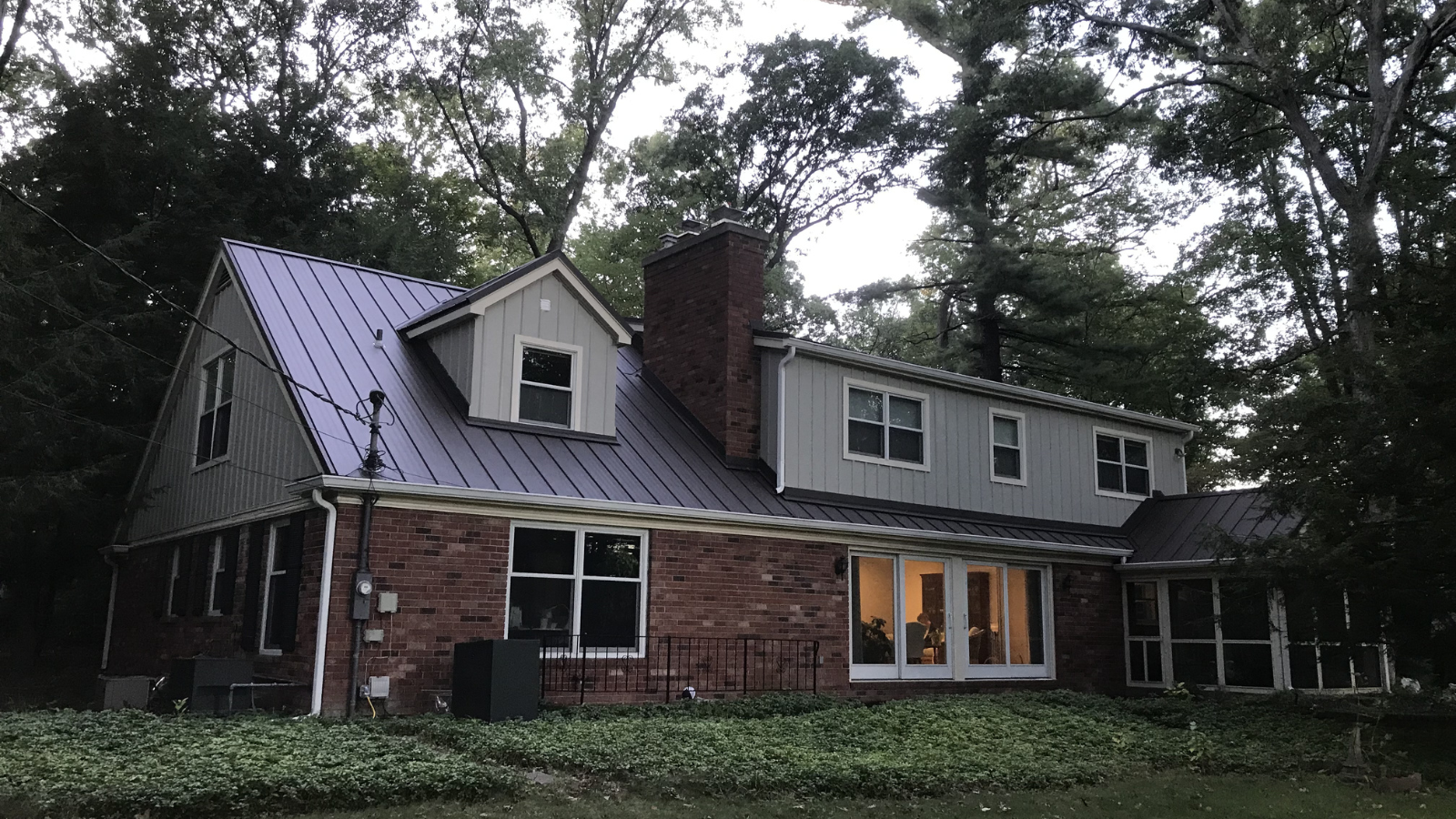
Choosing a new roof is one of the most important decisions you will make as a homeowner. Your roof protects your family, belongings, insulation, walls, ceilings, and structural components from the changing weather conditions common throughout northern Indiana and nearby Michigan communities.
A roof must handle heavy rain, strong wind, hail, summer humidity, freezing temperatures, snow accumulation, and repeated freeze and thaw cycles. Because every roofing material performs differently, choosing the right option requires more than comparing prices or selecting a color that looks attractive.
The right roofing material should match your home’s architecture, your budget, your maintenance expectations, and your long term plans. It should also provide dependable protection against local weather while improving curb appeal and property value.
At Elkhart County Roofing, we help homeowners throughout Elkhart, Bristol, Goshen, Granger, Howe, La Porte, LaGrange, Ligonier, Michigan City, Middlebury, Mishawaka, Nappanee, Shipshewana, South Bend, Wakarusa, Fort Wayne, Edwardsburg, Kalamazoo, Niles, and Rochester compare roofing options and choose systems suited to local conditions.
Why Roofing Material Selection Matters
Many homeowners think of a roof as a simple layer of shingles or panels. In reality, a roof is a complete protective system made up of several components.
These components may include:
- Roof decking
- Underlayment
- Ice and water barriers
- Drip edges
- Flashing
- Starter shingles
- Ridge caps
- Fasteners
- Intake ventilation
- Exhaust ventilation
- Gutters and drainage systems
Each part must work together to keep water out, control moisture, improve airflow, and protect the structure beneath the roof.
Your roofing material selection affects:
- Expected service life
- Resistance to wind
- Protection against hail
- Winter weather performance
- Maintenance requirements
- Energy efficiency
- Home value
- Insurance considerations
- Curb appeal
- Replacement frequency
- Overall project cost
Choosing carefully can help prevent leaks, damaged decking, mold growth, poor attic ventilation, and expensive interior repairs.
Understanding the Elkhart, Indiana Climate
Before choosing roofing materials, homeowners should consider the regional climate.
Homes throughout northern Indiana experience a wide range of weather conditions, including:
- Heavy spring rain
- Hot and humid summers
- Severe thunderstorms
- Strong straight line winds
- Hail
- Freezing winter temperatures
- Heavy snow
- Ice buildup
- Rapid temperature changes
- Repeated freeze and thaw cycles
Communities closer to Lake Michigan, such as Michigan City and La Porte, may also experience stronger winds, higher moisture levels, and lake effect snow.
These conditions can cause roofing materials to expand, contract, crack, loosen, corrode, or lose protective granules over time.
A roof that performs well in a mild climate may not provide the same results in Elkhart County. Local weather resistance should always be part of your roofing material selection.
Questions to Ask Before Choosing a Roofing Material
Every homeowner has different priorities. Before comparing specific products, consider the following questions:
- How long do you plan to remain in the home?
- What is your realistic project budget?
- How much maintenance are you willing to handle?
- Has your home experienced hail or wind damage?
- Is energy efficiency important to you?
- What roofing materials match the home’s architecture?
- Does your neighborhood have appearance requirements?
- Are there steep or low slope sections?
- How important is resale value?
- What type of warranty do you expect?
- Do you want a roof that may last for several decades?
Answering these questions can help narrow your options and prevent you from choosing a material based only on price or appearance.
Asphalt Shingles
Asphalt shingles remain one of the most popular residential roofing materials in Indiana.
They are widely used because they offer a practical combination of affordability, appearance, availability, and dependable performance.
Common advantages include:
- Lower initial cost
- Wide range of colors
- Multiple textures and profiles
- Compatibility with many home styles
- Easy availability
- Straightforward repairs
- Established manufacturer warranties
Standard asphalt shingles commonly last around 20 to 25 years. Their actual service life depends on product quality, installation, attic ventilation, maintenance, and weather exposure.
For homeowners focused on affordability, asphalt shingles may be a sensible roofing material selection.
However, lower priced shingles may be more vulnerable to hail, strong wind, and temperature changes. Homeowners should compare product ratings rather than automatically choosing the least expensive option.
Three Tab Shingles
Three tab shingles are a traditional and economical asphalt roofing option.
They have a flat, uniform appearance and are generally lighter than architectural shingles.
Potential benefits include:
- Affordable installation
- Simple appearance
- Common availability
- Suitability for basic residential projects
Three tab shingles usually have a shorter expected lifespan than architectural shingles. They may also provide lower wind resistance and less visual depth.
This type of roofing may still be appropriate for detached garages, rental properties, smaller homes, or projects with a limited budget.
Architectural Shingles
Architectural shingles are thicker and more dimensional than standard three tab products.
They are manufactured with multiple layers that create depth, texture, and greater durability. Many designs resemble natural wood shake or slate without the same cost or maintenance requirements.
Benefits may include:
- Better wind resistance
- Greater thickness
- Longer service life
- Improved curb appeal
- Stronger warranty options
- More color choices
- Better overall appearance
Architectural shingles commonly last 25 to 35 years when properly installed and maintained.
For many northern Indiana homeowners, architectural shingles offer an excellent balance of cost, performance, durability, and visual appeal.
This makes them one of the most common roofing material selection options for roof replacement projects.
Impact Resistant Shingles
Hail can cause both visible and hidden damage to roofing materials.
Impact resistant shingles are designed to perform better when struck by hailstones, tree debris, or other wind driven objects.
Many of these products carry a Class 4 impact rating, which is one of the highest ratings available for residential asphalt shingles.
Potential advantages include:
- Reduced cracking
- Better resistance to bruising
- Lower risk of granule loss
- Improved storm performance
- Possible insurance benefits
Insurance discounts are not guaranteed, so homeowners should speak with their provider before selecting a product.
Impact resistant shingles may cost more than standard shingles, but they can be a smart roofing material selection for homes in areas that experience frequent storms.
Metal Roofing
Metal roofing has become increasingly popular throughout Indiana because of its durability, long service life, and ability to perform well in severe weather.
A properly installed metal roof may last 40 to 70 years or longer, depending on the product, protective coating, installation method, and maintenance.
Common advantages include:
- Long expected lifespan
- Strong wind resistance
- Fire resistance
- Efficient rain and snow shedding
- Low maintenance
- Resistance to mold and insects
- Reflective energy efficient finishes
- Modern and traditional style options
Metal roofing typically requires a higher initial investment than asphalt shingles. However, its longer lifespan may reduce the number of roof replacements needed over time.
For homeowners planning to stay in their properties for many years, metal roofing may provide strong long term value.
Standing Seam Metal Roofing
Standing seam metal roofing features long vertical panels connected by raised seams.
The fasteners are concealed beneath the roofing system, which reduces their exposure to rain, snow, ice, and sunlight.
Advantages may include:
- Clean and modern appearance
- Reduced leak potential
- Fewer exposed fasteners
- Strong wind resistance
- Long service life
- Efficient snow shedding
- Low maintenance needs
Standing seam roofing can work well on modern homes, farmhouses, cabins, and certain traditional properties.
Because metal naturally expands and contracts as temperatures change, proper installation is essential. Panels, clips, flashing, and seams must allow controlled movement without damaging the system.
For homeowners who prioritize durability, standing seam metal may be an excellent roofing material selection.
Exposed Fastener Metal Roofing
Exposed fastener roofing uses screws that pass directly through the metal panels and into the roof structure.
This system is generally more affordable than standing seam roofing and is commonly used on barns, garages, workshops, agricultural buildings, and some homes.
Advantages may include:
- Lower cost than standing seam metal
- Fast installation
- Strong weather resistance
- Long service life when properly maintained
The main concern is that fasteners and washers remain exposed to the weather. Over time, sealants and washers may loosen, deteriorate, or require replacement.
Homeowners considering this option should understand its inspection and maintenance requirements.
Steel Roofing
Steel is one of the most common metals used for residential roofing.
It is usually protected with galvanized or Galvalume coatings, along with painted finishes that help resist corrosion, fading, and weather exposure.
Benefits include:
- High strength
- Wide color selection
- Strong wind performance
- Good hail resistance
- Long lifespan
- Competitive cost compared with other metals
The quality of the protective coating matters. Scratches, cut edges, incorrect fasteners, and poor installation can increase the risk of corrosion.
Aluminum Roofing
Aluminum naturally resists corrosion and is lighter than many other roofing metals.
It is often used in coastal areas, but it may also work well in humid or moisture prone environments.
Benefits may include:
- Excellent corrosion resistance
- Lightweight construction
- Long service life
- Reflective energy performance
Aluminum is softer than steel, so severe hail may cause cosmetic dents.
Copper Roofing
Copper is a premium roofing material known for its appearance and exceptional longevity.
Over time, copper develops a natural patina that protects the surface and gives the roof a distinctive look.
Benefits include:
- Lifespan that may exceed 100 years
- Elegant appearance
- Strong corrosion resistance
- Low maintenance
- High resale appeal
Copper is considerably more expensive than asphalt or steel roofing. It is often used on porches, bay windows, dormers, cupolas, or luxury homes rather than across an entire residential roof.
Cedar Shake Roofing
Cedar shake roofing provides a natural, textured appearance.
It often complements historic homes, cottages, cabins, craftsman properties, and rustic architecture.
Advantages may include:
- Natural beauty
- Strong visual character
- Insulating properties
- Premium curb appeal
Cedar requires more maintenance than asphalt or metal roofing.
Potential concerns include:
- Moss growth
- Algae
- Moisture absorption
- Insect activity
- Splitting
- Curling
- Fire resistance
- Need for periodic treatment
Homes surrounded by mature trees may experience additional moisture and debris buildup.
Cedar can be a beautiful roofing material selection, but it is best suited to homeowners who are prepared for ongoing care.
Slate Roofing
Slate is one of the longest lasting roofing materials available.
A properly installed slate roof may last 75 to more than 100 years. Some historic slate roofs continue to perform well after more than a century.
Benefits include:
- Exceptional longevity
- Natural appearance
- Fire resistance
- Resistance to fading
- Strong weather performance
Slate is also one of the heaviest roofing materials. Before installation, the home may need a structural evaluation to confirm that the framing can support the additional weight.
Slate is expensive and should be installed and repaired by contractors familiar with the material.
For historic or high value homes, slate may provide outstanding long term performance.
Synthetic Slate and Shake Roofing
Synthetic roofing products are manufactured to resemble natural slate, cedar shake, tile, or other premium materials.
They may be made from polymers, rubber, recycled materials, or composite blends.
Potential advantages include:
- Lower weight than natural slate
- Reduced maintenance
- Resistance to moisture
- Strong impact ratings
- Consistent appearance
- Wide variety of styles
Product quality varies by manufacturer. Homeowners should review testing, warranties, wind ratings, fire ratings, and installation requirements.
A high quality synthetic product may be a practical roofing material selection for homeowners who want a premium appearance without the weight or maintenance of natural materials.
Clay and Concrete Tile Roofing
Clay and concrete tile roofs are more common in warmer climates, but they may appear on custom or Mediterranean style homes in Indiana.
Benefits include:
- Long service life
- Fire resistance
- Distinctive appearance
- Resistance to insects and rot
Important considerations include:
- Heavy weight
- Possible structural reinforcement
- Higher installation cost
- Potential cracking
- Freeze and thaw performance
Any tile used in northern Indiana should be rated for colder climates.
Homeowners interested in tile should work with a contractor who understands both structural requirements and local winter conditions.
Roofing Materials for Flat and Low Slope Areas
Some homes include porches, additions, garages, sunrooms, or modern sections with low roof slopes.
Traditional shingles may not provide enough protection on these areas because water drains more slowly.
Common low slope roofing systems include:
- EPDM
- TPO
- PVC
- Modified bitumen
EPDM Roofing
EPDM is a durable rubber membrane commonly used on flat and low slope roofs.
Advantages may include:
- Flexibility
- Proven performance
- Resistance to cold temperatures
- Straightforward repairs
TPO Roofing
TPO is a single ply membrane with a reflective surface.
Potential benefits include:
- Heat reflection
- Strong welded seams
- Moisture resistance
- Energy efficiency
PVC Roofing
PVC roofing offers durable welded seams, strong chemical resistance, and reflective performance.
Modified Bitumen Roofing
Modified bitumen combines asphalt with reinforcing materials. It may be installed in multiple layers for added waterproofing and durability.
The correct roofing material selection for a low slope area depends on drainage, insulation, foot traffic, roof design, and budget.
Matching Roofing Materials to Your Home Style
A roofing material should support the architectural character of your home.
Traditional Homes
Architectural shingles, slate, and synthetic slate often complement traditional residences.
Farmhouse Style Homes
Standing seam metal, black architectural shingles, and mixed roofing designs work well with farmhouse architecture.
Craftsman Homes
Dimensional shingles and synthetic shake can highlight craftsman details and natural exterior materials.
Historic Homes
Slate, cedar, or historically appropriate synthetic products may help preserve the original character of the property.
Modern Homes
Standing seam metal, flat roofing membranes, and clean shingle profiles often work well with contemporary architecture.
Thoughtful roofing material selection can improve curb appeal and create a more balanced exterior.
Choosing the Right Roof Color
Roof color has a major effect on the appearance of your home.
It should coordinate with:
- Siding
- Brick
- Stone
- Trim
- Shutters
- Doors
- Gutters
- Landscaping
Popular roofing colors in Indiana include charcoal, black, weathered wood, brown, gray, and blended earth tones.
Dark colors often create a classic appearance but may absorb more heat. Lighter colors may reflect more sunlight and reduce roof surface temperatures.
Homeowners should review full size samples outdoors before making a final decision. Roofing colors can look different in direct sunlight, shade, rain, or cloudy conditions.
Energy Efficiency and Roofing Materials
Your roof can influence attic temperatures, cooling costs, and indoor comfort.
Reflective roofing products may help reduce solar heat absorption during warm weather.
Potential energy efficient options include:
- Light colored metal roofing
- Reflective metal finishes
- Cool roof shingles
- Reflective low slope membranes
However, the roofing material is only one part of the energy system.
Attic insulation, air sealing, ventilation, roof color, and home construction also affect energy performance.
Energy efficiency should be included in roofing material selection, especially for homeowners concerned about high summer cooling costs or excessive attic heat.
Attic Ventilation
Proper attic ventilation helps regulate heat and moisture.
A balanced ventilation system typically includes intake vents near the roof edge and exhaust vents near the ridge or upper roof area.
Poor ventilation may contribute to:
- Excessive attic heat
- Condensation
- Mold growth
- Damaged insulation
- Wood deterioration
- Ice dams
- Premature shingle aging
Even premium roofing materials may fail early when attic airflow is inadequate.
A professional roof inspection should include an evaluation of the ventilation system.
Ice and Water Protection
Northern Indiana winters can bring snow, ice, freezing rain, and repeated freeze and thaw cycles.
Ice dams may form when heat from the attic melts snow on the roof. The meltwater can refreeze near the colder roof edge, creating a barrier that forces water beneath shingles.
Ice and water barriers help protect vulnerable areas such as:
- Roof edges
- Valleys
- Chimneys
- Skylights
- Sidewalls
- Roof penetrations
The type and placement of these protective membranes should be considered as part of the complete roofing system.
Wind Resistance
Strong winds can lift shingles, loosen flashing, damage roof edges, and expose the roof decking.
Materials with strong wind ratings may include:
- Architectural shingles
- Impact resistant shingles
- Standing seam metal
- Synthetic roofing
- Properly installed slate
Product ratings alone do not guarantee performance.
Fastener placement, starter strips, edge protection, flashing, roof shape, and installation quality all influence wind resistance.
Homeowners should ask how each roofing system is secured and whether the installation meets local building requirements.
Hail Resistance
Hail can create cracks, bruises, dents, granule loss, and punctures.
Class 4 impact resistant shingles are designed to perform well in standardized impact testing.
Metal roofing also provides strong protection, although cosmetic dents may occur during severe storms. Certain synthetic materials may offer excellent impact resistance.
No roofing material is completely hail proof.
After a severe storm, a professional inspection can identify damage that may not be visible from the ground.
Hail resistance should be an important part of roofing material selection throughout northern Indiana.
Snow Performance
Heavy snow creates added weight and moisture exposure.
Metal roofing sheds snow efficiently, while steeper asphalt, slate, and synthetic roofs can also provide dependable drainage.
Roof slope, insulation, ventilation, flashing, and structural capacity all affect winter performance.
Homes near Michigan City, La Porte, Edwardsburg, Niles, and Kalamazoo may experience additional lake effect snow, making winter durability especially important.
Fire Resistance
Roofing materials are assigned fire ratings based on their performance.
Class A provides the highest level of protection.
Materials commonly associated with strong fire resistance include:
- Metal
- Slate
- Clay tile
- Concrete tile
- Many fiberglass asphalt shingles
Untreated wood shake may have a lower fire rating.
Fire performance may affect insurance, local code requirements, and overall home safety.
Maintenance Requirements
Every roofing material requires some level of maintenance.
Asphalt Shingles
Inspect for:
- Missing shingles
- Cracks
- Granule loss
- Loose flashing
- Moss or algae
- Sealant failure
Metal Roofing
Inspect for:
- Loose fasteners
- Sealant wear
- Scratches
- Corrosion
- Debris buildup
- Damaged flashing
Cedar Shake Roofing
Inspect for:
- Moss
- Moisture damage
- Splitting
- Curling
- Insects
- Treatment needs
Slate and Tile Roofing
Inspect for:
- Broken pieces
- Loose tiles
- Damaged flashing
- Improper previous repairs
Homeowners should consider the amount of care required before making a roofing material selection.
Comparing Roofing Lifespans
Approximate residential roofing lifespans include:
- Three tab shingles: 15 to 25 years
- Architectural shingles: 25 to 35 years
- Impact resistant shingles: 25 to 40 years
- Metal roofing: 40 to 70 years or longer
- Cedar shake: 30 to 40 years
- Synthetic roofing: 40 to 50 years or longer
- Slate: 75 to more than 100 years
- Clay or concrete tile: 50 to 100 years
These figures are only estimates.
Actual performance depends on:
- Product quality
- Installation
- Weather exposure
- Ventilation
- Maintenance
- Roof slope
- Tree coverage
- Storm history
- Structural movement
Upfront Cost Versus Lifetime Value
The cheapest roofing system may not always be the most affordable over time.
A roof that lasts 20 years may require two or three replacements during the lifespan of a longer lasting metal or slate system.
When comparing estimates, consider:
- Initial cost
- Maintenance expenses
- Repair frequency
- Expected lifespan
- Energy savings
- Insurance considerations
- Warranty coverage
- Resale value
Careful roofing material selection should account for lifetime value, not only the first invoice.
Warranty Coverage
Most roofing projects may include two main types of warranties.
Manufacturer Warranty
This covers eligible defects in the roofing materials.
Workmanship Warranty
This covers certain problems related to installation.
Warranty terms vary by product and contractor.
Homeowners should ask about:
- Coverage period
- Prorated coverage
- Transferability
- Registration requirements
- Maintenance requirements
- Exclusions
- Wind and hail limitations
- Labor coverage
Some extended warranties require installation by a certified contractor and the use of a complete roofing system from one manufacturer.
Insurance Considerations
Roofing materials may affect insurance premiums, deductibles, coverage limits, and claim settlements.
Potential considerations include:
- Roof age
- Impact resistance
- Fire rating
- Cosmetic metal exclusions
- Replacement cost coverage
- Actual cash value coverage
- Wood shake restrictions
Before selecting a material, homeowners should contact their insurance provider and ask whether the product may affect coverage or eligibility for discounts.
Environmental Considerations
Some roofing materials offer environmental advantages.
Metal roofing often contains recycled content and may be recyclable at the end of its service life.
Certain asphalt shingles may be recycled for use in paving, depending on local programs.
Long lasting roofs reduce replacement frequency and may create less landfill waste over time.
Reflective roofing materials may also reduce heat absorption and support energy efficiency.
Environmental goals can be included in roofing material selection without sacrificing durability or appearance.
Homeowner Association and Local Requirements
Some neighborhoods have rules regarding:
- Roofing color
- Material
- Profile
- Reflectivity
- Appearance
- Approval procedures
Historic districts may have additional requirements.
Homeowners should review these rules before ordering materials.
Local permits and building codes may also influence underlayment, ventilation, ice barriers, fasteners, and installation methods.
Roof Complexity
The shape and design of your roof may affect which materials are practical.
Complex roofs may include:
- Multiple valleys
- Dormers
- Skylights
- Chimneys
- Steep slopes
- Turrets
- Low slope sections
- Numerous penetrations
Some premium materials require specialized flashing and additional labor around complex roof features.
A contractor should evaluate the entire roof before recommending a product.
Common Roofing Material Selection Mistakes
One common mistake is choosing a material based only on price.
Another is selecting a product because it looks attractive without reviewing maintenance, weather resistance, or structural requirements.
Other mistakes include:
- Ignoring roof slope
- Overlooking attic ventilation
- Forgetting insurance requirements
- Choosing a material that is too heavy for the structure
- Failing to review warranties
- Installing shingles on low slope areas
- Choosing colors from small indoor samples
- Hiring a contractor based only on the lowest estimate
Professional guidance helps homeowners avoid costly errors.
Signs You May Need Roof Replacement
Schedule a professional roof inspection if you notice:
- Missing shingles
- Curling or cracked shingles
- Extensive granule loss
- Rusted metal
- Loose panels
- Broken tiles
- Sagging areas
- Water stains
- Attic moisture
- Frequent leaks
- Repeated repairs
- Storm damage
- An aging roof
Waiting until a roof fails completely can lead to damaged insulation, ceilings, walls, flooring, and structural materials.
Why Professional Installation Matters
Even the best roofing product can fail when it is installed incorrectly.
Professional installation helps ensure:
- Proper underlayment
- Correct flashing
- Accurate fastener placement
- Balanced ventilation
- Effective drainage
- Building code compliance
- Manufacturer compliance
- Proper ice and water protection
Experienced roofers can also identify damaged decking, hidden leaks, rot, mold, and structural concerns before the new roof is installed.
Your roofing material selection is only as reliable as the workmanship supporting it.
Why Homeowners Choose Elkhart County Roofing
Choosing a new roof can feel complicated, but the process becomes easier with clear information and professional guidance.
Elkhart County Roofing helps homeowners compare materials based on:
- Roof condition
- Home architecture
- Budget
- Maintenance expectations
- Weather exposure
- Energy goals
- Storm history
- Long term plans
Our goal is to help homeowners make informed decisions without unnecessary pressure.
We proudly serve homeowners in Elkhart, Bristol, Goshen, Granger, Howe, La Porte, LaGrange, Ligonier, Michigan City, Middlebury, Mishawaka, Nappanee, Shipshewana, South Bend, Wakarusa, Fort Wayne, Edwardsburg, Kalamazoo, Niles, and Rochester.
Frequently Asked Questions About Roofing Materials
What Is the Most Affordable Roofing Material?
Standard asphalt shingles are usually the most affordable residential option. Architectural shingles cost more but may provide better durability, appearance, and warranty coverage.
Which Roofing Material Lasts the Longest?
Slate and copper may last more than 100 years. Metal roofing commonly lasts 40 to 70 years or longer.
Is Metal Roofing Worth the Cost?
Metal roofing may be a strong investment for homeowners planning to stay in their properties for many years. Its long service life, weather resistance, and reduced replacement frequency may offset the higher initial price.
What Roofing Material Is Best for Hail?
Class 4 impact resistant shingles, metal roofing, and many synthetic products provide strong hail performance. No roofing material is completely hail proof.
What Roofing Material Is Best for Heavy Snow?
Metal roofing sheds snow efficiently, while properly installed asphalt, slate, and synthetic systems can also perform well. Roof slope, ventilation, insulation, and structural capacity are equally important.
Can a New Roof Improve Home Value?
A professionally installed roof may improve curb appeal, buyer confidence, energy efficiency, and resale value.
Can New Shingles Be Installed Over Old Shingles?
Local codes may allow a second layer in certain situations. However, removing the existing roof allows contractors to inspect the decking, replace damaged materials, and install updated underlayment.
A complete tear off often provides better long term results.
How Do I Choose the Right Roof Color?
Consider your siding, brick, trim, gutters, landscaping, home style, and neighborhood. Review full size samples outdoors before making a final decision.
Final Thoughts
Choosing a new roof is one of the most important decisions you will make as a homeowner.
The right roof should provide dependable protection, complement your home, support energy efficiency, and fit your long term budget.
Careful roofing material selection means considering more than appearance or initial price. Homeowners should compare lifespan, storm resistance, maintenance, warranties, energy performance, structural requirements, and local weather conditions.
Whether you choose affordable asphalt shingles, durable architectural shingles, impact resistant products, long lasting metal roofing, natural cedar, synthetic roofing, or premium slate, the quality of the complete roofing system and installation will determine how well the roof performs.
We proudly serve Elkhart, Bristol, Goshen, Granger, Howe, La Porte, LaGrange, Ligonier, Michigan City, Middlebury, Mishawaka, Nappanee, Shipshewana, South Bend, Wakarusa, Fort Wayne, Edwardsburg, Kalamazoo, Niles, and Rochester with dependable roofing guidance and professional workmanship.
