
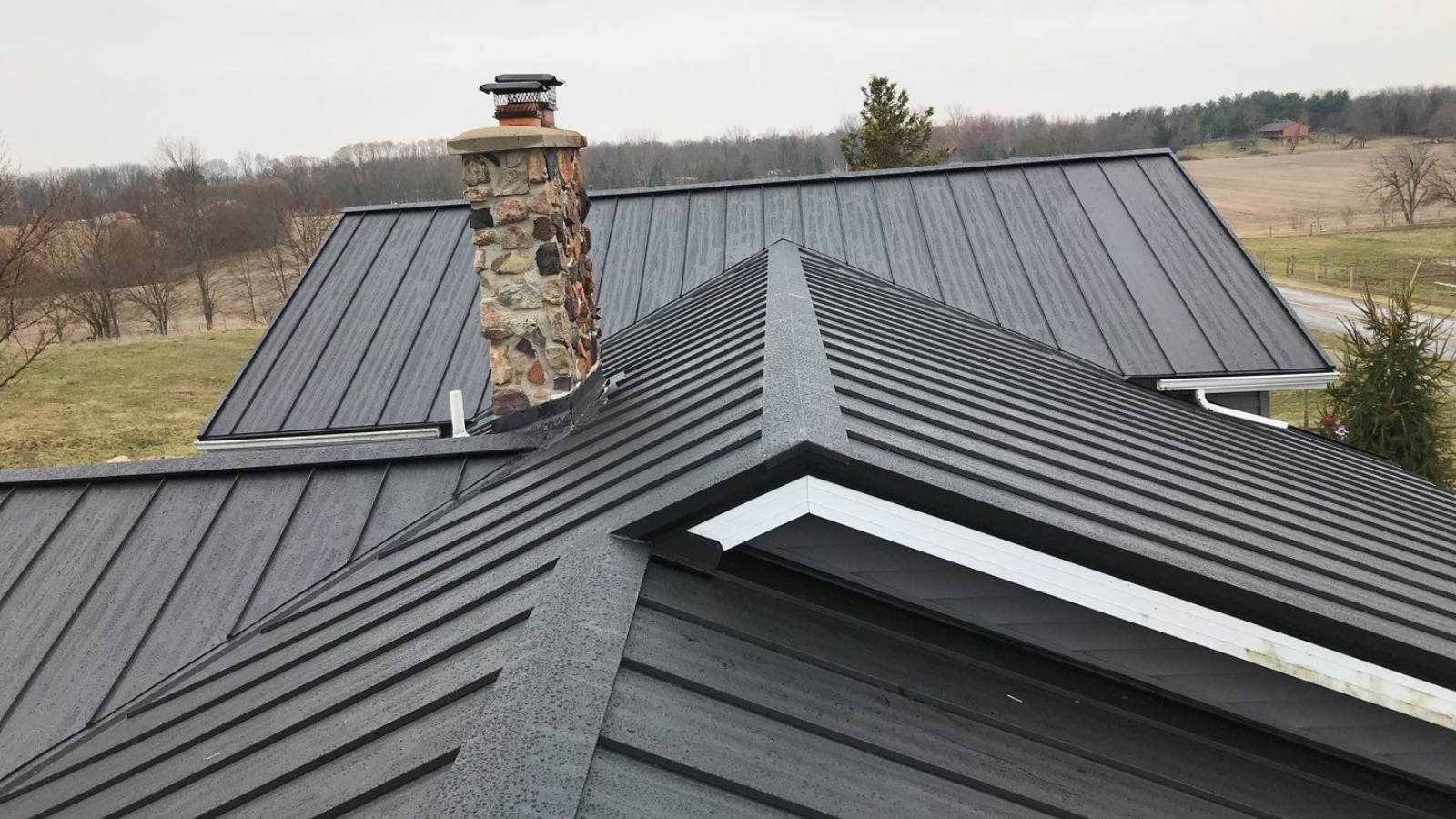
Your roof protects nearly every part of your home. It shields your family, ceilings, walls, insulation, flooring, electrical systems, and personal belongings from rain, snow, wind, hail, and changing temperatures. Despite this important role, the roof is often one of the most overlooked parts of a property until a visible leak or major problem develops.
Many roofing issues begin quietly. A loose shingle, cracked sealant, damaged flashing, or blocked drainage area may not cause immediate interior damage. Over time, however, small weaknesses can allow moisture to enter the roofing system and affect the decking, insulation, framing, and ceilings.
Regular inspections give homeowners an opportunity to identify these concerns before they become expensive emergencies. Understanding the regular roof inspection benefits can help you protect your property, control long term maintenance costs, and make informed decisions about repairs or replacement.
At Elkhart County Roofing, we help homeowners in Elkhart, Bristol, Goshen, Granger, Howe, La Porte, LaGrange, Ligonier, Michigan City, Middlebury, Mishawaka, Nappanee, Shipshewana, South Bend, Wakarusa, Fort Wayne, Edwardsburg, Kalamazoo, Niles, and Rochester evaluate roof condition and address problems before they spread.
Why Roof Inspections Matter in Northern Indiana
Northern Indiana homes experience demanding weather throughout the year.
Local roofing systems must handle:
- Heavy spring rain
- Summer heat and humidity
- Strong thunderstorms
- Hail
- High winds
- Falling branches
- Freezing temperatures
- Snow accumulation
- Ice buildup
- Freeze and thaw cycles
Homes closer to Lake Michigan may also experience lake effect snow, stronger moisture exposure, and rapidly changing weather conditions.
These seasonal changes place ongoing stress on shingles, metal panels, flashing, fasteners, sealants, gutters, and ventilation systems. Materials expand in heat and contract during cold weather. Wind can loosen edges, while ice may force moisture beneath roofing materials.
One of the most important regular roof inspection benefits is the ability to identify weather related wear before it causes widespread damage.
What Is a Professional Roof Inspection?
A professional roof inspection is a detailed evaluation of the visible and accessible parts of your roofing system.
The contractor may inspect:
- Shingles or roofing panels
- Roof valleys
- Ridge caps
- Flashing
- Chimneys
- Skylights
- Vent pipes
- Roof penetrations
- Gutters
- Downspouts
- Soffits
- Fascia
- Roof decking
- Attic ventilation
- Insulation
- Interior ceilings and walls
The goal is to identify existing damage, developing problems, and conditions that may shorten the roof’s service life.
A professional inspection should not focus only on obvious leaks. It should evaluate how the entire system is performing and whether moisture, ventilation, drainage, or structural concerns are present.
Regular Roof Inspection Benefits Begin With Early Detection
Many roofing problems are much easier and less expensive to repair when found early.
For example, replacing a few damaged shingles may be a relatively simple repair. If those shingles remain damaged for months, water may reach the underlayment and decking. The homeowner may eventually need structural repairs, insulation replacement, drywall work, painting, or mold remediation.
Early detection may reveal:
- Loose shingles
- Missing shingles
- Cracked flashing
- Damaged sealant
- Exposed fasteners
- Minor punctures
- Early rust
- Small leaks
- Blocked drainage
- Ventilation problems
This is one of the strongest regular roof inspection benefits for homeowners who want to prevent avoidable expenses.
Inspections Can Help Prevent Interior Water Damage
A roof leak does not always appear directly beneath the damaged area.
Water may travel along rafters, roof decking, insulation, pipes, or wiring before reaching a visible ceiling. By the time a stain appears indoors, moisture may already have affected a larger area.
Possible signs of hidden water intrusion include:
- Ceiling stains
- Peeling paint
- Bubbling drywall
- Damp insulation
- Musty odors
- Mold growth
- Darkened wood
- Rust around fasteners
- Dripping near light fixtures
Professional roof inspections may identify the source of moisture before significant interior damage develops.
Among the most valuable regular roof inspection benefits is protecting areas of the home that are expensive and disruptive to repair.
Inspections Support a Longer Roof Lifespan
Every roofing system has an expected service life, but that lifespan depends on more than the material alone.
A roof’s longevity is influenced by:
- Installation quality
- Weather exposure
- Attic ventilation
- Maintenance
- Tree coverage
- Drainage
- Storm history
- Repair timing
- Material quality
A roof that receives regular inspections and prompt repairs may perform better and last longer than one that is ignored.
Small maintenance issues can place additional stress on nearby components. Loose flashing may allow moisture beneath surrounding shingles. Clogged gutters may direct water toward the roof edge. Poor ventilation may cause excessive heat and premature shingle aging.
Correcting these problems supports better long term performance.
Extending useful roof life is one of the most practical regular roof inspection benefits for homeowners trying to maximize their investment.
Regular Inspections Can Reduce Repair Costs
Emergency roofing problems often cost more than planned maintenance.
A roof that begins leaking during heavy rain may require temporary protection, urgent scheduling, interior cleanup, and additional repairs. Homeowners may also need to address damaged ceilings, insulation, flooring, or electrical components.
Regular inspections help identify concerns while there is still time to plan repairs.
Planned repairs offer several advantages:
- More time to compare solutions
- Reduced risk of emergency damage
- Better control over scheduling
- Easier budget preparation
- Less disruption to the household
Preventing major repair bills is one of the regular roof inspection benefits that can make routine maintenance financially worthwhile.
Storm Damage Is Not Always Visible
After a severe storm, homeowners often check for missing shingles or fallen branches. However, some damage may not be visible from the ground.
Hail can bruise shingles, loosen granules, crack protective surfaces, or damage flashing. Strong wind may lift shingles without removing them completely. The shingle may settle back into place while the seal underneath remains weakened.
Possible storm damage includes:
- Lifted shingles
- Creased shingles
- Missing tabs
- Exposed nails
- Damaged ridge caps
- Dented metal
- Cracked vents
- Damaged flashing
- Punctures from debris
- Loose gutters
A professional inspection can document damage and determine whether repairs are needed.
For homeowners in storm prone communities, post storm evaluations are among the most important regular roof inspection benefits.
Inspections Help Protect Manufacturer Warranties
Roofing warranties vary by manufacturer and product.
Some warranties require homeowners to maintain the roof properly and address problems promptly. Neglect, improper repairs, poor ventilation, or failure to correct drainage issues may affect coverage.
Regular professional inspections create a record showing that the homeowner took reasonable steps to maintain the roofing system.
Inspection records may include:
- Roof condition
- Photographs
- Maintenance recommendations
- Completed repairs
- Dates of service
- Identified storm damage
Documentation does not guarantee warranty approval, but it may help demonstrate responsible maintenance.
Warranty protection is another reason regular roof inspection benefits extend beyond immediate repairs.
Inspections May Help With Insurance Claims
When storms damage a roof, insurance companies may request documentation showing the condition, cause, and extent of the damage.
A roofing contractor may provide:
- Photographs
- Inspection findings
- Damage descriptions
- Repair recommendations
- Material information
- Measurements
- Cost estimates
Regular inspection records may also help establish the roof’s condition before a storm.
Homeowners should remember that the roofing contractor does not determine insurance coverage. The insurance company makes claim decisions based on the policy and its own evaluation.
However, professional documentation can help homeowners communicate more clearly with their insurer.
Attic Ventilation Can Be Evaluated
Roof inspections should include more than the exterior surface.
Attic ventilation plays an important role in roof performance. A balanced ventilation system helps remove excess heat and moisture.
Poor ventilation may contribute to:
- Excessive attic heat
- Condensation
- Mold
- Wet insulation
- Wood deterioration
- Ice dams
- Premature shingle aging
- Higher cooling costs
During an inspection, a roofing professional may evaluate intake vents, exhaust vents, airflow, and visible moisture conditions.
Identifying ventilation concerns is one of the lesser known regular roof inspection benefits, but it can significantly affect the roofing system’s lifespan.
Inspections Can Identify Ice Dam Risk
Northern Indiana winters create conditions that may lead to ice dams.
Ice dams form when heat escapes into the attic and melts snow on the upper roof. Meltwater moves toward the colder roof edge and refreezes. Additional water may collect behind the ice and move beneath shingles.
Ice dams may cause:
- Roof leaks
- Wet insulation
- Damaged ceilings
- Rotting decking
- Mold growth
- Damaged gutters
- Loose shingles
A professional inspection may identify contributing conditions such as poor ventilation, inadequate insulation, damaged roof edges, or blocked drainage.
Reducing ice dam risk is one of the regular roof inspection benefits particularly relevant to homes in Elkhart, South Bend, Michigan City, La Porte, Kalamazoo, and nearby communities.
Roof Inspections Protect Gutters and Drainage
Gutters are an important part of the roofing system.
They direct rainwater away from the roof edge, siding, foundation, walkways, and landscaping.
Damaged or clogged gutters may cause water to back up beneath roofing materials or overflow near the foundation.
A roof inspection may identify:
- Loose gutters
- Sagging sections
- Clogged downspouts
- Damaged fasteners
- Separated joints
- Improper slope
- Rust or corrosion
- Water stains on fascia
Protecting drainage components supports the overall performance of the roof.
Inspections Can Reveal Flashing Problems
Flashing protects roof transitions and penetrations where water intrusion is more likely.
It is commonly installed around:
- Chimneys
- Skylights
- Roof valleys
- Vent pipes
- Sidewalls
- Dormers
- Roof edges
Flashing may loosen, crack, rust, separate, or pull away from nearby materials.
Because flashing problems can cause leaks even when the shingles appear healthy, these areas require careful attention.
Finding flashing issues early is one of the regular roof inspection benefits that may prevent extensive water damage.
Chimneys and Skylights Need Special Attention
Chimneys and skylights create openings within the roof system.
These areas depend on flashing, sealants, and proper installation to remain watertight.
An inspection may identify:
- Cracked chimney mortar
- Loose flashing
- Damaged counterflashing
- Failing sealant
- Condensation
- Cracked skylight components
- Water stains
- Debris buildup
Leaks near chimneys and skylights can be difficult to diagnose without a complete evaluation.
Tree Related Damage May Develop Gradually
Trees provide shade and curb appeal, but branches can also affect roofing systems.
Potential problems include:
- Branches rubbing against shingles
- Falling limbs
- Leaf buildup in valleys
- Clogged gutters
- Moss growth
- Animal access
- Excessive shade and moisture
A roof inspection may reveal damage caused by branches or recommend trimming before a larger issue develops.
Homeowners should avoid allowing large branches to rest directly on the roofing surface.
Moss, Algae, and Organic Growth Can Be Evaluated
Moss and algae are not always only cosmetic concerns.
Moss may retain moisture against roofing materials. Over time, it can lift shingle edges or contribute to deterioration.
Dark roof streaks may be caused by algae. Although algae does not always indicate structural damage, it can affect appearance and may signal persistent moisture or shade.
A professional can determine whether cleaning is appropriate and recommend methods that will not damage the roof.
Homeowners should avoid aggressive pressure washing, which can remove protective granules from asphalt shingles.
Inspections Can Improve Home Sale Preparation
A roof is one of the first major systems buyers and home inspectors evaluate.
If you plan to sell your home, a professional roof inspection can help identify concerns before the property is listed.
This gives you time to:
- Complete repairs
- Gather warranty documents
- Provide maintenance records
- Address active leaks
- Reduce surprises during negotiations
- Improve buyer confidence
A documented roof condition may help support a smoother sale.
Preparing for resale is one of the regular roof inspection benefits that can be valuable even when no immediate problem is visible.
Roof Inspections Help With Home Purchases
Buyers should also consider a professional roof evaluation before purchasing a home.
A general home inspection may identify visible concerns, but a roofing contractor can provide a more focused evaluation of the roofing system.
The inspection may help the buyer understand:
- Approximate roof age
- Remaining service life
- Existing damage
- Repair priorities
- Ventilation condition
- Potential replacement timing
This information can help buyers make more informed financial decisions.
How Often Should Homeowners Schedule Roof Inspections?
A common recommendation is to schedule a professional roof inspection at least once a year.
Additional inspections may be appropriate:
- After severe thunderstorms
- After hail
- After high winds
- After heavy snow or ice
- After a fallen branch
- Before buying a home
- Before selling a home
- Before installing solar panels
- When the roof approaches the end of its expected lifespan
- When interior water stains appear
The correct frequency depends on roof age, material, condition, weather exposure, and previous damage.
Older roofs may benefit from more frequent evaluation.
What Time of Year Is Best for a Roof Inspection?
Roof inspections can be completed during several parts of the year, depending on weather and safety conditions.
Spring inspections can identify damage caused by winter snow, ice, freezing temperatures, and wind.
Fall inspections can help prepare the roofing system for colder weather and confirm that gutters, flashing, and roof surfaces are ready for winter.
Post storm inspections should be scheduled when severe weather may have caused damage.
The best time is often before small concerns turn into active leaks.
Signs You Should Schedule an Inspection Immediately
Homeowners should not wait for an annual inspection if warning signs appear.
Schedule a professional evaluation if you notice:
- Missing shingles
- Shingles in the yard
- Loose metal panels
- Ceiling stains
- Water dripping indoors
- Damp attic insulation
- Sagging roof areas
- Damaged gutters
- Granules in downspouts
- Daylight visible through the attic
- Musty odors
- Mold
- Cracked flashing
- Storm debris on the roof
Prompt action may limit the extent of the damage.
What Happens During an Exterior Roof Inspection?
During an exterior inspection, the roofing professional may evaluate the visible roof surface and surrounding components.
This may include checking:
- Shingle condition
- Metal panel condition
- Ridge caps
- Valleys
- Roof edges
- Flashing
- Sealants
- Fasteners
- Chimneys
- Skylights
- Vents
- Gutters
- Downspouts
- Soffits
- Fascia
The inspector may also look for uneven roof lines, sagging, debris, drainage problems, and signs of previous repairs.
What Happens During an Interior Inspection?
An interior evaluation may include the attic and accessible areas beneath the roof.
The contractor may look for:
- Water stains
- Damp insulation
- Mold
- Rot
- Rusted nails
- Condensation
- Inadequate ventilation
- Damaged decking
- Daylight through openings
- Signs of animal activity
Interior findings can help locate leaks that are difficult to identify from the exterior alone.
Roof Inspections for Asphalt Shingles
Asphalt shingles may develop several common issues as they age.
An inspector may check for:
- Curling
- Cracking
- Blistering
- Granule loss
- Missing shingles
- Lifted edges
- Nail pops
- Damaged seal strips
- Worn valleys
The condition of the shingles, underlayment, flashing, and ventilation all influence remaining roof life.
Roof Inspections for Metal Roofing
Metal roofs are durable, but they still require periodic evaluation.
An inspection may identify:
- Loose fasteners
- Worn washers
- Open seams
- Failed sealant
- Scratches
- Corrosion
- Dents
- Damaged flashing
- Panel movement
- Debris buildup
Regular inspections can help preserve a metal roofing system and address small maintenance concerns before they affect larger sections.
Roof Inspections for Flat and Low Slope Roofs
Flat and low slope roofing systems have different maintenance needs than steep slope roofs.
An inspector may check for:
- Ponding water
- Open seams
- Punctures
- Blisters
- Cracks
- Membrane shrinkage
- Drainage problems
- Damaged flashing
- Loose edges
- Debris
Because water drains more slowly from low slope roofs, small defects may lead to leaks if they are not corrected.
Safety Is an Important Reason to Hire a Professional
Homeowners may be tempted to inspect the roof themselves, but climbing onto a roof creates serious risks.
Hazards include:
- Falls
- Unstable ladders
- Wet surfaces
- Loose shingles
- Steep slopes
- Weak decking
- Ice
- Electrical lines
A homeowner can safely perform a basic ground level review using binoculars or photographs. However, detailed roof access should generally be left to trained professionals with proper safety equipment.
Safety is one of the regular roof inspection benefits of working with an experienced contractor rather than attempting a complete inspection alone.
Professional Inspections Provide Better Documentation
A professional inspection may include photographs, written findings, repair priorities, and recommendations.
This documentation can help homeowners:
- Track roof condition
- Plan repairs
- Compare changes over time
- Communicate with insurers
- Prepare for replacement
- Maintain warranty records
- Support a future home sale
Clear documentation makes it easier to understand what needs attention and what can be monitored.
Roof Inspections Support Better Budget Planning
A sudden roof replacement can place significant pressure on a household budget.
Regular inspections may provide advance warning that a roof is approaching the end of its service life.
This gives homeowners time to:
- Research materials
- Request estimates
- Review financing options
- Plan project timing
- Compare warranties
- Prepare the property
Financial preparation is one of the regular roof inspection benefits that can reduce stress when replacement eventually becomes necessary.
Inspections Help Prioritize Repairs
Not every roofing concern requires immediate replacement.
A professional inspection can help separate urgent problems from routine maintenance.
Repairs may be categorized as:
- Immediate safety concerns
- Active leak repairs
- Storm damage
- Preventive maintenance
- Items to monitor
- Long term replacement planning
This allows homeowners to make decisions based on condition rather than fear or guesswork.
Common Roof Inspection Mistakes Homeowners Make
One common mistake is assuming the roof is fine because there is no visible leak.
Another is checking only the front side of the roof from the ground.
Other mistakes include:
- Ignoring the attic
- Overlooking gutters
- Waiting until after interior damage appears
- Assuming new roofs never need inspection
- Using pressure washing for roof cleaning
- Walking on fragile roofing materials
- Ignoring minor flashing damage
- Delaying post storm evaluations
Understanding these mistakes can help homeowners receive more value from regular maintenance.
Why Newer Roofs Still Need Inspections
A recently installed roof may still benefit from inspection.
Possible concerns include:
- Storm damage
- Installation errors
- Material defects
- Loose flashing
- Damaged vents
- Gutter problems
- Tree damage
- Animal activity
Inspecting a newer roof can help identify issues while workmanship or product warranties may still apply.
Why Older Roofs Need More Attention
As roofing materials age, they become more vulnerable to weather and moisture.
Older roofs may experience:
- Brittle shingles
- Greater granule loss
- Aging sealants
- Corroded flashing
- Loose fasteners
- Reduced wind resistance
- Frequent repairs
Regular evaluations become increasingly important as a roof approaches the end of its expected lifespan.
Roof Maintenance Between Professional Inspections
Homeowners can support roof performance through simple maintenance habits.
From the ground, homeowners can:
- Look for missing shingles
- Check for sagging gutters
- Watch for roof debris
- Observe staining
- Look for loose flashing
- Monitor downspout drainage
- Check ceilings after storms
- Watch for attic moisture
- Trim overhanging branches
- Keep gutters clear
Avoid walking on the roof unless you have the training and equipment to do so safely.
Why Homeowners Choose Elkhart County Roofing
Elkhart County Roofing understands the weather and roofing challenges faced by homeowners throughout northern Indiana and nearby Michigan communities.
Our team evaluates the complete roofing system, including the visible surface, flashing, drainage, ventilation, and accessible interior areas.
We focus on clear findings and practical recommendations so homeowners can understand:
- What condition the roof is in
- Which repairs should be prioritized
- Whether storm damage is present
- How ventilation may be affecting performance
- When replacement may be necessary
- What steps can help extend roof life
We proudly serve homeowners in Elkhart, Bristol, Goshen, Granger, Howe, La Porte, LaGrange, Ligonier, Michigan City, Middlebury, Mishawaka, Nappanee, Shipshewana, South Bend, Wakarusa, Fort Wayne, Edwardsburg, Kalamazoo, Niles, and Rochester.
Frequently Asked Questions About Roof Inspections
How often should I have my roof inspected?
Many homeowners benefit from an annual professional inspection. Additional evaluations may be needed after hail, high winds, heavy snow, fallen branches, or visible leaks.
Can I inspect my roof from the ground?
You can look for obvious warning signs from the ground, but many roofing problems require closer evaluation. Avoid climbing onto the roof without proper training and safety equipment.
Does a roof inspection mean I need a replacement?
No. An inspection may identify minor repairs, maintenance needs, storm damage, or ventilation concerns. A professional should explain whether repair or replacement is appropriate based on condition.
Should I schedule an inspection after every storm?
Not every rain event requires an inspection. However, hail, damaging wind, fallen branches, or visible roofing debris may justify a professional evaluation.
Can inspections help prevent leaks?
Inspections cannot prevent every roofing problem, but they can identify many conditions that may lead to leaks. Prompt repairs reduce the chance that small defects will become larger problems.
How long does a roof inspection take?
The time depends on roof size, complexity, accessibility, material, and condition. A thorough inspection should not be rushed.
Are roof inspections important before selling a home?
Yes. An inspection can identify problems before the buyer’s inspection and provide time to complete repairs or prepare documentation.
What should I do if the inspection finds damage?
Ask for photographs, a clear explanation, repair priorities, and a written estimate. If storm damage is involved, contact your insurance provider to understand your policy and claim process.
Final Thoughts
Your roof works every day to protect your home from rain, wind, snow, hail, heat, and freezing temperatures. Even small roofing problems can lead to expensive damage when they remain hidden or unaddressed.
Regular inspections help homeowners identify problems early, protect interior spaces, support warranty documentation, prepare for storms, improve budget planning, and extend the useful life of the roofing system.
The regular roof inspection benefits are especially important for homes throughout northern Indiana and nearby Michigan, where roofs face severe thunderstorms, lake effect snow, ice, hail, strong winds, and repeated freeze and thaw cycles.
Waiting for a visible leak often means the problem has already progressed. A proactive inspection provides the information needed to make responsible repair and replacement decisions before damage spreads.
We proudly serve Elkhart, Bristol, Goshen, Granger, Howe, La Porte, LaGrange, Ligonier, Michigan City, Middlebury, Mishawaka, Nappanee, Shipshewana, South Bend, Wakarusa, Fort Wayne, Edwardsburg, Kalamazoo, Niles, and Rochester with dependable roof inspections and homeowner focused roofing services.
