
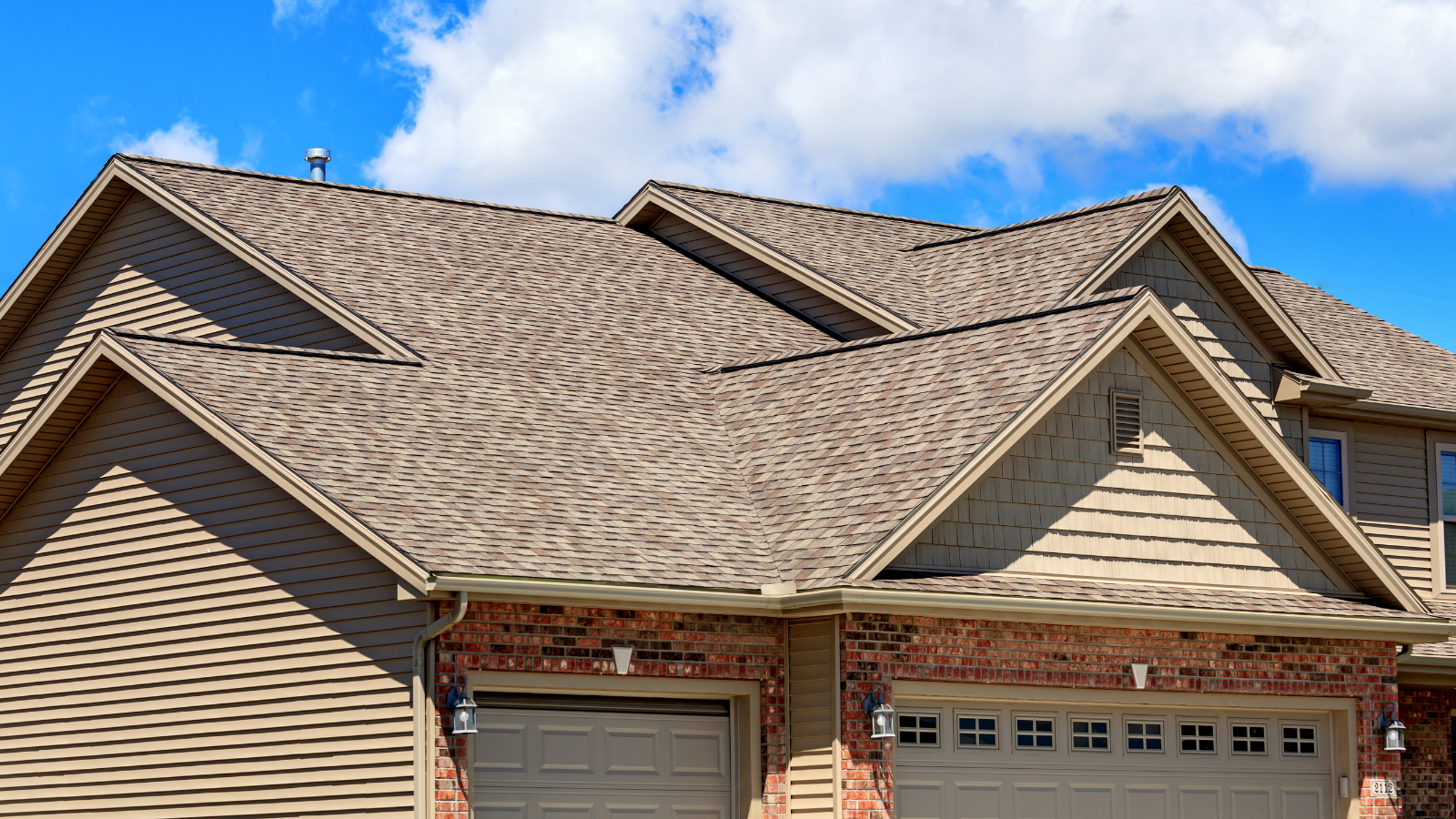
A new roof is a major investment in your home. It improves protection, curb appeal, energy performance, and peace of mind, but installing a new roof is only the beginning. How you care for it over the years can have a major impact on how long it performs.
For homeowners in Elkhart, Indiana, proper roof care is especially important because local homes experience a wide range of weather conditions throughout the year, including rain, snow, ice, hail, strong winds, heat, humidity, and rapid temperature changes.
Protecting new roof longevity means taking a proactive approach from the beginning. Regular inspections, proper attic ventilation, clean gutters, timely repairs, and storm awareness can all help reduce unnecessary wear and prevent minor issues from becoming expensive problems.
At Elkhart County Roofing, we help homeowners throughout Elkhart, Bristol, Goshen, Granger, Howe, La Porte, LaGrange, Ligonier, Michigan City, Middlebury, Mishawaka, Nappanee, Shipshewana, South Bend, Wakarusa, Fort Wayne, Edwardsburg, Kalamazoo, Niles, and Rochester protect their roofing systems for the long term.
Why Roof Maintenance Matters Even When Your Roof Is New
A newly installed roof may look perfect, but it is still exposed to weather from the first day.
Sunlight, rain, wind, debris, temperature changes, and seasonal storms begin affecting roofing materials immediately. While quality materials are designed to handle these conditions, proper maintenance helps them perform as intended.
Homeowners sometimes assume that a new roof requires no attention for many years. That mindset can allow small issues to develop unnoticed.
A strong maintenance plan can help identify:
- Loose flashing
- Damaged shingles
- Debris buildup
- Gutter problems
- Ventilation issues
- Sealant deterioration
- Storm damage
Supporting new roof longevity starts with preventing small concerns from becoming larger ones.
1. Schedule Regular Roof Inspections
One of the most effective ways to extend the life of a new roof is to have it inspected periodically.
Professional roof inspections can identify issues that may be difficult to see from the ground.
A roofing contractor may inspect:
- Shingle condition
- Flashing
- Ridge caps
- Roof valleys
- Chimneys
- Skylights
- Pipe boots
- Roof vents
- Gutters
- Soffit
- Fascia
- Attic moisture
Routine inspections are especially useful because some problems do not immediately create leaks.
A loose flashing edge or damaged shingle seal may remain unnoticed until water begins entering the roof system.
Regular professional inspections are one of the most practical ways to protect new roof longevity.
2. Inspect the Roof After Severe Storms
Northern Indiana weather can change quickly.
Strong thunderstorms, hail, wind, heavy rain, snow, and falling branches can damage even relatively new roofing systems.
After severe weather, homeowners should look for signs such as:
- Missing shingles
- Fallen branches
- Loose gutters
- Dented metal
- Shingle debris
- Damaged siding
- Interior water stains
Avoid climbing onto the roof yourself.
Storm damage can make surfaces slippery or unstable.
If your neighborhood experiences severe weather, scheduling a professional inspection can help identify hidden damage.
Protecting new roof longevity often means addressing storm-related problems before they become leaks.
3. Keep Gutters Clean
Gutters play a major role in roof performance.
Their job is to collect water from the roof and direct it safely away from the home.
When gutters become clogged with leaves, branches, granules, or other debris, water can overflow and collect near roof edges.
This may contribute to:
- Fascia damage
- Soffit damage
- Roof edge moisture
- Foundation problems
- Ice buildup
- Siding stains
Clean gutters help water move efficiently away from the roofing system.
Homeowners should inspect gutters periodically and especially during fall when leaves are more likely to accumulate.
4. Make Sure Downspouts Drain Properly
Clean gutters are only helpful if downspouts work correctly.
Downspouts should direct water away from the foundation.
Check for:
- Blockages
- Loose connections
- Cracks
- Improper slope
- Water pooling near the home
Downspouts that empty too close to the foundation can create moisture problems around the home.
Proper drainage supports both roof performance and the overall exterior system.
5. Trim Overhanging Tree Branches
Trees can provide shade and improve the appearance of a property, but branches that extend over the roof can cause problems.
Overhanging limbs may:
- Scrape shingles
- Drop leaves into valleys
- Clog gutters
- Fall during storms
- Encourage moss growth by creating shade
- Drop sap or organic debris
Branches rubbing repeatedly against shingles can gradually remove protective granules.
Large branches may also cause significant impact damage if they break during strong winds.
Keeping trees appropriately trimmed is a simple way to protect new roof longevity.
Large or difficult tree work should be handled by qualified professionals.
6. Remove Roof Debris
Leaves, twigs, pine needles, and other debris can collect on roofs, especially in valleys and around chimneys.
Debris can trap moisture against roofing materials.
Over time, this may contribute to:
- Algae
- Moss
- Shingle deterioration
- Drainage problems
Homeowners should avoid climbing onto the roof to remove debris.
Professional roof maintenance can safely clear problem areas when necessary.
7. Maintain Proper Attic Ventilation
Attic ventilation plays an important role in how long your roof lasts.
A properly ventilated attic allows air to circulate through intake and exhaust vents.
This helps control:
- Heat
- Moisture
- Condensation
- Indoor comfort
Poor ventilation may cause excessive heat buildup during summer.
That heat can accelerate shingle aging.
During winter, warm moist air may condense inside the attic and contribute to mold, wet insulation, or wood deterioration.
Balanced ventilation is one of the most important factors affecting new roof longevity.
8. Check Attic Insulation
Insulation and ventilation work together.
Good insulation helps prevent heated or cooled indoor air from escaping into the attic.
During winter, excessive heat in the attic may melt snow on the roof. The water can then refreeze near colder roof edges and contribute to ice dams.
Poor insulation may also increase energy costs.
Homeowners should periodically inspect attic insulation for:
- Gaps
- Moisture
- Compression
- Uneven coverage
- Water stains
Wet insulation should be investigated because it may indicate a roof leak or condensation problem.
9. Watch for Moisture in the Attic
The attic can provide early warning signs of roofing problems.
Look for:
- Dark stains
- Wet wood
- Damp insulation
- Musty odors
- Mold
- Rusted fasteners
- Water trails
Moisture may come from a roof leak, ventilation problem, plumbing issue, or condensation.
Finding the source early can help prevent damage from spreading.
Early moisture detection supports new roof longevity by protecting roof decking and structural components.
10. Maintain Roof Flashing
Flashing protects areas where the roof meets other surfaces or penetrations.
It is commonly installed around:
- Chimneys
- Skylights
- Walls
- Roof valleys
- Plumbing vents
- Dormers
Flashing helps direct water away from these vulnerable areas.
Even a small gap can allow moisture into the roof system.
During inspections, contractors should check flashing for:
- Corrosion
- Loose sections
- Cracks
- Failed sealants
- Improper fastening
Prompt flashing repairs can prevent serious water damage.
11. Pay Attention to Roof Valleys
Roof valleys carry large amounts of runoff during rainstorms.
Because water from two roof slopes flows into these areas, valleys experience more moisture than many other parts of the roof.
Debris buildup, damaged shingles, or flashing issues can interfere with drainage.
Keeping valleys clear and properly maintained can help protect new roof longevity.
12. Watch for Shingle Damage
New shingles should remain flat and securely attached.
However, severe weather or installation problems may cause:
- Cracking
- Curling
- Lifting
- Missing shingles
- Granule loss
One damaged shingle may seem minor, but it can expose the underlayment to moisture and sunlight.
Prompt repair is usually easier than waiting until surrounding materials become damaged.
13. Monitor Granule Loss
Asphalt shingles contain protective granules that help shield the roofing material from ultraviolet radiation.
Some granule shedding is normal, especially shortly after installation.
However, unusual or concentrated granule loss may indicate:
- Hail impact
- Foot traffic
- Manufacturing problems
- Severe weather
- Physical damage
You may notice granules in gutters or near downspout outlets.
If granule loss appears excessive, schedule an inspection.
14. Avoid Walking on the Roof
Walking on roofing materials can cause unnecessary wear.
Foot traffic may:
- Loosen granules
- Crack shingles
- Damage seals
- Bend flashing
- Create safety risks
Unless you are trained and have proper safety equipment, avoid climbing onto the roof.
Hire professionals when maintenance or inspection requires rooftop access.
Reducing unnecessary traffic helps preserve new roof longevity.
15. Keep Moss and Algae Under Control
Shaded roofs may develop moss or algae over time.
Algae often appears as dark streaks.
Moss may grow between shingles and hold moisture against the roof surface.
Homeowners should avoid aggressive pressure washing because high pressure can damage shingles and remove protective granules.
Use manufacturer-approved cleaning methods or professional roof cleaning when necessary.
16. Keep Siding, Soffit, and Fascia in Good Condition
Roof performance is connected closely to other exterior systems.
Soffit, fascia, siding, and gutters all contribute to moisture control.
Damaged fascia may allow water near the roof edge.
Blocked soffit vents can affect attic ventilation.
Loose siding near roof-to-wall intersections can expose flashing.
Maintaining the complete exterior helps protect the roof as well.
17. Address Small Repairs Quickly
One of the easiest ways to shorten the life of a roof is to ignore minor damage.
Small problems often become larger because water repeatedly enters the same area.
For example:
- A loose shingle may become missing.
- A small flashing gap may become a leak.
- A clogged gutter may damage fascia.
- A cracked pipe boot may allow attic moisture.
Prompt repairs support new roof longevity because they prevent damage from spreading.
18. Protect Your Roof From Ice Dams
Ice dams can occur during northern Indiana winters.
They form when heat from the home melts snow on upper sections of the roof. The water flows toward colder roof edges and freezes.
Repeated melting and freezing can create a barrier that prevents additional water from draining.
Water may then move beneath roofing materials.
Ways to reduce ice dam risk include:
- Proper insulation
- Balanced attic ventilation
- Air sealing
- Keeping gutters clear
- Proper ice and water barriers during installation
Never attempt to break ice aggressively with tools that could damage shingles.
19. Maintain Chimneys and Masonry
Chimneys interact closely with roofing systems.
Cracked masonry, deteriorated mortar, or damaged chimney caps can allow water into areas near the roof.
Chimney flashing should also remain properly sealed and layered.
Homeowners with chimneys should have both the roofing and masonry components inspected periodically.
20. Maintain Skylights
Skylights can provide natural light, but they also create openings in the roofing system.
Check for:
- Interior water stains
- Condensation
- Cracked seals
- Damaged flashing
Properly installed skylights should remain watertight, but aging components may eventually require attention.
Protecting skylight flashing helps maintain new roof longevity.
21. Check Plumbing Vent Boots
Plumbing vents commonly use rubber or metal flashing components.
Sunlight and temperature changes can gradually weaken rubber boots.
Cracks may allow water to enter around the pipe.
Professional inspections can identify these problems before they cause significant leaks.
22. Prevent Pest Damage
Animals and insects may damage roofing and attic components.
Common trouble areas include:
- Soffit gaps
- Loose fascia
- Roof vents
- Damaged siding
- Chimney openings
Birds, squirrels, insects, and other pests may enlarge small openings.
Repairing damaged exterior components quickly can help prevent pests from entering.
23. Avoid Improper DIY Repairs
Roof repairs can appear simple from online tutorials, but incorrect repairs may create larger problems.
Using excessive sealant, incorrect fasteners, or incompatible materials can interfere with drainage and manufacturer requirements.
DIY work may also create safety risks.
When a repair affects shingles, flashing, decking, or structural components, professional assistance is generally recommended.
Professional maintenance helps protect new roof longevity by ensuring repairs are completed correctly.
24. Know Your Roofing Warranty
Homeowners should understand the warranties associated with their new roof.
Coverage may include:
- Manufacturer material warranty
- Contractor workmanship warranty
Ask questions such as:
- How long does coverage last?
- What conditions are included?
- What maintenance is required?
- Is documentation required?
- Is the warranty transferable?
- What could void the warranty?
Keep warranty paperwork, receipts, inspection records, and repair documentation in a safe place.
Following warranty requirements can help protect your roofing investment.
25. Keep Records of Roof Maintenance
Documentation helps homeowners track roof condition over time.
Keep records of:
- Installation date
- Roofing material
- Contractor information
- Warranty documents
- Inspections
- Repairs
- Storm damage
- Maintenance work
This information can be useful when diagnosing future problems or selling the home.
26. Keep Gutters and Roof Edges Clear During Winter
Snow and ice can create additional pressure on roof edges and gutters.
Homeowners should monitor gutters for:
- Ice buildup
- Loose sections
- Sagging
- Blocked downspouts
Heavy snow removal should generally be handled carefully to avoid damaging roofing materials.
If snow accumulation becomes unusually heavy or you are concerned about structural loading, contact a professional.
27. Monitor Interior Warning Signs
Roof problems often reveal themselves inside the home.
Watch for:
- Ceiling stains
- Peeling paint
- Bubbling drywall
- Damp walls
- Musty odors
- Unexplained moisture
These symptoms should be investigated promptly.
A roof leak may begin far from the location where the water eventually becomes visible.
28. Keep Roof Penetrations Properly Sealed
Every roof penetration creates a potential weak point.
These may include:
- Plumbing vents
- Exhaust vents
- Satellite equipment
- Chimneys
- Skylights
Improperly installed equipment can damage roofing materials.
If adding anything to the roof, make sure installation is completed correctly and does not interfere with warranties.
29. Be Careful When Installing Holiday Decorations
Seasonal decorations can unintentionally damage roofing materials.
Avoid:
- Nailing decorations into shingles
- Screwing fixtures into flashing
- Placing heavy objects on the roof
- Pulling on gutters
Use clips or other methods designed for gutters or exterior trim instead.
Small punctures can become moisture entry points.
30. Maintain Proper Drainage Around the Home
Roof water should eventually move away from the foundation.
Make sure gutters and downspouts direct water toward suitable drainage areas.
Standing water near the home can affect:
- Foundations
- Basements
- Landscaping
- Siding
- Exterior materials
Although this may seem unrelated to roofing, the entire water-management system works together.
31. Choose Compatible Replacement Materials
If repairs are needed, compatible materials should be used whenever possible.
Using products that do not match manufacturer requirements may affect appearance, performance, or warranty coverage.
Professional roofers can help identify the correct materials for repairs.
32. Do Not Delay Storm Damage Inspections
Some storm damage is difficult to see.
Hail may bruise shingles.
Wind may break adhesive seals without removing the shingles.
Flashing may loosen.
Waiting until a roof begins leaking can allow damage to progress.
Timely storm inspections are especially valuable for preserving new roof longevity.
33. Understand the Impact of Local Weather
Homes throughout Elkhart County and surrounding areas experience weather conditions that place ongoing stress on roofing materials.
Summer Heat
High temperatures and direct sunlight can contribute to material expansion and aging.
Heavy Rain
Rain tests flashing, valleys, gutters, and drainage systems.
Wind
Strong gusts can loosen shingles and damage roof edges.
Hail
Hail may remove granules or damage roofing materials.
Snow
Snow adds weight and introduces moisture.
Freeze and Thaw Cycles
Repeated freezing and melting can stress flashing, sealants, and roof edges.
Understanding these conditions makes proactive maintenance even more important.
34. Follow Manufacturer Maintenance Recommendations
Roofing manufacturers may provide specific maintenance instructions for their products.
Following these recommendations can help preserve performance and warranty coverage.
Recommendations may address:
- Cleaning
- Inspection
- Repairs
- Ventilation
- Foot traffic
- Approved products
Homeowners should keep product information provided after installation.
35. Avoid Pressure Washing Asphalt Shingles
Pressure washing may seem like a quick way to remove stains or moss.
However, strong water pressure can loosen granules and damage asphalt shingles.
If the roof needs cleaning, use methods recommended by the manufacturer or consult a professional.
Avoiding damaging cleaning practices helps preserve new roof longevity.
36. Pay Attention to Your Gutters After Hail
Gutters can provide useful clues after storms.
Dents may indicate hail impact.
Large amounts of roofing granules may suggest shingle damage.
After severe weather, check gutter systems from the ground for visible problems.
If you notice unusual damage, schedule a roof inspection.
37. Check Your Roof Before Selling Your Home
A roof inspection can be helpful before listing a property.
Potential buyers often ask about:
- Roof age
- Installation date
- Material
- Warranties
- Previous repairs
Keeping the roof well maintained gives homeowners better documentation and may reduce surprises during the sale process.
38. Build a Long-Term Relationship With a Local Roofer
Having a trusted local roofing contractor can make maintenance easier.
Instead of searching for a new company every time you have a question, you can work with professionals who already understand your roofing system.
A local contractor can assist with:
- Periodic inspections
- Storm inspections
- Repairs
- Maintenance
- Warranty concerns
- Future replacement planning
Consistent professional care supports new roof longevity and makes it easier to track changes over time.
How Often Should a New Roof Be Inspected?
There is no single inspection schedule that applies to every home.
However, homeowners should consider professional inspections periodically and after significant storms.
Additional inspections may be helpful when:
- Large branches strike the roof
- You notice missing materials
- Interior moisture appears
- Gutters become damaged
- You suspect hail or wind damage
- Roof penetrations are added
The goal is not to constantly repair a new roof. It is to identify unusual conditions early.
What Homeowners Can Check Safely
You can perform basic observations without climbing onto the roof.
Walk around the property and look for:
- Missing shingles
- Uneven rooflines
- Loose gutters
- Fallen branches
- Damaged flashing visible from the ground
- Debris buildup
Inside the attic, look for:
- Moisture
- Water stains
- Wet insulation
- Musty odors
These checks can help you determine when professional evaluation may be necessary.
Why Professional Installation Matters From the Beginning
The lifespan of your roof starts with installation quality.
Even the best roofing materials can perform poorly when installed incorrectly.
Professional installation should address:
- Underlayment
- Flashing
- Fastener placement
- Ventilation
- Roof valleys
- Drip edge
- Pipe boots
- Ridge caps
A properly installed system creates the best possible foundation for new roof longevity.
Why Choose Elkhart County Roofing?
At Elkhart County Roofing, we understand that homeowners want their new roofs to provide dependable protection for as long as possible.
We proudly serve homeowners throughout Elkhart, Bristol, Goshen, Granger, Howe, La Porte, LaGrange, Ligonier, Michigan City, Middlebury, Mishawaka, Nappanee, Shipshewana, South Bend, Wakarusa, Fort Wayne, Edwardsburg, Kalamazoo, Niles, and Rochester.
Our team focuses on:
- Professional roof inspections
- Roof repair
- Roof replacement
- Storm damage restoration
- Residential roofing
- Quality workmanship
- Clear communication
- Homeowner-focused service
Whether your roof was recently installed or has been protecting your home for years, regular professional care can help you understand its condition and address problems before they become more serious.
Final Thoughts
Installing a new roof is one of the largest exterior investments homeowners make. Protecting that investment requires more than choosing quality shingles or metal roofing.
Long-term roof performance depends on maintenance, ventilation, drainage, storm awareness, flashing, gutters, attic conditions, and timely repairs.
Supporting new roof longevity starts with routine inspections and simple preventive maintenance.
Keep gutters clean. Trim overhanging branches. Pay attention to attic moisture. Maintain proper ventilation. Inspect the property after severe storms. Avoid unnecessary foot traffic and damaging cleaning methods.
Most importantly, do not ignore small problems.
A missing shingle, damaged flashing, clogged gutter, or cracked vent boot can usually be addressed much more easily when caught early.
Taking these steps can help preserve new roof longevity, protect your home’s structural components, and reduce the likelihood of unexpected roofing expenses.
For homeowners throughout northern Indiana and nearby Michigan communities, weather will always be a factor. A properly maintained roofing system is better prepared to handle rain, snow, wind, hail, heat, and seasonal changes.
If you have questions about maintaining a recently installed roof, contact Elkhart County Roofing. Our team can inspect your roofing system, identify potential concerns, and help you create a practical maintenance approach designed to support new roof longevity for years to come.
