
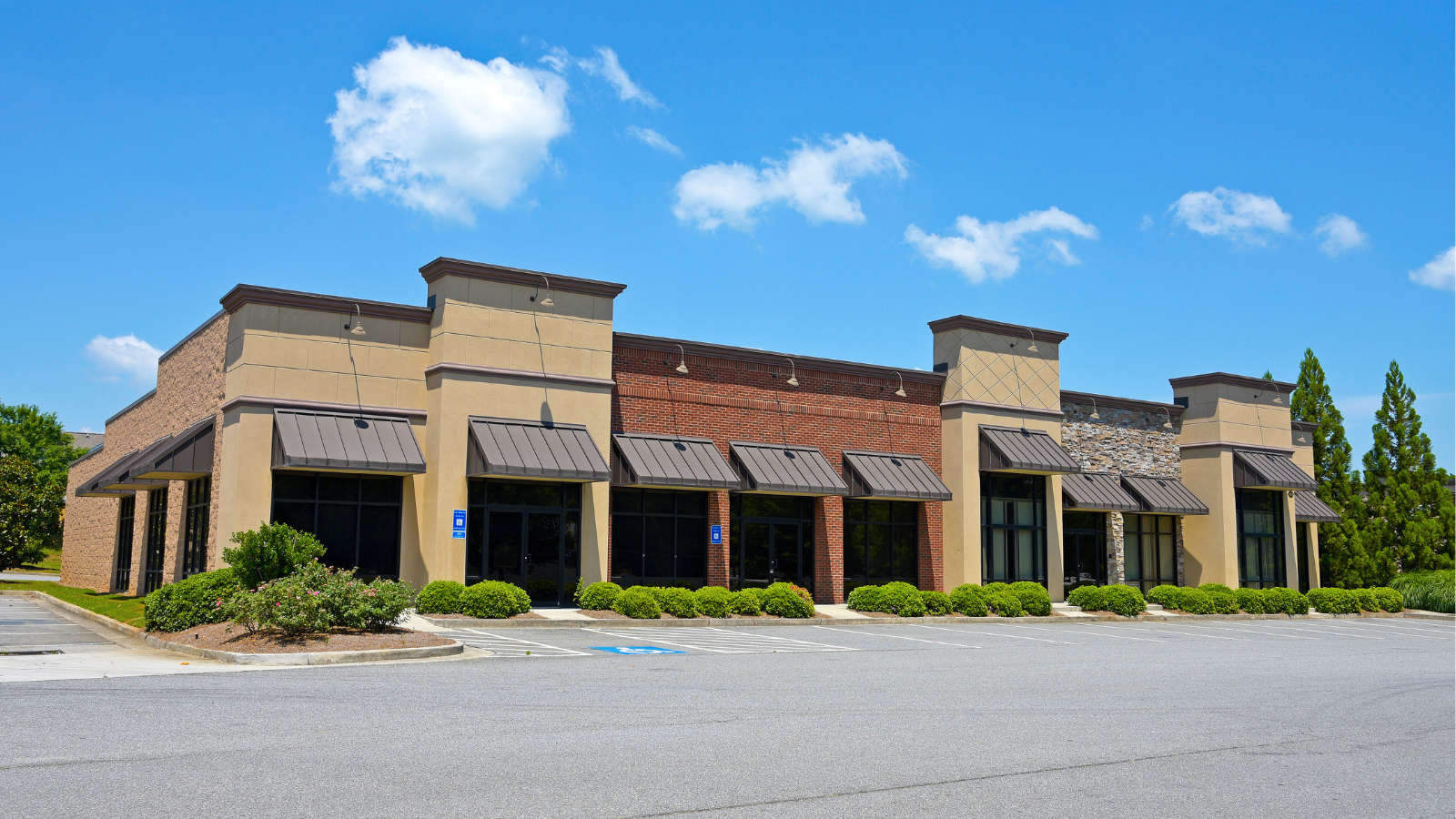
A commercial roof is one of the most important protective systems on your property. Day after day, it shields the building, equipment, inventory, employees, customers, and interior spaces from rain, snow, wind, heat, and changing temperatures.
Unfortunately, commercial roofing problems are not always obvious. A small membrane puncture can allow moisture into insulation without immediately producing a visible interior leak. Drainage problems can leave water standing on the roof. Flashing can deteriorate around rooftop equipment, while repeated repairs may indicate that the roofing system is approaching the point where replacement deserves consideration.
Recognizing commercial roof replacement signs early gives property owners an opportunity to address problems before they become more extensive.
At Elkhart County Roofing, we provide professional commercial roofing services throughout Elkhart, Bristol, Goshen, Granger, Howe, La Porte, LaGrange, Ligonier, Michigan City, Middlebury, Mishawaka, Nappanee, Shipshewana, South Bend, Wakarusa, Fort Wayne, Edwardsburg, Kalamazoo, Niles, and Rochester.
Why Commercial Roof Problems Require Prompt Attention
Commercial roofing systems can cover large areas, and many commercial buildings use low slope or flat roofing designs.
These roofs require effective drainage and properly installed membranes, seams, flashing, penetrations, and other components to manage moisture.
A relatively small problem can become more serious if water moves beneath the roofing surface.
Moisture may eventually affect:
- Roof insulation
- Roof decking
- Structural components
- Ceilings
- Interior walls
- Electrical systems
- Equipment
- Inventory
This is why identifying commercial roof replacement signs should be part of routine building maintenance rather than something property owners consider only after a major leak develops.
Sign #1: Recurring Roof Leaks
An occasional isolated leak does not automatically mean a commercial roof requires replacement.
Recurring leaks are different.
If repairs are completed but leaks continue appearing in the same or different areas, the roofing system may have broader problems.
Repeated leaks can indicate:
- Aging roofing materials
- Deteriorated seams
- Damaged flashing
- Wet insulation
- Membrane deterioration
- Drainage problems
- Multiple roof penetrations
At some point, repeatedly repairing individual leaks may become less practical than addressing the roofing system more comprehensively.
A professional commercial roof inspection can help determine whether the leaks are isolated or part of a larger pattern.
Sign #2: Multiple Interior Water Stains
Water stains on ceilings or walls should never be ignored.
They may appear as:
- Brown or yellow discoloration
- Dark patches
- Peeling paint
- Bubbling finishes
- Damp ceiling tiles
- Dripping water
One challenge with commercial roof leaks is that the interior stain may not be directly below the source.
Water can travel along decking, structural components, insulation, or other surfaces before becoming visible.
If water stains continue appearing throughout the building, they may be among the commercial roof replacement signs that indicate widespread moisture intrusion.
Sign #3: Ponding Water
Commercial roofs need effective drainage.
After rainfall, water should move toward drains, gutters, scuppers, or other drainage components.
When water remains on the roof for an extended period, it is often referred to as ponding water.
Possible causes include:
- Blocked drains
- Poor roof slope
- Settled insulation
- Structural movement
- Improper installation
- Damaged drainage components
Standing water can place additional stress on the roof and may accelerate deterioration in vulnerable areas.
The solution depends on why the water is accumulating.
Cleaning a blocked drain may solve one problem, while widespread drainage or structural issues may require more extensive work.
Sign #4: Damaged Roofing Membrane
Many commercial roofing systems depend on a membrane to protect the building from water.
The membrane may develop:
- Cracks
- Tears
- Punctures
- Open seams
- Blisters
- Wrinkles
- Surface deterioration
Minor isolated damage may be repairable.
However, widespread membrane deterioration may indicate that the roof is reaching the point where replacement should be evaluated.
Visible membrane deterioration is one of the more important commercial roof replacement signs because the membrane serves as a primary barrier against water intrusion.
Sign #5: Open or Failing Seams
Commercial roofing materials often contain seams where sections meet.
Properly installed seams help maintain a continuous waterproof surface.
Over time, seams may become vulnerable because of:
- Material aging
- Temperature movement
- Improper installation
- Foot traffic
- Storm damage
- Moisture
- Previous repairs
Once seams begin opening, water may enter beneath the roofing system.
A few isolated seam problems may be repairable. Widespread seam failure may suggest broader deterioration.
Sign #6: Blistering or Bubbling
Bubbles or raised areas on the roofing surface can indicate trapped air or moisture beneath the membrane.
The severity can vary.
Some conditions may remain stable, while others may worsen and eventually create openings or weak areas.
Do not puncture roofing blisters yourself.
Opening the membrane can create a direct path for water.
A commercial roofing contractor can inspect the affected areas and determine whether repair is appropriate.
Sign #7: Cracks and Splits
Roofing materials experience repeated expansion and contraction as temperatures change.
Over time, aging materials may lose flexibility and become more susceptible to cracking.
Cracks may develop around:
- Seams
- Flashing
- Roof edges
- Penetrations
- High traffic areas
Small cracks can allow moisture into the roofing assembly.
If cracking appears across large areas, it may be one of the commercial roof replacement signs that the material is no longer performing as intended.
Sign #8: Damaged Flashing
Commercial roofs often contain numerous transitions and penetrations.
Flashing may be installed around:
- HVAC equipment
- Vents
- Pipes
- Skylights
- Roof edges
- Parapet walls
- Other penetrations
These areas require careful waterproofing.
Damaged, loose, or deteriorated flashing can create pathways for moisture.
Because flashing problems can sometimes be repaired independently, damage does not always require complete roof replacement.
However, widespread flashing deterioration combined with an aging roofing system may influence the repair versus replacement decision.
Sign #9: Problems Around Rooftop HVAC Equipment
Commercial buildings often contain rooftop heating, ventilation, and air conditioning equipment.
Every penetration through the roof creates an area that requires proper sealing and flashing.
Roof problems may develop when:
- Flashing deteriorates
- Equipment is replaced
- Contractors damage roofing materials
- Sealants fail
- Water collects around curbs
Areas around HVAC equipment should be included during routine commercial roof inspections.
Leaks near rooftop equipment may require coordination between roofing and mechanical professionals depending on the source.
Sign #10: Wet or Damaged Roof Insulation
One of the more concerning commercial roofing problems can occur beneath the visible surface.
Water entering through damaged membrane, flashing, or seams may become trapped within roof insulation.
Wet insulation can affect roofing performance and may contribute to continued deterioration.
Potential warning signs include:
- Persistent leaks
- Unusual interior moisture
- Soft roof areas
- Repeated repairs in the same location
Determining the extent of moisture may require professional evaluation.
Widespread wet insulation can be among the commercial roof replacement signs that support considering a more comprehensive roofing project.
Sign #11: Soft or Spongy Areas
A commercial roof should not feel unusually soft or unstable underfoot.
Professional roofers who encounter soft areas during inspection may investigate for:
- Wet insulation
- Damaged decking
- Moisture intrusion
- Deteriorated materials
Property owners should not walk across questionable roof areas themselves.
If structural materials beneath the surface have deteriorated, walking on them may be unsafe.
Soft areas deserve prompt professional evaluation.
Sign #12: Roof Drainage Problems
Drainage is particularly important on low slope commercial roofs.
Problems may include:
- Clogged drains
- Damaged scuppers
- Blocked gutters
- Poor slope
- Debris accumulation
- Standing water
Water should have a clear path away from the roof.
Routine maintenance can prevent many drainage problems, but recurring ponding may indicate a design, insulation, or structural issue that requires more than cleaning.
Drainage concerns should be considered alongside other commercial roof replacement signs when evaluating the overall condition of the system.
Sign #13: Increasing Repair Frequency
Every commercial roof will occasionally need maintenance or repair.
The concern begins when repairs become frequent.
Ask yourself:
Are leaks appearing more often?
Are new membrane problems developing soon after previous repairs?
Are maintenance expenses increasing each year?
Are multiple parts of the roof failing at the same time?
Repeated repairs may indicate that individual fixes are no longer addressing the larger problem.
A professional contractor can compare the condition of the roof with the likely scope of future repairs and help determine whether replacement should be considered.
Sign #14: Rising Maintenance Costs
Repair frequency and maintenance costs often increase together as a roof ages.
Continuing to invest in short term repairs may make sense when the roof remains fundamentally sound.
However, repeated spending on an extensively deteriorated roofing system may provide diminishing value.
Property owners should consider:
- Current roof condition
- Repair history
- Roof age
- Number of leaks
- Extent of moisture
- Future building plans
- Cost of ongoing disruption
Replacement is a larger investment, but there are situations where it may offer a more practical long term approach.
Sign #15: The Roof Is Approaching the End of Its Expected Service Life
Different commercial roofing materials have different expected service lives.
Actual longevity depends on many factors, including:
- Material type
- Installation quality
- Maintenance
- Weather exposure
- Drainage
- Foot traffic
- Building conditions
Age alone does not determine whether replacement is necessary.
A well maintained older roof may continue performing adequately, while a poorly installed younger roof may experience serious problems.
However, roof age becomes increasingly important when combined with other commercial roof replacement signs such as leaks, seam failure, moisture, and widespread deterioration.
Sign #16: Storm Damage
Northern Indiana and nearby Michigan communities can experience severe weather that affects commercial roofs.
Storm-related problems may include:
- Wind damage
- Hail impacts
- Punctures
- Loose flashing
- Damaged rooftop equipment
- Debris impact
- Drainage blockages
Large commercial roof surfaces can experience damage that is difficult to identify from ground level.
After significant weather, a professional inspection can help determine whether the roof sustained damage.
Sign #17: Wind Damage
Strong winds can place significant pressure on roof edges, flashing, membrane sections, and other vulnerable components.
Wind may cause:
- Lifted materials
- Loose flashing
- Damaged seams
- Detached edge components
- Membrane tears
Some wind damage may be subtle.
Materials can move during the storm and then settle back into position, leaving weakened connections that are difficult to identify without close inspection.
Sign #18: Hail Damage
Hail can affect different commercial roofing materials in different ways.
Depending on the roof, hail may contribute to:
- Surface damage
- Punctures
- Cracking
- Damaged flashing
- Dented metal components
- Damage around rooftop equipment
Not every hailstorm results in roof replacement.
A professional inspection is necessary to evaluate the type, location, and extent of damage.
When hail damage is widespread across an aging roof, it may become one of several commercial roof replacement signs considered during the evaluation.
Sign #19: Interior Mold or Musty Odors
Unusual odors inside a commercial building can sometimes indicate hidden moisture.
Water entering through the roof may become trapped in:
- Insulation
- Ceiling materials
- Walls
- Other building components
Moisture can contribute to conditions where mold may develop.
Because many factors can cause interior moisture, a roof should not automatically be blamed.
However, unexplained dampness combined with roofing problems deserves investigation.
Sign #20: Visible Daylight Through Roof Openings
Unexpected daylight visible from inside the building can indicate an opening in the roofing or structural system.
Potential causes may include:
- Punctures
- Damaged decking
- Failed penetrations
- Storm damage
- Deteriorated materials
Visible openings require prompt evaluation because they may allow water, pests, and outdoor air into the building.
Sign #21: Damaged Roof Edges
Commercial roof edges can be particularly vulnerable to wind.
Inspectors may look for:
- Loose edge metal
- Damaged flashing
- Open seams
- Missing components
- Signs of movement
Once wind gets beneath loose material, it can place additional pressure on surrounding areas.
Maintaining roof edges is therefore an important part of commercial roof care.
Sign #22: Repeated Problems in the Same Area
If the same area continues leaking despite repeated repairs, the underlying cause may not have been fully addressed.
Possible causes include:
- Trapped moisture
- Damaged insulation
- Drainage problems
- Structural movement
- Improper flashing
- Larger membrane failure
Instead of applying another surface repair, the area may require a more comprehensive investigation.
Repeated failure is one of the commercial roof replacement signs that deserves careful attention, particularly when similar problems are occurring elsewhere on the roof.
Repair or Replace: How Do You Decide?
The decision between commercial roof repair and replacement should be based on the overall condition of the system.
Repair may be appropriate when:
- Damage is isolated
- Most roofing materials remain sound
- Moisture has not spread extensively
- The roof is relatively young
- Repairs are expected to provide meaningful service life
Replacement may deserve consideration when:
- Problems are widespread
- Leaks are recurring
- Large areas contain wet insulation
- Membrane deterioration is extensive
- Repair costs continue increasing
- The roofing system is nearing the end of its useful service life
There is no single warning sign that automatically means every commercial roof requires replacement.
The best decision is based on inspection findings and the property’s needs.
Why Commercial Roof Inspections Matter
Commercial roofing problems can develop without obvious interior symptoms.
Routine inspections can help identify problems while they are still manageable.
A professional commercial roof inspection may evaluate:
- Membrane condition
- Seams
- Flashing
- Drainage
- Roof edges
- Penetrations
- HVAC curbs
- Vents
- Surface damage
- Previous repairs
Documenting changes over time can also help property owners understand how quickly the roof is deteriorating.
When Should a Commercial Roof Be Inspected?
Inspections can be particularly valuable after:
- Severe thunderstorms
- High winds
- Hail
- Heavy snow
- Falling debris
- Significant rooftop work
Periodic inspections are also useful as part of routine preventive maintenance.
If HVAC technicians, electricians, or other contractors regularly access the roof, additional inspections may help identify accidental punctures or damage.
Keep Commercial Roof Drains Clear
One of the simplest preventive maintenance tasks is keeping drainage systems free of debris.
Leaves, branches, trash, and other materials can block:
- Drains
- Scuppers
- Gutters
- Downspouts
Blocked drainage can cause water to remain on the roof.
Property managers should establish a routine for checking drainage areas, particularly after storms or during seasons with heavy leaf accumulation.
Control Rooftop Foot Traffic
Commercial roofs may receive regular foot traffic from maintenance personnel.
Repeated walking can wear roofing materials, particularly when workers do not follow designated pathways.
Consider using appropriate walk pads or designated routes when recommended for the roofing system.
Anyone accessing the roof should avoid dragging tools or equipment across the membrane.
Preventing unnecessary damage can help extend roof performance.
Maintain Records of Repairs
Keeping accurate roofing records can help property owners make better long term decisions.
Records may include:
- Inspection dates
- Repair invoices
- Leak locations
- Photographs
- Warranty information
- Installation records
- Maintenance history
If the same areas repeatedly require repair, these records can reveal patterns.
A detailed history can also make commercial roof replacement signs easier to evaluate objectively.
Consider the Cost of Business Disruption
Commercial roof problems can affect more than the building itself.
Leaks may interfere with:
- Employees
- Customers
- Inventory
- Equipment
- Tenant operations
- Production areas
Emergency repairs may also be more disruptive than a planned roofing project.
Addressing roof deterioration proactively gives property owners more control over scheduling and preparation.
Commercial Roof Replacement Planning
If replacement becomes necessary, planning ahead can make the project easier to manage.
Important considerations may include:
- Roofing material
- Building use
- Drainage
- Insulation
- Rooftop equipment
- Project scheduling
- Tenant or employee access
- Warranty options
- Future maintenance
A professional commercial roofing contractor can inspect the existing system and recommend options appropriate for the building.
Why Local Weather Matters
Commercial roofing systems in Elkhart and surrounding areas must handle changing seasonal conditions.
Properties may experience:
- Heavy rain
- Strong winds
- Hail
- Snow
- Ice
- Summer heat
- Freeze and thaw cycles
Repeated exposure can gradually affect membranes, seams, flashing, fasteners, drainage components, and other roofing materials.
Understanding local conditions helps property owners recognize why preventive maintenance is important.
Why Local Commercial Roofing Experience Matters
Working with a contractor familiar with regional roofing conditions can be valuable.
Local professionals understand how weather patterns may affect commercial properties throughout northern Indiana and nearby Michigan communities.
They are also familiar with common commercial roofing designs and the types of problems that tend to develop over time.
When evaluating commercial roof replacement signs, local experience can help provide useful context about whether a problem appears isolated or part of broader deterioration.
Why Choose Elkhart County Roofing?
At Elkhart County Roofing, we understand that commercial roofing decisions can affect your property, operations, employees, tenants, and long term maintenance budget.
We provide roofing services throughout Elkhart, Bristol, Goshen, Granger, Howe, La Porte, LaGrange, Ligonier, Michigan City, Middlebury, Mishawaka, Nappanee, Shipshewana, South Bend, Wakarusa, Fort Wayne, Edwardsburg, Kalamazoo, Niles, and Rochester.
Our services include commercial roof inspections, roof repair, roof replacement, storm damage restoration, residential roofing, commercial roofing, shingle roofing, and metal roofing.
Our approach begins with understanding the actual condition of the roof.
If a targeted repair makes sense, that should be considered. If deterioration is widespread and replacement is the more practical long term solution, property owners should understand why.
Final Thoughts
Commercial roofing systems rarely fail overnight without warning.
In many cases, there are indicators beforehand.
Recurring leaks, ponding water, damaged membranes, failing seams, wet insulation, deteriorated flashing, soft areas, frequent repairs, drainage problems, and increasing maintenance costs can all indicate that a commercial roof needs professional attention.
Recognizing commercial roof replacement signs early can give property owners more time to evaluate their options rather than waiting for an emergency.
Not every problem means the entire roof needs replacement. Isolated damage may often be repaired when the surrounding system remains in good condition.
The concern increases when several problems begin occurring at the same time.
An aging roof with recurring leaks, widespread membrane deterioration, wet insulation, and increasing repair costs may require a different approach than a relatively new roof with one damaged flashing detail.
Routine inspections, preventive maintenance, proper drainage, controlled roof access, and timely repairs can all help commercial roofing systems perform more effectively.
Most importantly, property owners should avoid waiting for significant interior water damage before scheduling an evaluation.
Many commercial roof replacement signs develop on the roof long before the effects become obvious inside the building.
If you are seeing leaks, standing water, membrane damage, failing seams, or other commercial roof replacement signs, contact Elkhart County Roofing. Our team can inspect your commercial roofing system, explain the condition of the roof, and help you determine whether repair or replacement is the appropriate next step for your property.
