
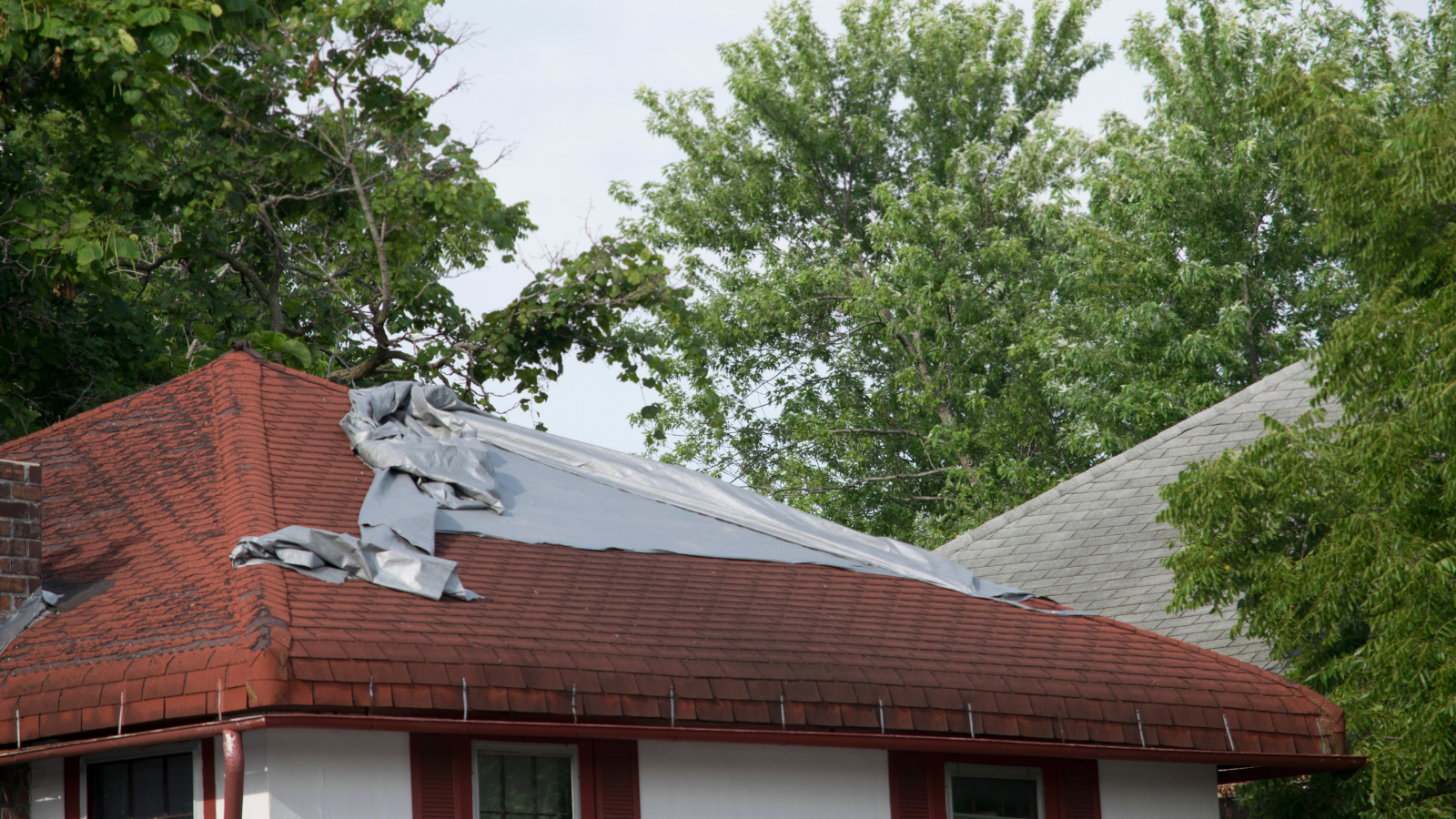
Trees add shade, beauty, privacy, and character to residential properties throughout Elkhart and the surrounding communities. Mature trees can make a yard more comfortable during warm weather and contribute to an attractive landscape. However, trees growing too close to a house can also create problems for the roofing system.
Some problems are obvious. A large branch falling during a storm can break shingles or puncture roof decking. Other issues develop much more gradually. Leaves can clog gutters, small branches can scrape against shingles, excess shade can allow roofing surfaces to stay damp longer, and tree debris can accumulate in valleys where rainwater needs to flow freely.
Understanding tree-related roof damage can help homeowners enjoy the benefits of their landscaping without unnecessarily putting their roofs at risk.
At Elkhart County Roofing, we help homeowners throughout Elkhart, Bristol, Goshen, Granger, Howe, La Porte, LaGrange, Ligonier, Michigan City, Middlebury, Mishawaka, Nappanee, Shipshewana, South Bend, Wakarusa, Fort Wayne, Edwardsburg, Kalamazoo, Niles, and Rochester maintain roofing systems designed to protect their homes through changing Midwest weather.
How Trees Can Affect a Roofing System
A healthy tree located an appropriate distance from a house does not automatically present a roofing problem.
Trouble typically begins when branches grow directly over the roof, trees become damaged or diseased, or debris is allowed to accumulate.
Trees can affect roofing through several different mechanisms, including falling limbs, abrasion, moisture retention, clogged drainage systems, animal access, and storm debris.
The effects may involve more than shingles.
Tree problems can potentially affect:
- Roof coverings
- Flashing
- Roof decking
- Gutters
- Downspouts
- Soffit
- Fascia
- Roof vents
- Siding
Preventing tree-related roof damage therefore requires homeowners to think about the entire roof and drainage system rather than shingles alone.
Falling Branches Can Cause Immediate Roof Damage
One of the most serious tree hazards is a falling branch.
Strong winds, thunderstorms, snow, ice, disease, and natural deterioration can cause limbs to break.
A large branch can damage several layers of the roofing system at once.
Depending on the size and force of impact, damage may include cracked shingles, punctured underlayment, broken decking, bent flashing, damaged gutters, or structural concerns.
Smaller branches can also cause damage.
A branch does not need to penetrate the roof completely to compromise roofing materials.
After any significant branch impact, homeowners should have the affected area professionally evaluated.
Storms Increase the Risk From Nearby Trees
Trees that appear stable during ordinary weather can behave very differently during severe storms.
Strong wind places significant pressure on trunks and branches. Saturated soil may also reduce the stability of tree roots.
Storm conditions can send branches onto:
- Roof surfaces
- Gutters
- Chimneys
- Skylights
- Siding
- Vehicles
- Other exterior structures
Homes surrounded by mature trees should receive particular attention after strong storms.
Visible damage may only represent part of the problem. An impact can loosen materials or crack roofing components without creating an obvious hole.
Professional evaluation after severe weather can help identify tree-related roof damage that may be difficult to recognize from the ground.
Overhanging Branches Can Scrape Shingles
Not all tree damage happens suddenly.
Branches hanging directly over the roof may move back and forth during windy conditions.
If they contact the roofing surface repeatedly, they can gradually wear away protective materials.
On asphalt shingles, repeated abrasion may contribute to granule loss.
Those granules help protect the underlying asphalt from sunlight and weather.
Once significant granule loss occurs, shingles may become more vulnerable to continued deterioration.
Homeowners who hear branches scraping against the roof during windy weather should consider having the tree professionally trimmed.
Leaves Can Clog Gutters
Falling leaves are another common roofing concern.
Gutters are designed to collect water from the roof and move it through downspouts.
When leaves accumulate, water flow can become restricted.
Clogged gutters may lead to:
- Overflowing water
- Standing water
- Sagging gutters
- Wet fascia
- Soffit damage
- Foundation drainage problems
During freezing weather, trapped water may turn into ice and add additional weight to the gutter system.
Keeping gutters clear is one of the simplest ways homeowners can reduce tree-related roof damage.
Tree Debris Can Block Roof Valleys
Roof valleys are areas where two roof slopes meet.
They handle substantial amounts of water during rainfall because runoff from multiple roof sections moves toward them.
Leaves, twigs, pine needles, seed pods, and other tree debris may accumulate in valleys.
When debris prevents water from draining efficiently, moisture can remain on the roofing surface longer.
The accumulated material may also hide damaged shingles or flashing.
Keeping valleys clear can help maintain proper drainage and make roofing problems easier to identify.
Homeowners should avoid climbing onto steep roofs to remove debris themselves. A roofing professional can safely inspect and clean areas that are difficult to access.
Shade Can Keep Roofing Materials Damp
Shade can be beneficial during hot weather, but excessive shade can also affect how quickly roofing surfaces dry.
Areas that receive limited sunlight may stay damp longer after rain, snow, or morning moisture.
Persistent moisture combined with organic debris can create conditions favorable to moss or algae growth.
The issue is not simply that a shaded roof looks different.
Moisture remaining against roofing materials for extended periods may contribute to deterioration, particularly when other problems such as debris accumulation are present.
Managing branches and keeping the roof clean can help improve drying conditions.
Moss Growth Can Affect Roof Surfaces
Moss can grow in damp, shaded areas, particularly where leaves and other organic material remain on the roof.
Moss can retain moisture against shingles.
As it becomes established, growth may also affect shingle edges.
Homeowners should avoid aggressively scraping moss or using high pressure washing methods on asphalt shingles. These approaches may remove protective granules or otherwise damage the material.
Appropriate cleaning methods depend on the roofing material and its condition.
If moss is widespread, a professional can evaluate whether cleaning is appropriate or whether underlying roofing damage is present.
Algae and Roof Discoloration
Dark streaks on a roof may sometimes be associated with algae rather than structural damage.
Although discoloration may initially be cosmetic, homeowners should avoid assuming every dark area is harmless.
A professional roof evaluation can help distinguish staining from deteriorated materials, moisture problems, or other roofing concerns.
Trees can contribute indirectly by creating shade and reducing how quickly roof surfaces dry.
Maintaining surrounding vegetation is therefore one part of reducing conditions associated with tree-related roof damage and roof surface growth.
Falling Nuts, Pinecones, and Small Debris
Large branches are not the only materials that can reach a roof.
Depending on the trees around the property, roofs may regularly receive:
- Nuts
- Pinecones
- Seeds
- Bark
- Small branches
- Leaves
Most small debris will not seriously damage a healthy roof after a single impact.
However, repeated accumulation can interfere with drainage or create areas where moisture and organic material remain trapped.
Regular inspections and appropriate cleaning can help keep the roof clear.
Tree Limbs Can Damage Gutters
Branches falling near the edge of the roof often strike gutters before reaching anything else.
Impact can:
- Bend gutter sections
- Break hangers
- Change gutter slope
- Separate seams
- Damage downspouts
- Pull gutters away from fascia
A damaged gutter may no longer direct water correctly.
During heavy rain, water can overflow onto fascia, soffit, siding, landscaping, or areas near the foundation.
Gutter inspection should therefore be part of any assessment for tree-related roof damage.
Tree Impacts Can Damage Roof Flashing
Flashing protects vulnerable areas where roofing materials meet walls, chimneys, valleys, vents, and other structures.
Falling branches or debris can bend or loosen these components.
Even a relatively small opening may allow rainwater beneath the roofing system.
Flashing damage is especially important because it can be difficult to see from ground level.
If a branch strikes an area near a chimney, roof valley, vent, or wall intersection, have the flashing inspected.
Roof Vents Can Be Damaged by Debris
Roof vents project above the roofing surface and can be vulnerable to falling limbs.
Impact may crack vent covers, loosen fasteners, or damage seals around the base.
A damaged vent can allow water into the attic even when surrounding shingles remain intact.
Professional inspections after tree impacts should include roof penetrations and ventilation components.
Tree Damage May Reach the Roof Decking
The roof decking sits beneath the outer roofing materials and provides structural support.
A heavy limb can potentially damage both shingles and decking.
Signs may include:
- Visible depressions
- Sagging
- Soft areas
- Interior cracking
- Water intrusion
Decking damage cannot always be fully evaluated from outside.
If a substantial limb lands on the roof, professional inspection is recommended even if the branch does not create an obvious hole.
Serious tree-related roof damage may require removing affected roofing materials so the layers underneath can be evaluated and repaired.
Hidden Damage After a Branch Impact
A common mistake is assuming the roof is fine because a fallen branch did not penetrate it.
Impact may still cause hidden problems.
A branch may:
- Crack shingles
- Break adhesive seals
- Loosen fasteners
- Damage underlayment
- Bend flashing
- Weaken decking
These problems may not cause an immediate leak.
Instead, water may enter during future storms after the affected materials experience additional weather exposure.
Professional inspection can help identify damage before interior symptoms appear.
Watch for Interior Warning Signs
Sometimes the first evidence of roof damage appears inside the home.
After a tree or branch impacts the roof, monitor ceilings and attic areas for signs such as:
- Water stains
- Damp insulation
- Musty odors
- Peeling paint
- Wet wood
- Unusual ceiling discoloration
- Visible daylight in the attic
Water may travel along decking or framing before becoming visible.
This means the interior stain may not be directly beneath the exterior damage.
Trees Can Give Animals Easier Roof Access
Branches that extend close to the roof may create convenient pathways for squirrels and other small animals.
Animals may then explore roof edges, gutters, vents, soffits, or existing openings.
Although a healthy roofing system should provide substantial protection, existing weaknesses may become more vulnerable to animal activity.
Keeping branches appropriately trimmed away from the house can reduce direct access.
If you notice damaged soffit, disturbed vents, or other signs of entry, both the exterior opening and any underlying roofing problem should be evaluated.
Tree Roots and the Home
Tree roots do not typically cause direct roof damage, but the location and health of a tree can still influence overall property risk.
Trees growing too close to structures may eventually require evaluation because of their size, root development, stability, or potential to fall.
Homeowners concerned about tree health or structural stability should consult a qualified tree professional.
Roofing contractors can evaluate roof damage, while tree professionals are better suited to assessing the condition and safety of the tree itself.
Signs a Tree May Present a Roofing Risk
Homeowners can periodically inspect trees from the ground.
Potential concerns may include:
- Dead branches
- Cracked limbs
- Large branches hanging directly over the roof
- Significant trunk damage
- Visible decay
- Unusual leaning
- Broken branches caught in the canopy
These conditions do not automatically mean the tree needs to be removed.
A qualified tree professional can determine whether pruning, treatment, or removal is appropriate.
Taking action before severe weather arrives may reduce the risk of tree-related roof damage.
How Far Should Branches Be From the Roof?
There is no single distance that applies perfectly to every property or tree.
Factors include:
- Tree species
- Branch size
- Growth rate
- Roof height
- Tree health
- Local conditions
The main goal is to prevent branches from contacting roofing materials and to reduce the risk posed by large overhanging limbs.
Professional tree trimming can create appropriate clearance while protecting tree health.
Avoid cutting major branches without understanding how pruning may affect the tree.
Why Professional Tree Trimming Matters
Improper trimming can damage trees and create additional hazards.
Removing large branches requires knowledge of:
- Branch weight
- Cutting techniques
- Fall direction
- Tree structure
- Nearby buildings
- Utility lines
Large branches above a house should generally be handled by qualified professionals.
Attempting to cut a heavy limb while standing on the roof or ladder can create serious safety risks and may cause additional property damage.
Keep Gutters Clean Throughout the Year
Homes surrounded by trees may require more frequent gutter maintenance.
Do not assume gutters only need attention in autumn.
Some trees release flowers, seeds, bark, or small branches during spring and summer.
Check gutters periodically and after major storms.
Watch for:
- Standing water
- Overflow
- Sagging
- Loose sections
- Blocked downspouts
Keeping the drainage system clear can significantly reduce moisture related tree-related roof damage.
Inspect the Roof After Severe Weather
After a major storm, walk around your property from a safe location.
Look for:
- Fallen branches
- Missing shingles
- Roofing debris
- Damaged gutters
- Dented exterior components
- Loose siding
- Tree limbs resting on the roof
Do not climb onto a storm damaged roof yourself.
Wet roofing surfaces, loose granules, hidden structural damage, and debris can make the roof unsafe.
Professional roofers have appropriate equipment and experience to inspect damaged areas more safely.
What to Do if a Tree Falls on Your Roof
If a large tree or branch falls onto your home, prioritize personal safety.
Stay away from the damaged area, particularly if you notice structural movement, electrical hazards, or significant water intrusion.
Do not attempt to remove a large tree from the roof yourself.
Depending on the situation, appropriate tree removal professionals and roofing professionals may both be required.
Once the area is safe, the roof should be evaluated for visible and hidden damage.
Repairs should address every affected layer rather than simply covering the exterior opening.
How Tree Related Roof Repairs Are Handled
The appropriate repair depends on the extent of damage.
Minor tree-related roof damage may involve replacing a limited number of shingles or repairing a gutter section.
More significant damage may require:
- Shingle replacement
- Underlayment repair
- Decking replacement
- Flashing repair
- Gutter replacement
- Soffit or fascia repair
- Roof vent replacement
If damage affects a large portion of an older roof, replacement may sometimes be more practical than extensive individual repairs.
A professional inspection can help determine the appropriate approach.
Repair vs. Roof Replacement
Not every branch impact means the entire roof must be replaced.
Repair may be appropriate when damage is isolated and the surrounding roofing system remains in good condition.
Factors contractors may consider include:
- Roof age
- Extent of impact
- Condition of decking
- Number of damaged shingles
- Existing deterioration
- Availability of compatible materials
Replacement may be considered when damage is widespread or the existing roof already has significant deterioration.
The recommendation should be based on actual roof conditions.
Document Storm and Tree Damage
If a storm damages your property, safely document what you can from the ground.
Photographs may include:
- Fallen branches
- Tree debris
- Visible missing shingles
- Damaged gutters
- Exterior impact marks
- Interior water stains
Avoid climbing onto the roof solely to take photographs.
A professional roofer can document rooftop findings during an inspection.
Homeowners Insurance and Tree Damage
Some sudden tree and storm related damage may be covered by homeowners insurance, depending on the policy and circumstances.
Coverage varies.
Factors may include the cause of damage, policy terms, deductible, maintenance history, and exclusions.
Homeowners should contact their insurance provider directly to understand their specific coverage.
A roofing contractor can inspect and document tree-related roof damage, but the insurer determines whether a particular claim qualifies for coverage.
Be cautious of anyone who guarantees insurance approval before the insurance company has evaluated the claim.
Preventing Tree Related Roof Problems
Prevention begins with routine attention to both the roof and surrounding landscaping.
A practical approach includes keeping branches from contacting the roof, monitoring mature trees, cleaning gutters, removing debris from roof valleys, addressing roofing problems promptly, and scheduling inspections when needed.
The goal is not to eliminate every tree around your property.
Instead, proper maintenance allows homeowners to enjoy mature landscaping while reducing avoidable roofing risks.
Schedule Regular Roof Inspections
Roof problems are often easier to manage when discovered early.
Professional inspections can identify:
- Damaged shingles
- Loose flashing
- Gutter problems
- Debris accumulation
- Moisture concerns
- Roof edge damage
- Vent problems
For homes surrounded by mature trees, inspections may be particularly useful after severe storms or when branches have contacted the roof.
Identifying tree-related roof damage early may prevent moisture from reaching deeper roofing components.
Maintain Roof Valleys
Because valleys collect runoff from multiple roof slopes, they should remain clear.
Tree debris can slow water movement and trap moisture.
Homeowners should visually monitor valleys from the ground when possible.
If significant debris is present in an area that cannot be safely accessed, contact a professional.
Avoid using tools that may scrape or damage roofing materials.
Maintain Proper Drainage
Roof drainage involves more than removing leaves.
Gutters should remain securely attached and properly sloped.
Downspouts should be open and direct water away from the house.
If tree debris repeatedly blocks one area, more frequent maintenance may be required.
Good drainage helps protect the roof edge, fascia, soffit, siding, landscaping, and foundation.
Do Not Ignore Small Branches on the Roof
After a storm, homeowners sometimes remove visible debris from the yard but overlook smaller branches resting on the roof.
Even when a branch did not cause impact damage, leaving it in place may interfere with drainage or trap moisture.
Do not climb onto steep or wet roofing surfaces to retrieve debris.
If materials cannot be safely removed, a professional can help.
Why Roof Maintenance Matters Before Storm Season
A roof with existing weaknesses may be more vulnerable when severe weather arrives.
Before periods of frequent thunderstorms, address known problems such as:
- Loose shingles
- Damaged flashing
- Clogged gutters
- Sagging gutters
- Deteriorated fascia
- Existing leaks
Combining roof maintenance with responsible tree care can reduce opportunities for storms to turn minor concerns into more extensive tree-related roof damage.
Why Local Roofing Experience Matters
Weather throughout northern Indiana and nearby Michigan communities can place substantial stress on both roofs and trees.
Homes may experience strong thunderstorms, wind, heavy rain, snow, ice, freezing temperatures, and seasonal temperature changes.
These conditions can weaken branches, increase debris accumulation, and expose existing roofing problems.
A local roofing contractor understands how regional weather affects common roofing systems and can evaluate damage within that context.
Why Choose Elkhart County Roofing?
At Elkhart County Roofing, we understand that your roofing system does not exist separately from the rest of your property.
Trees, gutters, drainage, ventilation, flashing, and roofing materials all influence how effectively your home handles changing weather.
We proudly serve homeowners in Elkhart, Bristol, Goshen, Granger, Howe, La Porte, LaGrange, Ligonier, Michigan City, Middlebury, Mishawaka, Nappanee, Shipshewana, South Bend, Wakarusa, Fort Wayne, Edwardsburg, Kalamazoo, Niles, and Rochester.
Our roofing services include professional inspections, roof repairs, roof replacement, storm damage restoration, residential roofing, commercial roofing, shingle roofing, and metal roofing.
If you are concerned about tree-related roof damage, our team can evaluate the roofing system, identify affected areas, and explain whether repair or replacement is appropriate based on the condition of your home.
Final Thoughts
Trees can be a valuable part of your property, but they need to be managed carefully when they grow near a house.
Falling limbs can cause immediate damage, while overhanging branches, leaves, clogged gutters, trapped moisture, and debris can create gradual roofing problems that are much easier to overlook.
Preventing tree-related roof damage begins with regular observation and maintenance.
Keep branches from scraping the roof. Have dangerous limbs professionally trimmed. Monitor mature trees for signs of deterioration. Keep gutters and roof valleys clear. Check the property after severe storms. Address damaged roofing materials promptly.
Most importantly, do not assume your roof is undamaged simply because a fallen branch did not create an obvious hole.
Impacts can affect shingles, flashing, underlayment, decking, vents, and gutters without being easily visible from the ground.
Professional inspection can help identify tree-related roof damage before hidden weaknesses lead to water intrusion or additional deterioration.
For homeowners throughout Elkhart and surrounding northern Indiana and nearby Michigan communities, proactive tree and roof maintenance can help protect both the beauty of your property and the roofing system that protects your home.
If a branch has recently struck your roof, you notice trees growing too close to the house, or you are concerned about possible tree-related roof damage, contact Elkhart County Roofing. Our team can inspect your roofing system, explain what we find, and recommend practical repair or replacement options designed to keep your home protected throughout the year.
