
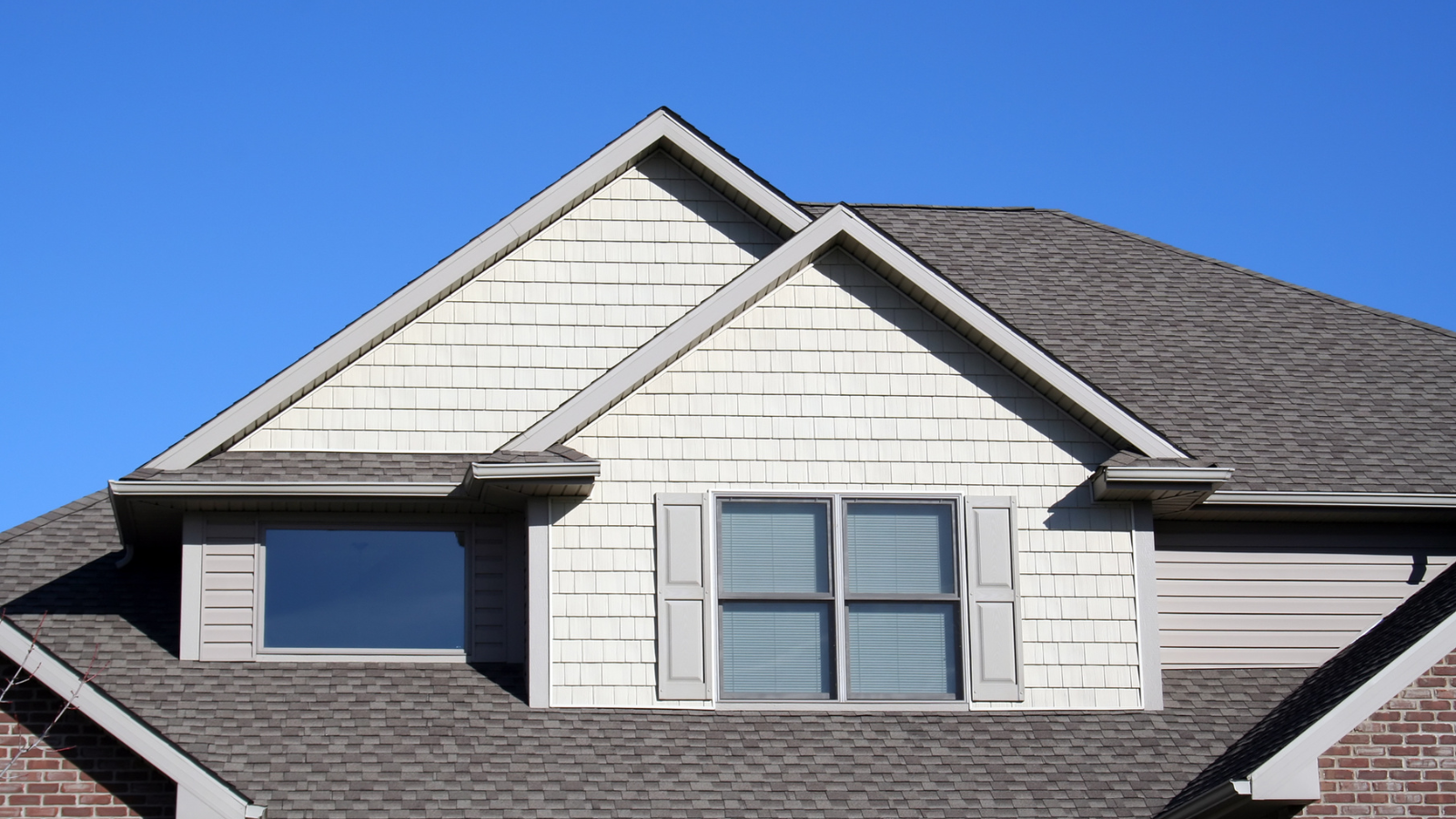
Severe weather can leave homeowners dealing with missing shingles, damaged siding, dented gutters, roof leaks, fallen branches, and hidden moisture problems. When a storm hits, the pressure to act quickly can make it tempting to hire the first company that offers help.
However, choosing the right contractor after storm damage is one of the most important decisions you can make for your home.
A dependable local storm damage contractor understands the weather conditions, building styles, roofing materials, and common storm-related problems found throughout northern Indiana and nearby Michigan communities. Local contractors are also more familiar with regional permitting requirements, inspection processes, and the types of damage homeowners are most likely to experience.
For homeowners in Elkhart, Bristol, Goshen, Granger, Howe, La Porte, LaGrange, Ligonier, Michigan City, Middlebury, Mishawaka, Nappanee, Shipshewana, South Bend, Wakarusa, Fort Wayne, Edwardsburg, Kalamazoo, Niles, and Rochester, working with a contractor who knows the area can make the restoration process more organized and less stressful.
At Elkhart County Roofing, we help homeowners assess storm damage, understand repair options, and restore their roofs and exterior systems with dependable workmanship and clear communication.
Why Storm Damage Requires Professional Attention
Storm damage is not always obvious.
Some problems can be seen immediately, such as:
- Missing shingles
- Fallen branches
- Broken gutters
- Torn siding
- Dented metal
- Damaged roof vents
- Loose flashing
Other problems may remain hidden, including:
- Shingle bruising
- Loosened seals
- Small punctures
- Water beneath roofing materials
- Damaged underlayment
- Cracked flashing
- Moisture in the attic
- Roof decking damage
These hidden issues may not cause immediate leaks, but they can weaken the roofing system over time.
A professional inspection can help identify both visible and less obvious concerns.
Working with a local storm damage contractor gives homeowners access to professionals who understand how regional storms affect local homes.
Why Local Experience Matters
Storm damage looks different depending on climate, geography, and building styles.
Northern Indiana and nearby Michigan communities experience:
- Thunderstorms
- High winds
- Hail
- Heavy rain
- Snow
- Ice
- Freeze and thaw cycles
- Falling branches
- Temperature changes
A contractor familiar with the region understands how these conditions affect shingles, metal roofs, siding, gutters, flashing, and ventilation systems.
This experience helps contractors recognize patterns that may be missed by companies unfamiliar with the area.
A local storm damage contractor is more likely to know what types of materials perform well locally and what damage homeowners should watch for after severe weather.
Faster Response After Storms
After a major storm, homeowners often need inspections and temporary protection quickly.
A local contractor can usually respond more efficiently because crews, equipment, and materials are already based nearby.
Faster response can help reduce additional damage.
For example, if a roof has been punctured by a branch or shingles have been torn away, temporary protection may be needed before the next rain.
A local storm damage contractor can often provide quicker inspections, emergency repairs, or temporary coverings than an out-of-area company.
This can make a meaningful difference when weather remains unsettled.
Familiarity With Local Building Requirements
Roofing and exterior restoration projects may need to meet local building codes and permit requirements.
These regulations can vary by city, county, and state.
Local contractors regularly work with:
- Municipal building departments
- Local inspectors
- Permit offices
- Regional suppliers
- Manufacturer requirements
- Community construction standards
Because they work in the area regularly, they understand what may be required for a compliant project.
This can help prevent delays and reduce the risk of installation problems.
A qualified local storm damage contractor should be familiar with the requirements that apply to your property.
Better Understanding of Regional Roofing Materials
Different roofing materials react differently to storms.
Asphalt shingles may lose granules, crack, or lift.
Metal roofing may become dented or damaged around seams.
Flashing may loosen.
Gutters may bend or separate from the fascia.
Siding may crack or be punctured.
A contractor who routinely works on local homes understands which materials are common in the area and how those materials respond to storms.
This experience is especially valuable when deciding whether damage can be repaired or whether larger sections need replacement.
Local Contractors Have a Reputation to Protect
One of the strongest reasons to hire locally is accountability.
A local roofing company depends on its reputation in the community.
Satisfied homeowners, referrals, online reviews, and word of mouth all contribute to long-term success.
A contractor who plans to remain in the area has a strong incentive to provide dependable workmanship and customer service.
By comparison, temporary storm-chasing companies may arrive after severe weather, complete projects quickly, and leave the area afterward.
If problems appear later, homeowners may have difficulty reaching them.
Choosing a local storm damage contractor gives you a better chance of working with a company that will still be available after the project is complete.
The Problem With Storm Chasers
Large storms often attract out-of-town contractors.
These companies are sometimes called storm chasers because they travel from one storm-damaged region to another.
Not every out-of-area contractor is unreliable, but homeowners should be cautious.
Potential concerns include:
- Limited local history
- Difficulty obtaining follow-up service
- Unfamiliarity with local requirements
- High-pressure sales tactics
- Limited local references
- Unclear warranty support
- Temporary phone numbers or addresses
Before hiring anyone, verify the company’s business information, insurance, local presence, and references.
A trusted local storm damage contractor should be able to explain the company’s service area and provide clear contact information.
Local Contractors Understand Neighborhood Conditions
Homes in the same region can experience very different storm effects.
One neighborhood may receive severe hail while another nearby area experiences mostly wind.
Trees, roof orientation, building height, terrain, and surrounding structures can also influence damage.
Local contractors often recognize these patterns because they inspect multiple homes throughout nearby communities after major weather events.
This regional familiarity can help them identify likely problem areas more efficiently.
A Thorough Storm Damage Inspection
A storm inspection should include more than a quick look at the shingles.
Professional contractors may evaluate:
- Shingle condition
- Roof valleys
- Flashing
- Ridge caps
- Roof vents
- Pipe boots
- Gutters
- Downspouts
- Siding
- Soffit
- Fascia
- Skylights
- Chimneys
- Attic moisture
- Roof decking
- Interior water stains
The contractor should document findings and explain which issues require attention.
A local storm damage contractor can also help distinguish between normal wear and damage that may have been caused by a recent storm.
Wind Damage to Roofing
High winds can damage roofing even when shingles are not completely missing.
Wind may:
- Lift shingle edges
- Break adhesive seals
- Loosen fasteners
- Tear ridge caps
- Damage flashing
- Pull gutters away from fascia
- Carry debris onto the roof
Lifted shingles may settle back into place, making damage difficult to see from the ground.
However, once the seal is broken, the shingle may become more vulnerable during future storms.
A professional inspection can determine whether shingles have been compromised.
Hail Damage to Roofs
Hail can create damage that varies depending on:
- Hailstone size
- Wind speed
- Roof age
- Roofing material
- Storm duration
- Roof slope
On asphalt shingles, hail may cause:
- Granule loss
- Bruising
- Cracks
- Exposed asphalt
- Damaged fiberglass mats
Hail may also dent gutters, flashing, vents, and metal components.
A trained local storm damage contractor understands what hail damage looks like on common roofing materials.
Heavy Rain and Water Intrusion
Heavy rainfall can reveal weaknesses that were already developing.
Water may enter around:
- Chimneys
- Skylights
- Valleys
- Plumbing vents
- Roof-to-wall intersections
- Damaged shingles
- Loose flashing
Even a small opening can allow water into the roofing system.
Once inside, water may damage:
- Roof decking
- Insulation
- Drywall
- Ceilings
- Electrical components
- Interior finishes
Prompt inspection is important because water damage may spread before homeowners notice visible signs.
Falling Branches and Impact Damage
Storms can cause tree limbs and debris to strike roofs.
Impact damage may include:
- Broken shingles
- Punctured decking
- Bent metal panels
- Damaged gutters
- Cracked siding
- Broken vents
Large branches can also create structural concerns.
If a tree or heavy limb falls onto the roof, homeowners should stay away from the affected area until it has been evaluated.
A local storm damage contractor can help assess the roofing system and recommend the next steps.
Why Documentation Matters
Good documentation can be useful after a storm.
Homeowners should take photographs of visible damage when it is safe to do so.
Professional contractors may also document:
- Missing shingles
- Hail impact marks
- Dented gutters
- Damaged flashing
- Water stains
- Fallen branches
- Siding damage
- Interior leaks
Clear documentation helps homeowners understand the scope of the damage and keep records for future reference.
Working With Your Insurance Company
Homeowners insurance may cover certain types of sudden storm damage, depending on the policy.
Coverage varies based on:
- Cause of damage
- Policy terms
- Roof age
- Maintenance history
- Deductible
- Exclusions
- Filing deadlines
Homeowners should contact their insurance provider directly for coverage information.
A roofing contractor can provide inspection findings, photographs, and repair estimates, but the insurance company determines whether damage is covered.
A reputable local storm damage contractor should explain the roofing condition clearly without making promises about insurance approval.
Why You Should Avoid Signing Too Quickly
After a storm, homeowners may feel pressure to make fast decisions.
Some contractors may encourage immediate contract signing before the homeowner fully understands the work.
Take time to review:
- Scope of work
- Materials
- Warranties
- Payment schedule
- Cleanup plan
- Estimated timeline
- Insurance information
- Contractor contact details
A trustworthy contractor should be willing to answer questions.
Avoid contractors who use fear or urgency to pressure you into signing before you understand the agreement.
Local References Are Easier to Verify
One advantage of hiring locally is the ability to verify previous work.
You may be able to ask for references from homeowners in nearby communities.
You can also review:
- Local online reviews
- Business profiles
- Recent project photos
- Community recommendations
- Manufacturer certifications
Because a local storm damage contractor works in your region, it is easier to confirm whether the company has an established reputation.
Easier Warranty Support
Roofing warranties may include:
- Manufacturer material warranties
- Contractor workmanship warranties
A warranty is valuable only if you can contact the company when a problem occurs.
Local contractors are easier to reach for:
- Warranty questions
- Follow-up inspections
- Minor repairs
- Maintenance
- Future roofing needs
This long-term availability is one of the biggest advantages of choosing a local company.
Better Communication Throughout the Project
Storm restoration often involves several steps.
Homeowners may need updates about:
- Inspection findings
- Material availability
- Project scheduling
- Weather delays
- Repairs
- Cleanup
- Warranty information
Clear communication makes the process easier to understand.
A local storm damage contractor can provide direct support before, during, and after the project.
This personal connection is especially helpful when homeowners are dealing with storm-related stress.
Access to Local Suppliers
Local contractors often maintain relationships with nearby roofing suppliers.
These connections may help with:
- Material availability
- Product selection
- Replacement materials
- Delivery scheduling
- Matching existing roofing products
After a widespread storm, materials can become difficult to obtain.
Established supplier relationships may help local contractors manage these challenges more efficiently.
Knowledge of Local Home Styles
Homes throughout Elkhart County and surrounding communities include many architectural styles.
Contractors may work on:
- Ranch homes
- Traditional two-story homes
- Farmhouses
- Historic properties
- Contemporary homes
- Lake-area properties
- Rural homes
Different designs may require different approaches to flashing, ventilation, drainage, valleys, and roofing materials.
Local experience helps contractors understand these variations.
Storm Damage Can Affect More Than the Roof
Severe weather can damage multiple exterior systems.
A complete inspection may include:
- Roofing
- Siding
- Gutters
- Soffit
- Fascia
- Exterior trim
- Skylights
- Windows
Repairing only the most obvious roof damage may leave other problems unresolved.
A local storm damage contractor with exterior restoration experience can evaluate how these systems work together.
The Importance of Proper Repairs
Temporary repairs are sometimes necessary immediately after a storm.
However, temporary solutions should not replace proper permanent repairs.
For example, tarps and sealants may reduce water intrusion for a short time, but damaged roofing materials still need professional attention.
Permanent repairs may involve:
- Replacing shingles
- Replacing flashing
- Repairing decking
- Replacing pipe boots
- Repairing gutters
- Restoring siding
- Correcting ventilation
A professional contractor should explain which repairs are temporary and which are intended as long-term solutions.
When Roof Replacement May Be Necessary
Not every storm-damaged roof requires replacement.
Repair may be appropriate when damage is limited.
Replacement may be recommended when:
- Damage is widespread
- The roof is near the end of its lifespan
- Multiple areas are leaking
- Decking is damaged
- Matching materials are unavailable
- Previous repairs are failing
A trustworthy contractor should explain why repair or replacement is recommended.
How Local Contractors Support Long-Term Maintenance
Storm restoration should not be the end of the relationship.
Regular roof maintenance can help homeowners protect their investment.
A local contractor can provide:
- Periodic inspections
- Minor repairs
- Gutter checks
- Flashing evaluations
- Storm inspections
- Ventilation assessments
Homeowners who already have a trusted roofing contractor know who to call when future issues appear.
This ongoing support is another advantage of choosing a local storm damage contractor.
Questions to Ask Before Hiring a Storm Damage Contractor
Before selecting a contractor, ask questions such as:
- Are you insured?
- How long have you worked in this area?
- Do you have local references?
- Will I receive a written estimate?
- What materials do you recommend?
- What warranties are included?
- Who supervises the work?
- How will cleanup be handled?
- How do you address unexpected damage?
- Will you inspect the complete roof system?
Clear answers can help you compare companies and make a more informed decision.
Warning Signs of an Unreliable Contractor
Homeowners should be cautious when a contractor:
- Pressures you to sign immediately
- Cannot provide proof of insurance
- Does not provide written estimates
- Has no verifiable business address
- Demands unusually large upfront payments
- Cannot provide local references
- Makes unrealistic promises
- Avoids questions about warranties
Take time to verify the company before allowing work to begin.
Why Timing Matters After Storm Damage
Ignoring damage may allow small problems to become larger.
For example:
- A lifted shingle can become a leak
- A small puncture can damage decking
- Loose flashing can allow moisture into walls
- Damaged gutters can affect fascia and foundations
Prompt inspections give homeowners more information and allow repairs to be planned before conditions worsen.
Contacting a local storm damage contractor soon after severe weather can help identify issues while they are still manageable.
Storm Damage Prevention Tips
While storms cannot be prevented, homeowners can reduce some risks.
Consider these steps:
- Trim overhanging branches
- Keep gutters clean
- Secure loose outdoor items
- Replace damaged shingles promptly
- Maintain siding and exterior trim
- Schedule periodic inspections
- Check attic ventilation
- Address roof leaks quickly
Routine maintenance helps keep the roof prepared for changing weather.
Why Choose Elkhart County Roofing
At Elkhart County Roofing, we understand the weather challenges homeowners face throughout northern Indiana and nearby Michigan communities.
We proudly serve homeowners in Elkhart, Bristol, Goshen, Granger, Howe, La Porte, LaGrange, Ligonier, Michigan City, Middlebury, Mishawaka, Nappanee, Shipshewana, South Bend, Wakarusa, Fort Wayne, Edwardsburg, Kalamazoo, Niles, and Rochester.
Our team focuses on:
- Detailed storm inspections
- Honest recommendations
- Quality workmanship
- Professional roofing repairs
- Roof replacement
- Clear communication
- Homeowner-focused service
When you work with a local storm damage contractor, you should feel confident that the company understands your community and will be available when you need future support.
Final Thoughts
Storm damage can be stressful, but choosing the right roofing contractor can make the restoration process much easier.
A reliable local storm damage contractor understands regional weather, common roofing systems, local building requirements, and the challenges homeowners face after storms. Local companies can often respond faster, provide easier follow-up support, and offer accountability that may be difficult to find with temporary out-of-area crews.
Your roof protects your home, family, and belongings throughout every season. When severe weather causes damage, the contractor you choose should provide careful inspections, clear recommendations, dependable repairs, and professional communication.
Hiring a local storm damage contractor also gives you access to someone who understands local homes and can continue helping with inspections, repairs, maintenance, and future roofing needs long after the storm has passed.
If you suspect your home has been affected by wind, hail, heavy rain, or falling debris, contact Elkhart County Roofing. Our team can inspect your roofing system, explain what we find, and recommend practical restoration options designed to protect your home for years to come.
