
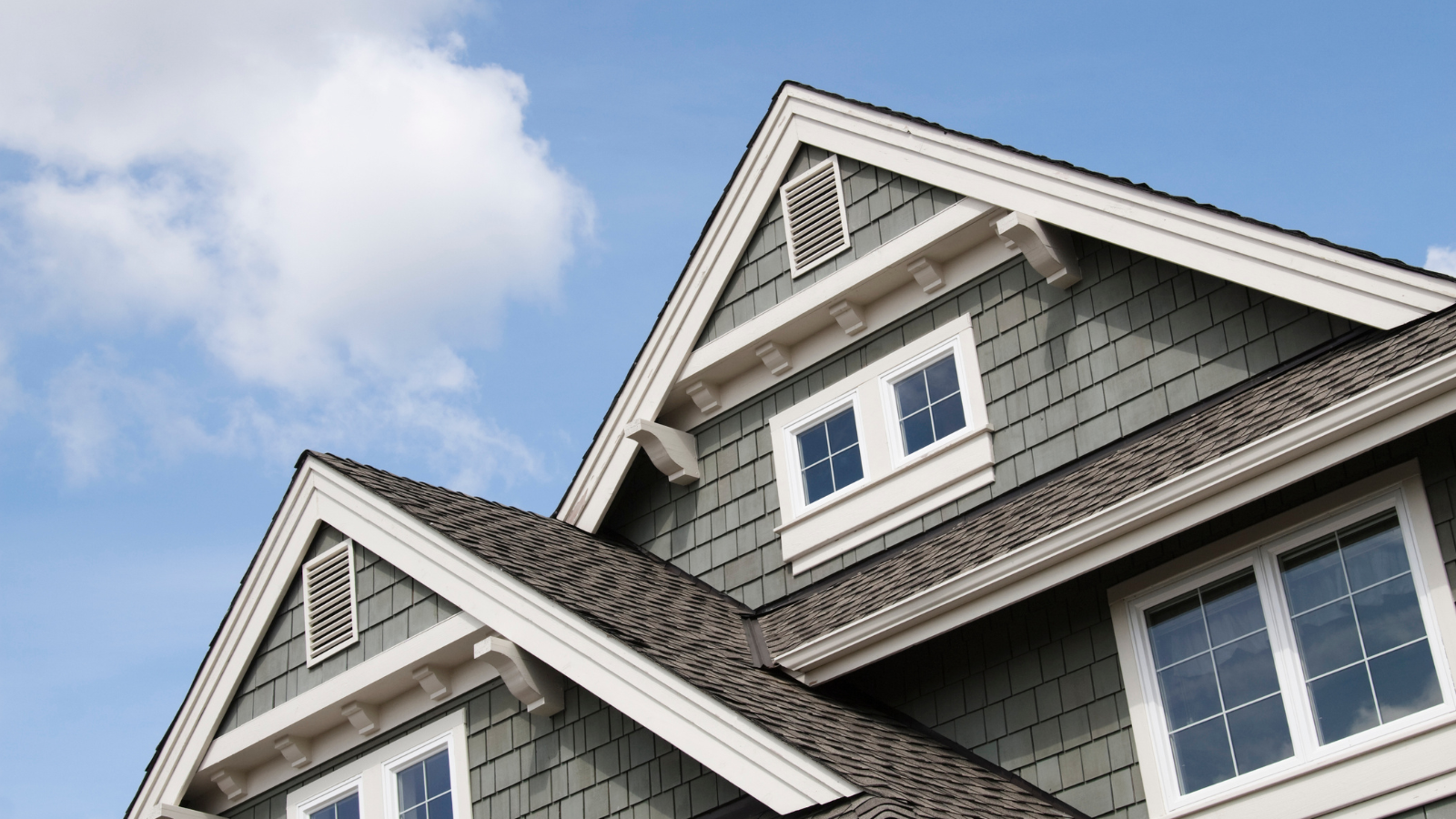
Severe weather can arrive unexpectedly in Elkhart, Indiana, bringing strong winds, hail, heavy rainfall, and falling branches. During colder months, snow, ice, and freezing temperatures can also place additional stress on residential roofing systems.
After a storm passes, most homeowners check their yards, driveways, and vehicles for visible damage. However, one of the most important areas to evaluate is the roof.
Your roof serves as a primary barrier against the elements. Even minor damage can affect its ability to protect your home when the next storm arrives.
That is why a post-storm roof inspection is an important part of responsible home maintenance.
At Elkhart County Roofing, we help homeowners throughout Elkhart, Bristol, Goshen, Granger, Howe, La Porte, LaGrange, Ligonier, Michigan City, Middlebury, Mishawaka, Nappanee, Shipshewana, South Bend, Wakarusa, Fort Wayne, Edwardsburg, Kalamazoo, Niles, and Rochester evaluate roofing concerns following severe weather.
Whether your home has experienced hail, strong winds, heavy rain, or falling debris, understanding what to look for can help you identify potential problems before they become more extensive.
Why a Post-Storm Roof Inspection Matters
Roofing systems are designed to withstand normal weather exposure, but severe storms can create conditions beyond everyday wear.
Strong winds may loosen or remove shingles.
Hail may damage roofing materials.
Falling branches can affect shingles, flashing, decking, or structural components.
Heavy rain can expose existing weaknesses around roof penetrations and vulnerable intersections.
A post-storm roof inspection helps determine whether the roofing system remains in suitable condition after significant weather.
An inspection does not automatically mean repairs are necessary.
Instead, it provides information about the roof’s condition and helps homeowners make informed decisions.
Not Every Storm Causes Roof Damage
One important point homeowners should understand is that not every storm results in roofing damage.
A brief thunderstorm with moderate rainfall may have little effect on a roof that is properly installed and maintained.
However, storms involving hail, damaging winds, falling branches, or unusually intense rainfall deserve closer attention.
The need for professional inspection depends on:
- Storm severity
- Roof age
- Roofing material
- Existing condition
- Visible warning signs
- Previous repairs
A safe visual check from the ground is a useful starting point after significant weather.
Safety Comes First After Severe Weather
Before inspecting your property, make sure the surrounding area is safe.
Avoid:
- Downed electrical lines
- Hanging tree branches
- Damaged utility equipment
- Unstable structures
- Flooded areas near electricity
- Loose exterior components
Do not climb onto your roof after a storm.
Wet shingles, loose materials, and hidden damage can create dangerous conditions.
Most homeowners can identify obvious warning signs from the ground.
A professional roofing contractor should handle closer roof evaluations.
Step 1: Walk Around Your Property
Begin your post-storm roof inspection with a careful walk around the home.
Look at the roof from several safe viewing locations.
Pay attention to anything that appears different from before the storm.
You may notice:
- Missing shingles
- Roofing debris
- Damaged gutters
- Fallen branches
- Loose siding
- Bent flashing
- Displaced exterior materials
Take photographs of visible damage.
These records can help document the property’s condition and provide useful information during a professional evaluation.
Step 2: Look for Missing Shingles
Missing shingles are among the most recognizable signs of wind damage.
Strong winds can lift shingles and, in some cases, remove them entirely.
Exposed areas may allow moisture to reach underlying roofing components.
However, the absence of missing shingles does not guarantee that the roof is undamaged.
Wind can affect shingle seals or create damage that is difficult to see from the ground.
If you notice missing shingles, professional evaluation is appropriate.
Step 3: Check for Lifted or Damaged Shingles
Some shingles remain attached after a storm but may no longer lie flat.
Possible signs include:
- Raised corners
- Uneven shingle edges
- Creases
- Cracks
- Displaced sections
Lifted shingles may be more vulnerable during future wind and rain events.
A contractor can evaluate whether affected shingles can be repaired or whether broader deterioration is present.
Step 4: Inspect the Yard for Roofing Debris
Roofing materials sometimes land in the yard after severe weather.
Look for:
- Shingle pieces
- Ridge cap fragments
- Metal flashing
- Roofing fasteners
- Gutter components
Finding roofing debris does not prove it came from your property.
However, it provides a reason to examine your roof more carefully.
Do not attempt to retrieve debris from dangerous areas or climb onto the roof.
Step 5: Look for Hail Damage Indicators
Hail can affect roofing materials in different ways.
Asphalt shingles may experience impact related damage, while metal components may show dents.
From the ground, homeowners can look for:
- Dented gutters
- Dented downspouts
- Damaged roof vents
- Cracked siding
- Torn window screens
- Visible impact marks
These signs can suggest significant hail exposure.
However, dents on gutters do not automatically mean the roof needs replacement.
A professional post-storm roof inspection can help determine whether functional roofing damage occurred.
Step 6: Check Gutters and Downspouts
Gutters are an important part of the roof drainage system.
Storms can damage gutters through wind, hail, falling branches, or debris accumulation.
Look for:
- Sagging sections
- Loose attachments
- Bent gutters
- Missing downspouts
- Dented components
- Visible separation from fascia
Damaged gutters can interfere with water drainage and expose nearby exterior materials to excessive moisture.
Step 7: Inspect Roof Edges
Roof edges can experience strong wind forces.
From the ground, look for:
- Missing edge shingles
- Loose metal components
- Damaged drip edge
- Uneven roofing materials
- Exposed areas
Problems along the perimeter may affect how water moves from the roof into the gutter system.
Roof edge damage deserves professional attention.
Step 8: Check Flashing Areas
Flashing protects vulnerable intersections where roofing materials meet other structures.
Common flashing locations include:
- Chimneys
- Skylights
- Sidewalls
- Dormers
- Roof valleys
- Plumbing vents
Strong winds and falling debris may loosen or damage flashing.
Because some flashing components are partially concealed, professional evaluation may be necessary.
Step 9: Look at Chimneys
If your home has a chimney, inspect it visually from the ground.
Look for:
- Damaged masonry
- Missing chimney caps
- Loose flashing
- Fallen bricks or fragments
- Visible structural changes
Do not approach unstable masonry.
Significant chimney damage may require evaluation by an appropriately qualified professional.
Step 10: Check Roof Vents
Roof vents help support attic ventilation.
Storms may damage vent covers, flashing, or surrounding roofing materials.
A missing or displaced vent component can create an opening for water or debris.
If you notice damage, contact a roofing professional.
Step 11: Inspect Skylights
Skylights are another potential location for storm related water intrusion.
Check for:
- Cracked glass
- Damaged frames
- New interior stains
- Dripping
- Moisture around surrounding finishes
Water near a skylight may result from flashing, roofing, the skylight assembly, or condensation.
Proper diagnosis is important before selecting a repair.
Step 12: Check Roof Valleys
Roof valleys collect runoff from adjoining roof slopes.
During storms, branches, leaves, and other debris may accumulate in these areas.
Impacts may also affect valley flashing or roofing materials.
Because valleys carry concentrated runoff, drainage problems can create significant moisture concerns.
Avoid climbing onto the roof to clear debris.
Step 13: Inspect the Attic
An attic inspection can sometimes reveal problems that are not visible outside.
If your attic is safely accessible, look for:
- Wet insulation
- Water stains
- Damp decking
- Dripping
- Musty odors
- Unusual daylight through openings
Use caution around electrical equipment and unstable surfaces.
If you notice moisture near wiring or fixtures, avoid contact and seek qualified assistance.
Step 14: Check Ceilings and Walls
After severe weather, walk through the interior of your home.
Look for:
- New ceiling stains
- Bubbling paint
- Damp drywall
- Discoloration
- Peeling finishes
A small stain may indicate water traveling through the roofing system.
The visible stain may not be directly below the leak source.
A professional evaluation can help identify where moisture is entering.
Step 15: Look for Water Around Roof Penetrations
Plumbing vents, exhaust vents, and other roof penetrations require appropriate flashing.
Storms can expose existing weaknesses or damage surrounding materials.
Water may enter through deteriorated seals or damaged flashing.
A post-storm roof inspection should include these areas because they are common locations for roof leaks.
Understanding Wind Damage
Wind damage can vary significantly.
Some storms remove shingles.
Others may lift shingles without completely detaching them.
Potential concerns include:
- Broken seals
- Creased shingles
- Missing ridge caps
- Loose flashing
- Damaged roof edges
A professional inspection can help determine whether the damage is localized or widespread.
Understanding Hail Damage
Hail damage depends on several factors, including hail size, density, wind conditions, roofing material, and existing roof condition.
Not every impact mark indicates functional damage.
Likewise, some damage may not be obvious from the ground.
A roofing professional can evaluate suspected impact locations and distinguish potential hail damage from normal wear or other conditions.
Heavy Rain and Hidden Roof Problems
Heavy rainfall may expose weaknesses that existed before the storm.
Examples include:
- Deteriorated flashing
- Damaged pipe boots
- Missing shingles
- Compromised roof valleys
- Previous repair problems
A leak appearing during a storm does not necessarily mean the storm created the underlying defect.
An inspection should identify the actual cause rather than assume all moisture problems resulted from recent weather.
Fallen Branches and Impact Damage
Tree branches can damage roofing materials and underlying components.
A small branch may affect only a few shingles.
A large limb can cause more extensive damage involving decking or structural framing.
If a branch remains on the roof, do not attempt to remove it yourself.
Qualified professionals should evaluate the situation, especially when electrical lines or structural concerns are involved.
Winter Storm Damage in Northern Indiana
Winter weather creates different roofing challenges.
Snow accumulation, freezing temperatures, ice, and wind can affect vulnerable roofing systems.
Potential concerns include:
- Ice accumulation
- Loose flashing
- Damaged gutters
- Water intrusion
- Existing leaks becoming more noticeable
A winter post-storm roof inspection may require different safety precautions than an inspection following a summer thunderstorm.
What Are Ice Dams?
Ice dams can form when snow melts on warmer roof areas and refreezes near colder roof edges.
This may interfere with drainage and allow water to move beneath roofing materials.
Ice dams can involve attic heat loss, insulation, air sealing, ventilation, roof design, and weather conditions.
Removing or replacing shingles alone may not resolve the underlying problem.
Professional evaluation can help identify contributing factors.
Can Snow Damage a Roof?
Snow adds weight to roofing systems.
Most properly designed roofs are intended to handle applicable environmental loads.
However, unusual accumulation, drifting, existing structural deterioration, or other conditions may create concerns.
Warning signs such as unusual sagging, structural movement, or significant interior changes deserve prompt professional evaluation.
Do not climb onto a snow covered roof.
Why Roof Age Matters After Storms
An older roof may already have weather related deterioration.
Potential conditions include:
- Granule loss
- Cracked shingles
- Curling
- Previous repairs
- Reduced flexibility
- Deteriorated flashing
Severe weather can affect roofing systems differently depending on their existing condition.
A newer roof can also sustain storm damage.
Age is useful context, but the actual condition determines what work may be necessary.
How Roofing Material Affects Storm Damage
Different roofing materials respond differently to severe weather.
Asphalt Shingles
Possible concerns include wind lifting, missing shingles, cracking, and hail impact damage.
Metal Roofing
Potential concerns include dents, damaged panels, loose fasteners, or affected seams.
Other Roofing Materials
Specialty roofing products may have different installation and impact resistance characteristics.
A professional should evaluate the specific material rather than applying the same assumptions to every roofing system.
What Happens During a Professional Post-Storm Roof Inspection?
A professional roofing contractor may evaluate:
- Shingle condition
- Roof edges
- Ridge caps
- Flashing
- Roof penetrations
- Roof valleys
- Gutters
- Downspouts
- Visible decking concerns
- Attic moisture
- Storm impact indicators
The inspection should identify visible damage and explain whether repair, replacement, or monitoring may be appropriate.
Why Inspection Photographs Matter
Photographs help homeowners understand the findings.
A contractor may document:
- Missing shingles
- Damaged flashing
- Impact marks
- Loose components
- Moisture concerns
- Other visible conditions
Written explanations and photographs can help homeowners compare recommendations and keep accurate property records.
Should You Schedule an Inspection After Every Storm?
Not every minor storm requires a professional roofing inspection.
However, a safe ground level check after significant weather is a good practice.
Professional inspection becomes more important when:
- Hail was significant
- Strong winds occurred
- Branches struck the roof
- Shingles are missing
- Interior moisture appears
- Gutters are damaged
- The roof already has known problems
A post-storm roof inspection should be based on storm severity and the condition of the property.
How Soon Should You Schedule an Inspection?
If visible damage or active leaks are present, arrange professional attention promptly.
If the storm was severe but damage is not obvious, scheduling an evaluation within a reasonable period can help identify concerns before additional weather occurs.
Avoid waiting for interior damage to develop when there are credible signs of roofing problems.
What If No Damage Is Found?
An inspection may conclude that the roofing system remains in serviceable condition.
That is a useful result.
Homeowners can keep the inspection documentation and continue routine maintenance.
A reputable contractor should not recommend repairs or replacement simply because a storm occurred.
Repair or Replace After Storm Damage?
The appropriate solution depends on the extent of damage and the condition of the roofing system.
Repair may be suitable when:
- Damage is localized
- Surrounding shingles remain serviceable
- Decking is sound
- Compatible materials are available
Replacement may deserve consideration when:
- Damage is widespread
- The roof has extensive deterioration
- Multiple areas are affected
- Significant underlying damage exists
A professional evaluation can help homeowners understand the available options.
Can Storm Damage Be Repaired?
Yes, many types of storm damage can be repaired.
Examples may include:
- Replacing missing shingles
- Repairing flashing
- Correcting localized leaks
- Replacing damaged vent components
- Repairing limited decking damage
However, the feasibility of repairs depends on roof condition and material compatibility.
When Roof Replacement May Be Necessary
Complete replacement may be appropriate when the roofing system has extensive functional damage or widespread deterioration.
A contractor should explain why replacement is recommended and identify the conditions supporting that recommendation.
Homeowners should avoid assuming that every hailstorm or wind event requires a new roof.
Insurance Considerations After Storm Damage
Homeowners insurance may cover certain types of sudden storm damage depending on the policy.
Coverage depends on:
- Policy terms
- Exclusions
- Deductibles
- Damage circumstances
- Insurer determination
Homeowners should review their policy and contact their insurer when appropriate.
A roofing contractor can document visible conditions and provide repair estimates, but the insurer determines coverage.
Should You File an Insurance Claim?
Not every storm requires an insurance claim.
Homeowners should consider whether damage exists, the estimated repair scope, the deductible, and policy requirements.
A professional inspection may help clarify the physical condition of the roof.
However, homeowners should make claim decisions based on their policy and individual circumstances.
Avoid Storm Damage Scams
Severe weather can attract aggressive roofing sales activity.
Be cautious of contractors who:
- Pressure you to sign immediately
- Guarantee insurance approval
- Recommend replacement without explaining damage
- Refuse to provide written estimates
- Offer unclear warranty information
A trustworthy contractor should provide understandable findings and explain available options.
Choosing a Local Roofing Contractor
Homeowners should consider:
- Relevant roofing experience
- Appropriate insurance
- Clear estimates
- Material knowledge
- Inspection documentation
- Communication
- Workmanship terms
- Local service availability
A contractor familiar with Northern Indiana and nearby Michigan weather can help homeowners evaluate roofing concerns in the context of regional conditions.
How to Prepare for a Professional Inspection
Before the contractor arrives:
- Document visible damage.
- Note when the storm occurred.
- Record any interior leaks.
- Identify areas of concern.
- Gather previous repair information if available.
- Prepare questions about repair options.
You do not need to climb onto the roof or perform dangerous inspections yourself.
Questions to Ask After the Inspection
Ask the contractor:
- What damage did you find?
- Where is the damage located?
- Does it appear storm related?
- Is repair possible?
- Is replacement necessary?
- Are there any decking concerns?
- What materials would be used?
- What are the estimated costs?
- What happens if additional damage is discovered?
- What warranty terms apply?
These questions help homeowners make informed decisions.
Preventing Future Roofing Problems
No roof is completely immune to severe weather.
However, routine maintenance can help identify existing weaknesses.
Homeowners should:
- Keep gutters clear
- Address loose shingles
- Repair flashing concerns
- Monitor attic moisture
- Trim hazardous branches
- Inspect after major storms
- Address leaks promptly
Preventive maintenance can help reduce the likelihood that small problems remain unnoticed.
Why Gutters Matter During Roof Inspections
Gutters and downspouts are closely connected to roof performance.
Damaged gutters may allow water to overflow near fascia, siding, and foundation areas.
Storms can also loosen gutter attachments or fill channels with debris.
A complete exterior evaluation should consider how the drainage system functions after severe weather.
Inspecting Soffit and Fascia
Strong winds and falling debris may damage soffit and fascia.
Look for:
- Loose panels
- Missing sections
- Cracks
- Water staining
- Damaged gutter attachment areas
These components help protect roof edges and overhangs.
Ignoring damage may leave parts of the exterior exposed to future weather.
Storm Damage and Attic Ventilation
Storms may affect roof vents or soffit ventilation components.
Damaged or blocked vents can interfere with airflow.
However, ventilation problems can also exist independently of storms.
A roofing professional should evaluate the ventilation system as a whole before recommending changes.
Why Delaying Roof Repairs Can Be Risky
Some storm related damage may not cause immediate leaks.
However, compromised roofing materials can remain exposed to future rain, wind, and temperature changes.
Delaying necessary repairs may allow moisture to reach surrounding materials.
Timely evaluation helps homeowners determine whether work is necessary before conditions worsen.
Post-Storm Roof Inspection Checklist for Homeowners
Use this checklist after significant weather:
- Check for downed power lines and other hazards.
- Look for fallen branches.
- Inspect the roof from the ground.
- Check for missing shingles.
- Look for damaged ridge caps.
- Examine gutters and downspouts.
- Check for visible hail impacts.
- Inspect siding and exterior trim.
- Look for damaged roof vents.
- Check accessible attic areas for moisture.
- Inspect ceilings and walls.
- Photograph visible damage.
- Record the storm date.
- Schedule professional evaluation when needed.
- Review repair recommendations carefully.
- Keep inspection and repair records.
A post-storm roof inspection should help homeowners understand the condition of their roofing system without exposing themselves to unnecessary risks.
Serving Elkhart and Surrounding Communities
Elkhart County Roofing serves homeowners throughout Elkhart, Bristol, Goshen, Granger, Howe, La Porte, LaGrange, Ligonier, Michigan City, Middlebury, Mishawaka, Nappanee, Shipshewana, South Bend, Wakarusa, Fort Wayne, Edwardsburg, Kalamazoo, Niles, and Rochester.
Homes across Northern Indiana and nearby Michigan communities experience changing seasonal weather.
Thunderstorms, hail, strong winds, heavy rainfall, snow, and ice can all create roofing concerns.
Whether you own a home in Elkhart, Goshen, South Bend, Mishawaka, or a nearby community, understanding when to arrange a post-storm roof inspection can help you respond appropriately after severe weather.
Why Choose Elkhart County Roofing?
At Elkhart County Roofing, we understand that severe weather can leave homeowners uncertain about the condition of their roofs.
You may notice missing shingles, water stains, or damaged gutters.
Or your roof may appear normal even after a significant storm.
Our services include:
- Roof inspections
- Roof repair
- Roof replacement
- Storm damage restoration
- Residential roofing
- Commercial roofing
- Shingle roofing
- Metal roofing
We help homeowners evaluate roofing concerns and understand whether repair or replacement is appropriate.
A professional post-storm roof inspection can provide information about visible damage, roof condition, and potential next steps.
Our goal is to help homeowners make practical decisions based on the actual condition of their roofing systems.
Final Thoughts
Severe weather can affect a roof in ways that are obvious, subtle, or difficult to identify from the ground.
Missing shingles, damaged flashing, dented gutters, fallen branches, and interior moisture are all reasons to pay attention after a storm.
However, not every storm causes roof damage, and not every damaged roof requires complete replacement.
The purpose of a post-storm roof inspection is to understand what happened to the roofing system and determine whether corrective work is necessary.
Homeowners should begin with safety.
Avoid climbing onto damaged or wet roofing surfaces.
Instead, inspect the property from the ground, check accessible interior areas, and document visible concerns.
If significant hail, strong winds, falling debris, or active leaks are involved, professional evaluation is appropriate.
A roofing contractor can examine the system more closely and explain whether repairs, replacement, or continued monitoring may be suitable.
For homeowners throughout Elkhart, Bristol, Goshen, Granger, Howe, La Porte, LaGrange, Ligonier, Michigan City, Middlebury, Mishawaka, Nappanee, Shipshewana, South Bend, Wakarusa, Fort Wayne, Edwardsburg, Kalamazoo, Niles, and Rochester, timely attention to roofing concerns can help protect the home from additional weather exposure.
If your property has experienced hail, strong winds, heavy rainfall, snow, ice, or falling branches, contact Elkhart County Roofing to discuss a professional post-storm roof inspection.
