
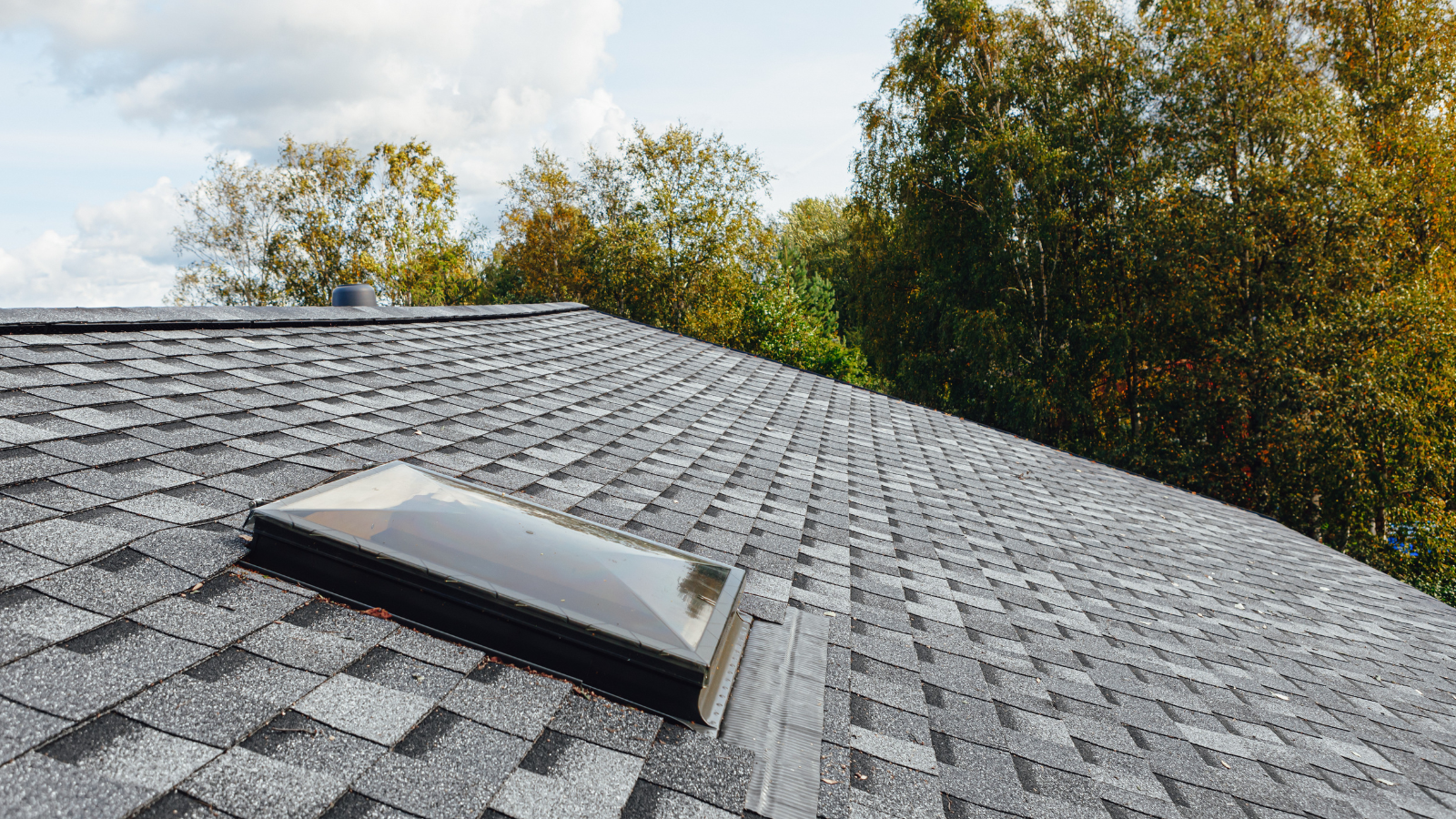
A roof repair should solve a problem, not temporarily hide it. Yet some homeowners discover that a leak returns only weeks or months after work was completed. Others notice new shingle problems, water stains, loose flashing, or repeated damage in the same area.
When this happens, the original repair may not have addressed the actual source of the problem.
Understanding failed roof repair causes can help homeowners recognize why some roofing repairs do not last and what professional contractors should consider before beginning the work.
At Elkhart County Roofing, we serve homeowners throughout Elkhart, Bristol, Goshen, Granger, Howe, La Porte, LaGrange, Ligonier, Michigan City, Middlebury, Mishawaka, Nappanee, Shipshewana, South Bend, Wakarusa, Fort Wayne, Edwardsburg, Kalamazoo, Niles, and Rochester.
Homes throughout Northern Indiana and nearby Michigan communities face rain, wind, hail, snow, ice, summer heat, and repeated freezing and thawing conditions. Roofing repairs need to account for these conditions while restoring the roof as a complete water shedding system.
A Successful Roof Repair Starts With the Right Diagnosis
One of the biggest mistakes in roofing is assuming that the most visible symptom identifies the source of the problem.
For example, a ceiling stain does not necessarily mean the leak is directly above that spot.
Water can enter through one section of the roof and travel along decking, rafters, insulation, or other materials before becoming visible inside the home.
A contractor who repairs only the area above the stain may completely miss the actual water entry point.
Proper diagnosis should come before repair.
Depending on the situation, a roofer may need to evaluate:
- Shingles
- Flashing
- Valleys
- Chimneys
- Pipe boots
- Roof vents
- Skylights
- Gutters
- Roof decking
- Attic moisture
Misdiagnosis is one of the most important failed roof repair causes because even excellent workmanship will not solve a problem if the wrong area is repaired.
Mistake 1: Repairing the Symptom Instead of the Source
Imagine a homeowner discovers water staining near an upstairs wall.
A contractor sees a slightly damaged shingle nearby and replaces it.
The stain appears again during the next major storm.
The damaged shingle may have been a legitimate maintenance issue, but it may not have been responsible for the leak.
The actual problem could have involved:
- Wall flashing
- A roof penetration
- A chimney
- A valley
- Wind driven rain
- Damaged underlayment
- Another roof section
Roof repairs should begin by determining how water is entering and traveling through the system.
Replacing something simply because it looks damaged can result in unnecessary work while leaving the real problem unresolved.
Mistake 2: Relying Too Heavily on Roofing Sealant
Roofing sealants can be useful when applied appropriately as part of a properly designed repair.
The problem occurs when sealant becomes the entire repair strategy.
A contractor may apply large amounts of sealant over:
- Cracks
- Flashing
- Nail heads
- Shingle edges
- Roof penetrations
This may temporarily reduce water entry, but it does not necessarily correct the underlying installation or material problem.
Sealant can also deteriorate with weather exposure.
A proper repair should restore the way roofing components overlap and direct water rather than relying exclusively on surface applied material.
Overdependence on sealant is one of the common failed roof repair causes homeowners may encounter after quick patch jobs.
Mistake 3: Improper Flashing Repair
Flashing is one of the most important parts of a roofing system.
It helps direct water around areas where roof surfaces meet other structures or penetrations.
Flashing may be found around:
- Chimneys
- Skylights
- Walls
- Roof valleys
- Plumbing vents
- Dormers
When flashing is installed incorrectly, water may move behind roofing materials.
A contractor who simply covers deteriorated flashing with sealant may not correct the underlying issue.
Professional flashing repair may require carefully removing surrounding roofing materials, evaluating the existing flashing, correcting the detail, and reinstalling the surrounding materials properly.
Mistake 4: Reusing Damaged Flashing
Roofing components should be evaluated individually during repair.
Existing flashing may sometimes remain serviceable, but deteriorated, bent, corroded, or improperly installed flashing should not automatically be reused.
Trying to save a damaged flashing component can create another leak path.
The contractor should determine whether the material remains suitable for continued use rather than assuming it can stay simply because it is already there.
Mistake 5: Incorrect Shingle Installation
Replacing a few shingles may seem straightforward, but asphalt roofing relies on specific installation practices.
Potential mistakes include:
- Incorrect fastener placement
- Too few fasteners
- Overdriven nails
- Underdriven nails
- Improper alignment
- Damaged shingle seals
- Incorrect overlap
Each mistake can affect the ability of the repaired area to resist wind and water.
Correct installation should also follow applicable manufacturer requirements for the roofing product.
Improper shingle installation is another significant example of failed roof repair causes because the repair itself can create new weaknesses.
Mistake 6: Improper Nail Placement
Roofing nails need to be installed in appropriate locations and driven correctly.
An underdriven nail may prevent roofing materials from lying properly.
An overdriven nail can damage the shingle.
A misplaced fastener may fail to secure the shingle as intended.
Exposed nails can also become potential water entry points when they are installed in inappropriate locations.
Fastening details may be small, but roofing performance often depends on getting these small details right.
Mistake 7: Ignoring Nail Pops
Nail pops occur when roofing fasteners begin moving upward.
A raised nail may push against the shingle above it, potentially lifting or puncturing the material.
Simply hammering the nail back into the same opening may not provide a lasting repair if the fastener no longer has an adequate hold.
A roofer should evaluate why the nail moved and whether surrounding roofing or decking has been affected.
Recurring nail pops may indicate a broader fastening, moisture, or decking concern.
Mistake 8: Ignoring Roof Decking Damage
Shingles need a suitable surface beneath them.
Roof decking that has deteriorated because of moisture may become soft, weakened, or unable to hold roofing fasteners properly.
Installing new shingles over compromised decking does not solve the underlying problem.
Potential signs of decking concerns include:
- Soft roof areas
- Visible sagging
- Repeated leaks
- Fastener problems
- Moisture staining in the attic
When decking deterioration is present, the affected area may need to be addressed as part of the repair.
Ignoring the substrate beneath the roofing materials is one of the more serious failed roof repair causes because the visible repair may have no stable foundation.
Mistake 9: Failing to Check for Moisture Beneath the Roof
A roof leak may have existed for some time before the homeowner notices it.
By then, moisture may have affected more than the visible roofing surface.
Potentially affected materials include:
- Underlayment
- Decking
- Insulation
- Framing
- Drywall
A contractor should consider whether moisture has reached underlying components.
Simply covering the exterior opening may stop additional rainwater, but existing moisture damage may still require attention.
Mistake 10: Installing Materials Over a Wet Surface
Roofing repairs should be performed under suitable conditions.
Installing materials over wet or compromised surfaces can create problems.
Moisture may become trapped within the roofing assembly, and some roofing products may not adhere or perform correctly when installation conditions are unsuitable.
Professional contractors should consider weather and surface conditions when scheduling repairs.
Sometimes waiting for appropriate conditions is safer than rushing the work.
Mistake 11: Using Incompatible Roofing Materials
Not every roofing product works appropriately with every existing system.
A contractor should understand what roofing material is already installed and choose repair components that are compatible.
This includes considering:
- Shingle type
- Flashing materials
- Underlayment
- Sealants
- Fasteners
- Roof penetrations
Using whatever materials happen to be available may create performance problems or affect the appearance of the repair.
Material compatibility should be considered before work begins.
Mistake 12: Ignoring Manufacturer Installation Requirements
Roofing manufacturers provide installation requirements for their products.
These may address details such as:
- Fastener placement
- Number of fasteners
- Roof slope
- Underlayment
- Shingle exposure
- Flashing
- Ventilation
Ignoring applicable instructions can affect how the roofing system performs.
It may also have implications for certain warranty provisions.
Homeowners should choose contractors familiar with the products they install and repair.
Mistake 13: Repairing Only One Shingle After Wind Damage
Wind damage can be deceptive.
One missing shingle may be obvious from the ground, but surrounding shingles may also have been affected.
Strong wind can:
- Lift shingles
- Break adhesive seals
- Create creases
- Loosen ridge caps
- Affect flashing
Replacing only the visibly missing shingle without evaluating surrounding materials may leave additional storm damage unaddressed.
A thorough storm inspection can help determine whether the problem is truly isolated.
Mistake 14: Missing Subtle Hail Damage
Hail does not always create holes through a roof.
Depending on the storm and roofing material, hail may contribute to:
- Localized granule loss
- Surface bruising
- Cracking
- Damage to vents
- Damage to flashing
A contractor who focuses only on missing shingles may overlook other storm related conditions.
After significant hail, gutters, downspouts, roof vents, and other exterior components can also provide useful clues.
Mistake 15: Ignoring Roof Valleys
Roof valleys carry water from multiple roof slopes.
Because of the amount of water moving through these areas, small installation or material problems can become significant.
Valley concerns may include:
- Damaged shingles
- Improper flashing
- Debris
- Previous patches
- Deteriorated materials
A repair near a valley should account for how water moves through the entire area.
Simply sealing the visible opening may not restore proper drainage.
Mistake 16: Poor Chimney Flashing Repairs
Chimneys are common sources of complicated roof leaks.
They may involve several flashing components working together.
Problems can occur with:
- Step flashing
- Counter flashing
- Sealant
- Roofing materials
- Masonry
Water may also enter through the chimney structure itself rather than the surrounding roof.
A contractor needs to distinguish between roofing related moisture and other chimney problems before recommending a solution.
Poor chimney diagnosis and flashing work are frequent failed roof repair causes because these areas can involve multiple potential entry points.
Mistake 17: Overlooking Pipe Boots
Plumbing vents that pass through the roof require protective flashing or boots.
Some pipe boots include flexible materials that can deteriorate over time.
Small cracks may allow water to enter around the penetration.
Because these components are relatively small, they may be overlooked during a quick inspection.
When diagnosing unexplained leaks, roof penetrations should be evaluated carefully.
Mistake 18: Ignoring Skylight Flashing
A stain near a skylight does not automatically mean the skylight itself needs replacement.
Water may originate from:
- Flashing
- Surrounding shingles
- Sealant
- Condensation
- The skylight assembly
A contractor should identify the source before recommending repair.
Applying sealant around the exterior without understanding the problem may provide only temporary results.
Mistake 19: Failing to Consider Attic Ventilation
Not every moisture problem originates from rain.
Condensation can develop inside an attic when warm, moisture containing air reaches colder surfaces.
Signs may include:
- Damp decking
- Frost
- Rusted fasteners
- Wet insulation
- Mold or mildew
A contractor who assumes all attic moisture comes from a roof leak may repair roofing materials that were not responsible.
Proper diagnosis should consider both exterior water intrusion and interior moisture conditions.
This diagnostic confusion can become one of the less obvious failed roof repair causes.
Mistake 20: Ignoring Gutters and Drainage
Roof performance and drainage are connected.
Clogged or damaged gutters may contribute to water problems around roof edges, fascia, and soffit.
A roofing contractor evaluating leaks near the perimeter should also consider:
- Gutter clogs
- Sagging gutters
- Water behind gutters
- Damaged fascia
- Downspout problems
Repairing shingles while ignoring a major drainage problem may allow moisture concerns to continue.
Mistake 21: Repairing Damaged Roofing Without Checking Fascia
Fascia provides important support around the roof perimeter and may also support gutter attachments.
Repeated water exposure can cause wood fascia to deteriorate.
If a contractor attaches repaired gutter or roofing components to compromised fascia without addressing the damaged material, the repair may not remain secure.
Exterior systems should be evaluated together when problems overlap.
Mistake 22: Poor Temporary Repairs Becoming Permanent Repairs
Emergency roofing situations sometimes require temporary measures.
For example, severe weather may make complete repairs unsafe until conditions improve.
Temporary protection can be useful in those situations.
The problem occurs when a temporary patch is treated as a permanent repair.
Emergency measures should be followed by a proper evaluation and appropriate permanent work when conditions allow.
Otherwise, the temporary solution may eventually fail.
Mistake 23: Repairing a Roof That Really Needs Replacement
Roof repair is often appropriate, but not every roof remains a good candidate for repeated repairs.
A contractor may continue patching individual problems even when the roofing system has widespread deterioration.
Replacement may deserve consideration when:
- Leaks occur in multiple areas
- Shingles are significantly deteriorated
- Repairs are becoming frequent
- Decking problems are extensive
- Storm damage is widespread
- Multiple roofing components are failing
Repeatedly repairing a roofing system near the end of its useful service life may become less practical than addressing the system more comprehensively.
Mistake 24: Recommending Replacement When a Repair Would Work
The opposite problem can occur too.
Not every leak means the entire roof needs replacement.
An isolated flashing failure, damaged pipe boot, or small area of storm damage may be repairable when the rest of the roof remains in serviceable condition.
A professional roofing contractor should evaluate the complete roof and explain why repair or replacement is being recommended.
Homeowners should be cautious of contractors who recommend major work without clearly explaining the findings.
Mistake 25: Not Accounting for Previous Repairs
Older roofs may contain a history of repairs performed by different contractors.
Some areas may have:
- Replacement shingles
- Added flashing
- Patches
- Sealant
- Modified penetrations
Before completing another repair, a contractor should understand what previous work was performed and whether it is related to the current problem.
Repeated failure in the same location may indicate that the underlying cause has never been corrected.
Previous repair history can therefore provide important clues when investigating failed roof repair causes.
Mistake 26: Failing to Inspect the Surrounding Area
Roof damage does not always stop at a neat boundary.
A contractor who repairs only the visibly damaged section may overlook nearby deterioration.
For example, a leaking flashing detail may have affected adjacent decking or shingles.
A fallen branch may damage more than the obvious impact location.
Professional repairs should include evaluating surrounding materials to determine the actual extent of the problem.
Mistake 27: Poor Workmanship Around Roof Edges
Roof edges face wind, rain, drainage, and other weather conditions.
Installation details around eaves and rakes help protect these areas.
Mistakes may involve:
- Improper fastening
- Incorrect material placement
- Damaged drip edge
- Poor gutter alignment
- Inadequate water management
Because roof edges connect with gutters, fascia, and soffit, mistakes in one component may affect several others.
Mistake 28: Ignoring Weather Conditions During Repair
Weather matters during roofing work.
Rain, snow, ice, extreme temperatures, and strong wind can affect safety and installation.
Certain roofing products have installation requirements related to temperature and surface conditions.
Rushing a repair during inappropriate weather can compromise workmanship.
A responsible contractor should balance urgency with safe and suitable installation conditions.
Why Northern Indiana Weather Can Expose Poor Repairs
Homes in Elkhart and surrounding communities experience significant seasonal changes.
A repair may appear successful during mild weather but fail when exposed to:
- Heavy rain
- Strong wind
- Hail
- Snow
- Ice
- Freezing temperatures
- Summer heat
Repeated temperature changes can also place stress on roofing materials and repair areas.
This is why local experience matters when investigating failed roof repair causes. Contractors should understand the weather conditions the repaired area will need to withstand throughout the year.
Why a Leak Can Return Months Later
A repair that appears successful initially can still fail later.
Possible reasons include:
- The wrong area was repaired
- Sealant deteriorated
- Flashing remained defective
- Surrounding shingles were damaged
- Decking was compromised
- Another nearby leak existed
- Weather exposed weak workmanship
Some leaks are also highly dependent on wind direction and rainfall intensity.
A roof may remain dry during several light rains and leak again during a strong storm.
This does not necessarily mean the new leak developed overnight.
The original problem may never have been completely corrected.
Warning Signs a Previous Roof Repair Is Failing
Homeowners should monitor repaired areas and the interior of the home.
Potential warning signs include:
- Returning ceiling stains
- New water marks
- Shingles lifting near the repair
- Cracked sealant
- Loose flashing
- Missing shingles
- Damp attic insulation
- Musty odors
- Repeated gutter debris
If symptoms return, contact a qualified roofing professional rather than repeatedly covering the interior stain.
Do Not Paint Over Ceiling Stains Without Finding the Cause
A ceiling stain can remain visible after a roof leak has been repaired.
However, homeowners should confirm that the moisture source has actually been corrected before repainting.
If the stain grows, darkens, feels damp, or returns after rain, additional investigation may be needed.
Painting over an active moisture problem only hides the symptom.
How a Professional Roof Repair Should Begin
A quality repair should start with inspection and diagnosis.
The contractor should determine:
- Where the damage is located
- How water may be entering
- Whether surrounding materials are affected
- Whether decking is sound
- Whether the problem is isolated
- Which materials are appropriate
- Whether repair remains practical
Only after understanding the problem should the contractor determine the repair approach.
Documentation Can Help Homeowners Understand the Repair
Photos can be useful when roofing problems are located in areas homeowners cannot safely access.
A contractor may document:
- Damaged shingles
- Flashing failures
- Storm damage
- Pipe boot deterioration
- Previous patches
- Decking concerns
- Completed repairs
Documentation helps homeowners understand what was found and what work was performed.
It can also provide useful records for future maintenance.
Questions to Ask Before Hiring a Roofing Contractor
Homeowners can reduce the risk of poor repairs by asking questions before work begins.
Consider asking:
- What caused the problem?
- How did you determine the leak source?
- Is the damage isolated?
- Are surrounding materials affected?
- Does the decking appear sound?
- What materials will be used?
- Is this intended as a temporary or permanent repair?
- Does the roof need additional inspection?
- What workmanship coverage applies?
A contractor should be willing to explain the recommended repair in understandable terms.
Be Careful With Extremely Quick Diagnoses
Some roof problems are obvious.
Others require investigation.
Be cautious when someone looks at the roof for only a moment and immediately claims to know the exact cause of a complicated leak without examining relevant areas.
Persistent leaks may require checking the roof surface, attic, flashing, penetrations, and previous repair locations.
Careful diagnosis is one of the best defenses against failed roof repair causes.
Be Cautious of Storm Chasers
After major storms, homeowners may receive unexpected visits from contractors who are temporarily working in the area.
Not every traveling contractor performs poor work, but homeowners should carefully verify who they hire.
Check factors such as:
- Business information
- Local reputation
- Insurance
- Written estimates
- Workmanship terms
- Communication
- References where available
Avoid contractors who pressure you to sign immediately or guarantee insurance outcomes.
Insurance coverage is determined according to the individual policy and insurer.
Local Roofing Experience Matters
A contractor familiar with the Elkhart region understands that a repair must withstand more than one season.
Roofing systems in Northern Indiana and nearby Michigan communities may encounter snow and ice during winter, heavy rain during spring, thunderstorms and hail during warmer months, and strong winds at different times of the year.
Local knowledge does not replace proper workmanship, but it can help contractors evaluate roofing materials and damage in the context of regional conditions.
Preventing Future Roof Repair Failures
Homeowners can help reduce future roofing problems through regular maintenance.
Good practices include:
- Inspecting after major storms
- Keeping gutters clear
- Addressing leaks promptly
- Monitoring attic moisture
- Trimming dangerous branches
- Keeping repair records
- Scheduling professional inspections when needed
Maintenance cannot prevent every roofing problem, but it can help identify deterioration before extensive damage develops.
Repair vs. Replacement Should Be Based on Roof Condition
There is no universal rule determining when repair should stop and replacement should begin.
The decision depends on factors such as:
- Roof age
- Material condition
- Extent of damage
- Leak history
- Decking condition
- Previous repairs
- Storm damage
A professional contractor should evaluate these factors together.
Homeowners should receive enough information to understand why a particular option is being recommended.
Why Choose Elkhart County Roofing?
At Elkhart County Roofing, we understand that homeowners want roofing problems solved correctly.
Our services include roof inspection, roof repair, roof replacement, storm damage restoration, residential roofing, commercial roofing, shingle roofing, and metal roofing.
We serve homeowners throughout Elkhart, Bristol, Goshen, Granger, Howe, La Porte, LaGrange, Ligonier, Michigan City, Middlebury, Mishawaka, Nappanee, Shipshewana, South Bend, Wakarusa, Fort Wayne, Edwardsburg, Kalamazoo, Niles, and Rochester.
When investigating a roof problem, the goal is not simply to cover the most visible damage.
The roofing system should be evaluated to understand what caused the issue and whether surrounding materials have also been affected.
Recognizing failed roof repair causes can help homeowners avoid repeating the same repair without addressing the underlying problem.
Final Thoughts
A roof repair is only successful when it addresses the actual problem and restores the affected area appropriately.
Many failed roof repair causes begin before the first shingle is removed.
Incorrect diagnosis can lead a contractor to repair the wrong area. Excessive sealant can temporarily hide problems instead of correcting them. Improper flashing, incorrect fastening, damaged decking, overlooked ventilation concerns, incompatible materials, and incomplete storm inspections can all contribute to repairs that do not last.
The most important lesson for homeowners is that roofing repairs should not be based solely on the most obvious symptom.
Water can travel.
Wind damage can be subtle.
Flashing problems can hide beneath surrounding materials.
Decking deterioration may not be visible until roofing materials are carefully evaluated.
Even attic condensation can sometimes be mistaken for a roof leak.
Understanding these failed roof repair causes can help homeowners ask better questions and recognize why a careful roofing inspection matters.
If you have already repaired the same leak more than once, do not assume another patch is automatically the answer. Repeated failure may indicate that the original source was missed or that a broader roofing condition needs attention.
Homeowners throughout Elkhart, Bristol, Goshen, Granger, Howe, La Porte, LaGrange, Ligonier, Michigan City, Middlebury, Mishawaka, Nappanee, Shipshewana, South Bend, Wakarusa, Fort Wayne, Edwardsburg, Kalamazoo, Niles, and Rochester can benefit from having recurring roof problems evaluated by a roofing professional.
At Elkhart County Roofing, our goal is to identify the condition of the roofing system and recommend an appropriate solution based on what we find.
Understanding failed roof repair causes is the first step toward avoiding another temporary fix and choosing a roofing solution designed to properly protect your home.
