
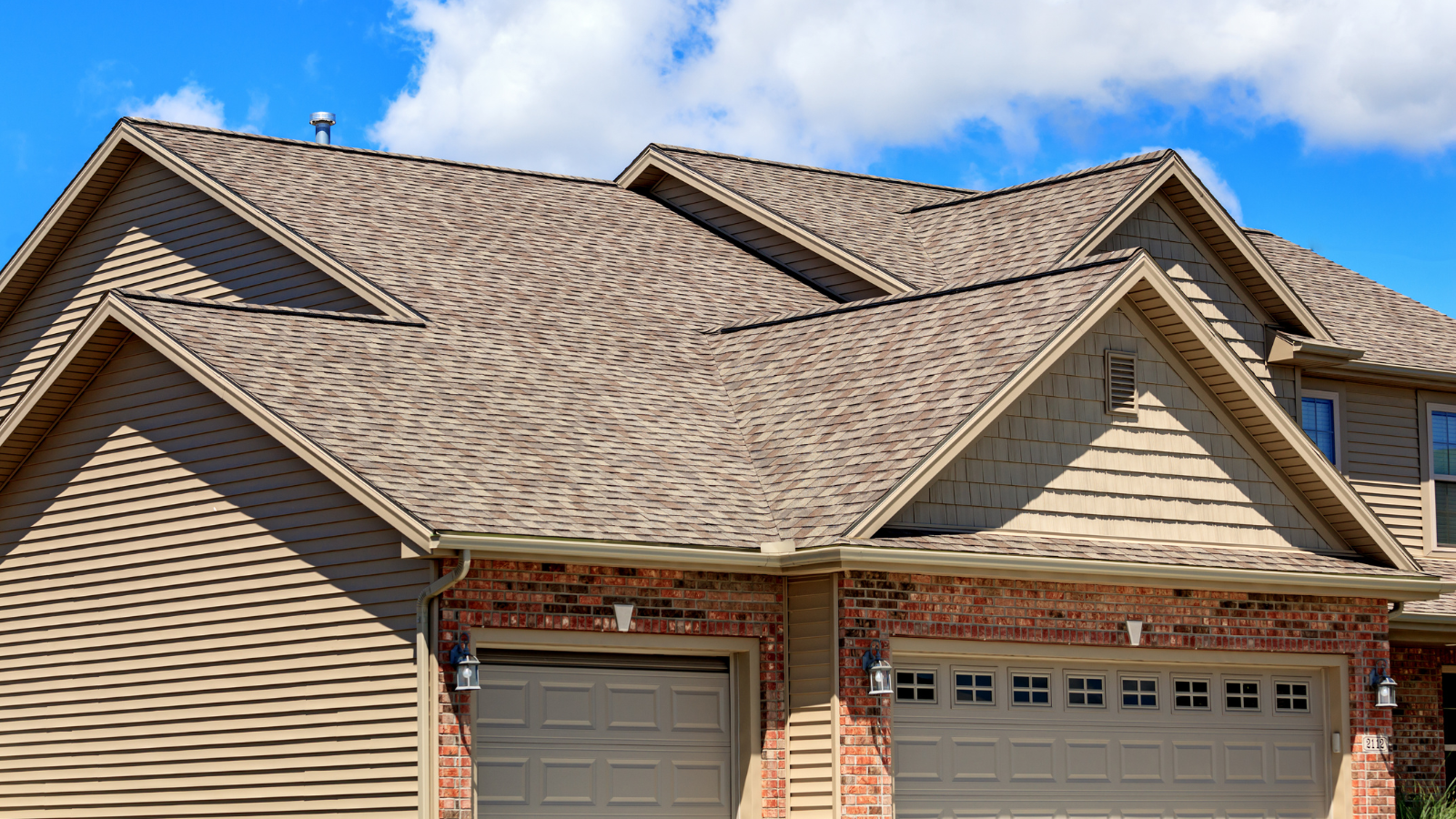
Replacing your roof gives you an opportunity to do more than protect your home from the elements. Because the roof occupies such a large portion of the exterior, the color you choose can influence how the entire property looks from the street.
The right roofing color can complement siding, brick, stone, shutters, doors, and trim while supporting the architectural character of the home. The wrong combination can make exterior features compete with one another or create an appearance that feels less coordinated.
For homeowners in Elkhart and surrounding communities, thoughtful shingle color selection can help create an exterior that feels balanced and appropriate for the property.
At Elkhart County Roofing, we serve homeowners throughout Elkhart, Bristol, Goshen, Granger, Howe, La Porte, LaGrange, Ligonier, Michigan City, Middlebury, Mishawaka, Nappanee, Shipshewana, South Bend, Wakarusa, Fort Wayne, Edwardsburg, Kalamazoo, Niles, and Rochester.
Why Shingle Color Matters
A roof is not a small exterior detail.
Depending on the home’s design and roof pitch, shingles may represent a substantial portion of what people see when viewing the property from the street.
Roof color can influence:
- Curb appeal
- Visual balance
- Exterior contrast
- Architectural character
- How siding colors appear
- How large or prominent the roof looks
That is why choosing a roofing color deserves more thought than simply picking the first sample that looks attractive.
Effective shingle color selection considers the entire exterior.
Start With the Permanent Features of Your Home
Some exterior components are relatively easy to change.
Paint colors, shutters, and front doors can be updated without completely remodeling the home.
Other materials are much more permanent.
These may include:
- Brick
- Stone
- Masonry
- Exterior architectural details
When selecting shingles, start with the exterior elements you are least likely to change.
If your home has prominent brick or stone, the roof should generally coordinate with the undertones and overall character of those materials.
This approach can help create a more cohesive exterior.
Consider Your Siding Color
Siding and roofing are two of the largest visual surfaces on many homes.
They should complement one another without necessarily matching exactly.
For example, homeowners may consider how neutral roofing colors interact with siding in shades such as:
- White
- Cream
- Beige
- Gray
- Blue
- Green
- Brown
The exact combination depends on the specific materials and undertones.
A gray roof is not simply gray. It may contain warmer brown undertones, cooler blue tones, charcoal shades, or a blend of several colors.
Viewing actual samples against your siding can make these differences easier to see.
Shingle Color Selection for White Homes
White siding provides considerable flexibility.
Depending on the architectural style, white homes may pair well with:
- Charcoal
- Black
- Gray
- Brown
- Variegated neutral shingles
A darker roof can create strong contrast against white siding.
A medium gray or softer neutral can create a more understated appearance.
Consider trim, shutters, doors, masonry, and other exterior features before deciding how much contrast you want.
Shingle Color Selection for Gray Homes
Gray siding can work with several roofing colors, but undertones matter.
Cool gray siding may coordinate well with charcoal, black, or roofing products containing cool gray variations.
Warmer gray siding may work better with shingles containing subtle brown or warm neutral tones.
Place samples near the siding rather than evaluating them independently.
Two products that look similar in a showroom may appear noticeably different beside your actual exterior.
Shingle Color Selection for Beige and Tan Homes
Beige, tan, and cream exteriors often contain warm undertones.
Roofing colors that homeowners may consider include:
- Brown
- Weathered gray
- Charcoal
- Warm neutral blends
Brick or stone can influence the final decision.
A tan house with red brick accents may call for a different roof color than a tan house with gray stone.
Look at the complete exterior composition rather than siding alone.
Shingle Color Selection for Brick Homes
Brick provides strong visual texture and usually contains several colors.
Step back and identify the dominant tones.
Brick may include combinations of:
- Red
- Brown
- Orange
- Cream
- Gray
- Charcoal
Rather than trying to match one individual brick exactly, homeowners can often select a roof color that relates to one of the secondary or neutral tones within the masonry.
This can help the roof and brick feel connected without looking overly matched.
Shingle Color Selection for Stone Exteriors
Natural and manufactured stone can contain significant color variation.
A single wall may include several shades of gray, beige, brown, cream, or other tones.
A roof color can draw from those existing shades.
If the stone has a lot of visual movement, a more restrained roofing color may help keep the exterior balanced.
If the stone is relatively uniform, a dimensional shingle blend may provide additional visual interest.
Look at Your Trim Color
Trim creates boundaries between major exterior surfaces.
White trim can provide separation between a dark roof and darker siding.
Dark trim may connect visually with charcoal or black roofing.
Cream or warm neutral trim may work well with brown and warmer shingle blends.
When making a shingle color selection, consider whether you want the roof to connect visually with the trim or create deliberate contrast.
Neither approach is universally correct.
The best choice depends on the home’s overall design.
Consider the Front Door and Shutters
Doors and shutters are usually accent features rather than the dominant factors in roofing selection.
However, they can help complete the color palette.
For example, a home with neutral siding, dark shutters, and a dark front door may look cohesive with a roof that repeats some of those deeper tones.
You do not need to match every feature exactly.
Instead, aim for a color relationship that makes the exterior feel intentional.
Understand Warm and Cool Undertones
One of the easiest ways to narrow roofing choices is to determine whether your home’s exterior leans warm or cool.
Warm exterior colors may contain:
- Beige
- Cream
- Brown
- Red
- Warm gray
Cooler palettes may feature:
- Blue
- Cool gray
- Charcoal
- Crisp white
Many homes combine both warm and cool materials, so these categories are not strict rules.
However, understanding undertones can prevent combinations that look unexpectedly mismatched once installed.
Do Not Choose From a Tiny Sample Alone
A small roofing sample can help you understand color and texture, but it may not show exactly how an entire roof will look.
Shingles often contain multiple shades.
When those shingles cover hundreds or thousands of square feet, the overall appearance may differ from what you imagined based on one small piece.
Whenever possible, view:
- Larger samples
- Manufacturer visualization tools
- Completed homes
- Photos of actual installations
The more context you have, the more confident your shingle color selection can become.
Look at Samples Outdoors
Indoor lighting can significantly change how colors appear.
A roofing sample under showroom lights may look different outdoors.
Take samples outside and view them next to your siding, brick, stone, or trim.
Check them during different parts of the day.
Morning sunlight, afternoon light, overcast skies, and shade can make the same shingle appear slightly different.
Since your roof will always be seen outdoors, exterior lighting should play an important role in your decision.
Consider Sunlight and Shade
Trees, neighboring buildings, and roof orientation can affect how roofing colors appear.
A heavily shaded home may make some colors look darker.
A property receiving strong sunlight may make variations within dimensional shingles more noticeable.
Stand at several points around your yard when comparing options.
A color that looks ideal near the front door may appear different when viewed from across the street.
Consider Your Home’s Architectural Style
Architecture can provide useful direction when choosing roofing colors.
Traditional homes may look natural with classic neutral roofing palettes.
Contemporary homes may support stronger contrast or more uniform roofing colors.
Farmhouse inspired properties may pair well with clean neutral combinations.
Historic or older homes may benefit from roofing colors that respect the character of the architecture while still meeting modern performance requirements.
The goal of shingle color selection is not to follow a rigid rule. It is to find a roof color that looks appropriate for the individual home.
Roof Pitch Influences How Much Color You See
The steeper the roof, the more visible the roofing surface may be from the ground.
On homes with prominent rooflines, shingle color can have a major visual impact.
A very dark or highly varied shingle may become one of the dominant features of the exterior.
On lower slope roofs where less of the surface is visible, roofing color may play a more subtle visual role.
Consider how much of your roof you actually see from the street.
Dark Shingles Create Strong Contrast
Dark roofing colors such as charcoal and black can create a crisp, defined appearance.
They may work particularly well with:
- White siding
- Light gray siding
- Certain brick combinations
- Contrasting trim
However, very dark roofing can also make a large, steep roof appear visually prominent.
Homeowners should evaluate the overall roof size and architecture before selecting the darkest option available.
Medium Neutral Colors Offer Flexibility
Medium gray, weathered gray, and blended neutral shingles can work with many exterior palettes.
They may provide enough contrast to define the roof without making it visually dominant.
Neutral roofing colors can also be useful for homeowners who expect to repaint siding or change exterior accents in the future.
A versatile roof color may coordinate with several future color schemes.
Brown Roofing Can Complement Warm Exteriors
Brown and warm blended shingles can pair naturally with:
- Beige
- Tan
- Cream
- Warm brick
- Earth toned stone
The exact shade matters.
Deep brown creates a different effect than a lighter weathered blend.
Compare samples directly with the home’s permanent exterior materials before making a decision.
Variegated Shingles Add Visual Texture
Some shingles incorporate several related colors to create depth.
These products can add visual interest to a relatively simple exterior.
However, balance is important.
If the home already contains highly varied brick, stone, decorative siding, and multiple accent colors, adding an extremely busy roofing pattern may create too much visual competition.
In those situations, a quieter roofing color may provide balance.
Avoid Matching Everything Exactly
A home where the roof, siding, trim, shutters, and masonry are nearly the same color can sometimes lack definition.
Contrast helps architectural features stand out.
For example, a light exterior may benefit from a medium or dark roof.
A home with darker siding may look balanced with a roof that provides enough tonal difference to remain visually distinct.
Successful shingle color selection often involves coordination rather than exact matching.
Think About the Neighborhood
Your home should reflect your preferences, but surrounding properties can provide useful context.
Walk or drive around your neighborhood and observe:
- Common roofing colors
- Exterior materials
- Architectural styles
- Color combinations you like
You do not need to copy neighboring homes.
However, seeing roofing colors installed on full size properties can help you understand how different choices look in a real environment.
Check HOA or Community Requirements
Some neighborhoods have homeowner association rules or architectural guidelines that limit exterior colors and materials.
Before ordering roofing products, verify whether approval is required.
Requirements may apply to:
- Roofing material
- Shingle color
- Exterior appearance
- Architectural style
Confirming these details early can help avoid delays or the need to change materials later.
Consider Future Exterior Changes
A roof may remain on your home through several exterior updates.
You might eventually:
- Replace siding
- Paint trim
- Change shutters
- Install a new front door
- Update landscaping
If you already have plans for future improvements, consider them during shingle color selection.
A versatile roofing color can make future exterior design decisions easier.
Shingle Color and Curb Appeal
A coordinated roof can improve the overall appearance of a home.
Fresh roofing materials can create cleaner rooflines while the right color can complement other exterior improvements.
Curb appeal is subjective, so there is no single roofing color that looks best on every property.
The goal is to create balance among:
- Roofing
- Siding
- Masonry
- Trim
- Windows
- Doors
- Landscaping
Think about the entire front elevation rather than viewing the roof as a separate design element.
Does Shingle Color Affect Home Value?
Roof replacement can influence how buyers perceive a property, particularly when the existing roof is visibly deteriorated.
A coordinated exterior may also support curb appeal.
However, homeowners should avoid assuming that a particular shingle color will automatically produce a specific increase in home value.
Market conditions, roof condition, installation quality, neighborhood expectations, and overall property condition all influence buyer perceptions.
Choosing a versatile, well coordinated color can be a practical approach if resale is part of your plans.
Does Shingle Color Affect Energy Efficiency?
Roof surface characteristics can influence how roofing materials respond to sunlight.
Color may play a role, but it is not the only factor.
Specific roofing products may have different solar reflectance properties even when their colors appear similar.
Overall home energy performance also depends on factors such as:
- Attic insulation
- Ventilation
- Air sealing
- Home design
- HVAC efficiency
If energy performance is important to you, review manufacturer information for the specific roofing products you are considering rather than making a decision based only on whether a shingle looks light or dark.
Do Dark Shingles Make the Attic Hotter?
Roof color can influence solar heat absorption, but attic conditions depend on the complete roofing and building system.
Ventilation, insulation, roof design, and specific roofing product characteristics all matter.
Homeowners should not assume that selecting one particular color will solve an attic temperature problem.
If your attic experiences unusual heat or moisture, the ventilation and insulation systems may deserve evaluation.
Think About Snow and Seasonal Appearance
Homes throughout Northern Indiana and nearby Michigan communities experience significant seasonal changes.
Your exterior may look very different surrounded by summer greenery than it does under winter skies and snow.
Neutral roofing colors often adapt well visually throughout changing seasons.
This does not mean homeowners need to select only neutral shingles.
It simply means shingle color selection should consider how the home looks throughout the year rather than during one season.
Consider How Trees Affect the Exterior Palette
Landscaping can influence how exterior colors appear.
Homes surrounded by mature green trees may interact differently with roofing colors than properties with open yards.
Autumn foliage can also temporarily introduce strong reds, oranges, and yellows around the property.
Landscaping should not dictate your roofing choice, but viewing the home as part of its surroundings can help you understand the complete visual effect.
Coordinate Roofing With Gutters
Gutters usually appear along the roof edge and can influence how roofing transitions into fascia and siding.
Common gutter colors include:
- White
- Brown
- Black
- Neutral tones
The gutter does not necessarily need to match the roof.
Sometimes matching gutters to fascia creates a cleaner transition.
In other cases, darker gutters can become an intentional design feature.
Consider these relationships before finalizing the roofing palette.
Coordinate Roofing With Fascia and Soffit
Fascia and soffit help frame the roofline.
Their colors can either contrast with or visually connect the roof and siding.
White fascia creates a clear boundary between darker shingles and exterior walls.
Darker fascia can make the roofline appear stronger.
These details may seem small individually, but together they influence the overall exterior design.
Roofing Color and Metal Accents
Some homes include metal roofing accents over porches, bay windows, or other architectural features.
If your property combines asphalt shingles with metal roofing, the colors should work together.
They do not necessarily need to match.
Instead, consider whether the two roofing materials share compatible undertones and complement the rest of the exterior.
Shingle Color Selection for Larger Homes
Large homes often contain multiple roof slopes, dormers, valleys, and architectural details.
Because the roofing surface may be extensive, highly dramatic colors can have a strong visual impact.
A balanced neutral or dimensional blend may help unify a complex roofline.
However, the ideal choice depends on siding, masonry, trim, and architectural style.
Shingle Color Selection for Smaller Homes
On smaller homes, roof color can influence perceived proportions.
Strong contrast may emphasize the roofline, while closely related colors can create a more continuous appearance.
There is no universal rule that homeowners must follow.
The best approach is to compare full exterior combinations and decide what feels balanced for the property.
Avoid Choosing Based Only on Trends
Exterior design trends change.
A roofing system, however, is intended to remain on the home for many years.
A color that is extremely fashionable today may not necessarily suit your home’s architecture over the long term.
Consider whether you genuinely like the color and whether it coordinates with permanent exterior materials.
Timeless does not have to mean boring.
Dimensional shingles and carefully selected neutral blends can provide visual interest without relying on short lived trends.
Ask to See Completed Roofing Projects
Photographs and completed installations can provide valuable inspiration.
When possible, look for homes with:
- Similar siding colors
- Similar brick or stone
- Comparable architecture
- Similar roof pitch
This gives you more context than looking at a product sample alone.
Keep in mind that photography, screens, lighting, and editing can affect color, so actual physical samples remain important.
Use Visualization Tools Carefully
Some roofing manufacturers provide digital tools that allow homeowners to preview different shingle colors on a photograph or model of a home.
These tools can be helpful for narrowing options.
However, screen settings and digital images may not reproduce colors perfectly.
Use visualization software as one part of your decision rather than relying on it as the only reference.
Narrow Your Choices Before Making the Final Decision
Too many options can make shingle color selection unnecessarily stressful.
Start by eliminating colors that clearly conflict with your permanent exterior materials.
Then narrow the remaining options to a small group.
For example, you might compare:
- One charcoal option
- One medium gray
- One warm neutral
Place each sample against the home and observe it under different lighting conditions.
A smaller shortlist makes the final comparison easier.
Take Your Time With the Decision
Roof replacement is a significant home improvement project.
Unless emergency conditions require immediate action, take enough time to feel comfortable with your roofing color.
Ask questions.
Compare samples.
Look at completed homes.
Consider future exterior plans.
A little additional thought before installation can prevent uncertainty once the entire roof is covered.
Do Not Sacrifice Performance for Color
Appearance matters, but roofing has a much more important job.
Your roof must protect the home from rain, wind, snow, ice, and other weather conditions.
Material quality, proper installation, flashing, underlayment, ventilation, and appropriate fastening should remain priorities.
The ideal roof combines performance with an appearance you enjoy.
Color should be part of the roofing decision, not the only consideration.
Professional Installation Is Essential
Even the perfect shingle color selection cannot compensate for poor installation.
Professional roofing installation should address:
- Roof deck condition
- Underlayment
- Fastener placement
- Shingle alignment
- Flashing
- Roof penetrations
- Ridge details
- Ventilation considerations
A properly installed roofing system protects the home while allowing the selected shingles to deliver the appearance you intended.
When Roof Replacement Is the Right Time to Change Color
If you have lived with the same roofing color for years, replacement gives you an opportunity to reconsider the exterior palette.
You may decide to stay with something similar because it already works well.
Or you may choose a different direction because:
- Siding has changed
- Trim has been updated
- Landscaping has matured
- You want stronger contrast
- Your design preferences have changed
Roof replacement can therefore function as both a necessary exterior project and an opportunity to refresh curb appeal.
Choosing Shingles After Storm Damage
When storm damage leads to roof replacement, homeowners may need to make material and color decisions sooner than expected.
Even in this situation, avoid selecting a color without reviewing how it coordinates with your exterior.
Ask for available samples and product information.
If insurance is involved, remember that coverage and replacement terms depend on the individual policy and insurer.
A roofing contractor should not guarantee insurance outcomes.
Local Architecture Deserves Consideration
Homes throughout Elkhart and surrounding areas include a wide range of styles and ages.
You may find traditional homes, newer subdivisions, rural properties, farmhouses, brick residences, and contemporary designs.
The same roofing color can create very different results on each.
Local roofing experience can help homeowners compare options in the context of architecture commonly found throughout the region.
Northern Indiana and Nearby Michigan Weather Matters Too
Color is only one part of choosing roofing materials.
Homes in this region may experience:
- Heavy rain
- Strong wind
- Hail
- Snow
- Ice
- Freezing temperatures
- Summer heat
Your roofing product should be selected with weather performance as well as appearance in mind.
A beautiful roofing color is most valuable when the underlying roofing system is properly suited to protect the home.
Why Shingle Color Selection Should Be Part of the Whole Exterior Plan
The best exterior designs usually feel coordinated rather than assembled one component at a time.
Before selecting shingles, consider:
- Roof color
- Siding
- Brick
- Stone
- Trim
- Gutters
- Fascia
- Soffit
- Doors
- Shutters
You do not need every element to match.
Instead, aim for a palette where the major surfaces complement one another.
Thoughtful shingle color selection can help connect these elements visually.
Questions to Ask Before Choosing a Shingle Color
Before making your final decision, ask yourself:
- Does this color complement my siding?
- Does it coordinate with permanent brick or stone?
- Does it work with my trim?
- How does it look outdoors?
- Have I viewed it in sun and shade?
- Does it suit my home’s architecture?
- Will it work with future exterior updates?
- Have I reviewed a larger sample?
- Do I still like it after comparing several options?
If the answer to these questions is yes, you are likely getting closer to a color that suits your home.
Why Choose Elkhart County Roofing?
At Elkhart County Roofing, we know that roof replacement involves both practical and visual decisions.
Our services include roof inspections, roof repair, roof replacement, storm damage restoration, residential roofing, commercial roofing, shingle roofing, and metal roofing.
We serve homeowners throughout Elkhart, Bristol, Goshen, Granger, Howe, La Porte, LaGrange, Ligonier, Michigan City, Middlebury, Mishawaka, Nappanee, Shipshewana, South Bend, Wakarusa, Fort Wayne, Edwardsburg, Kalamazoo, Niles, and Rochester.
When homeowners are comparing roofing materials, we can help them consider how available options relate to the home’s architecture, exterior materials, weather exposure, and overall roofing needs.
Good shingle color selection is about finding a balance between appearance and practical roofing performance.
Final Thoughts
Choosing a new roof color can feel like a small part of roof replacement until you realize how much of the home’s exterior the roof occupies.
The shingles you choose may remain one of the most visible exterior features for years.
That makes thoughtful shingle color selection worth the effort.
Start with the features of your home that are unlikely to change, particularly brick, stone, and other permanent materials. Then consider siding, trim, gutters, doors, shutters, and architectural style.
Pay attention to undertones rather than looking only at basic color names.
Gray can be warm or cool. Brown can range from subtle weathered tones to rich dark shades. Dimensional shingles can combine several colors that look very different when installed across a full roof.
Whenever possible, evaluate physical samples outdoors.
Look at them during different times of day and from different locations around the property. Compare photographs of completed homes, but remember that screens and lighting can affect how colors appear.
Consider future exterior improvements as well.
If you plan to replace siding or repaint trim in the coming years, selecting a versatile roof color can provide more flexibility.
At the same time, appearance should never replace performance as the primary purpose of a roof.
Shingles need to be properly installed over a sound roofing system with appropriate underlayment, flashing, fastening, and ventilation considerations.
For homeowners throughout Elkhart and surrounding Indiana and Michigan communities, shingle color selection offers an opportunity to combine dependable roofing protection with an exterior appearance that complements the home.
Our team can help you evaluate options based on your home’s exterior, roofing needs, and personal preferences so your final shingle color selection feels appropriate for both the appearance and protection of your home.
