
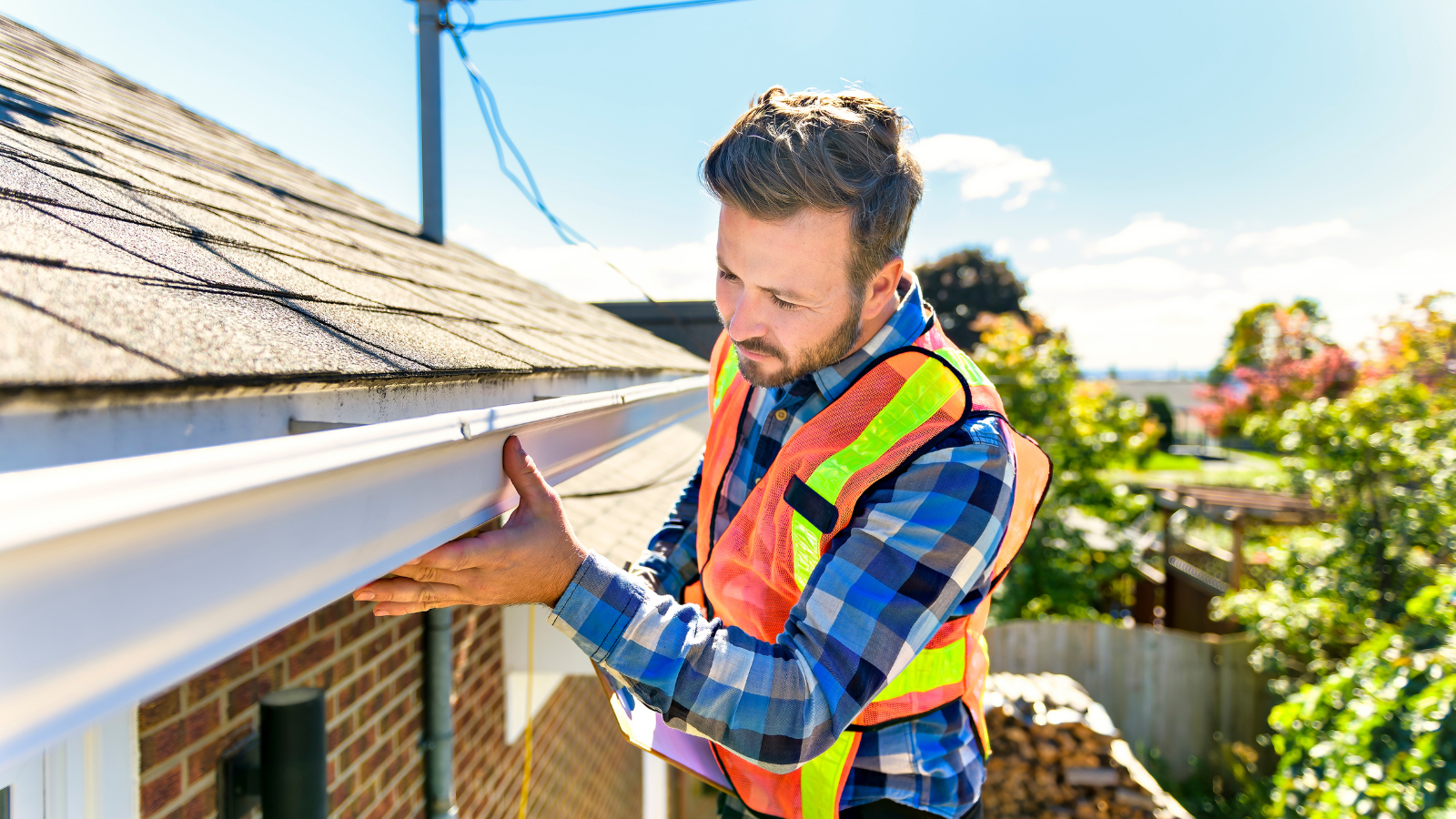
Buying, selling, or maintaining a home often involves several types of inspections. A general home inspection can provide valuable information about the condition of major systems throughout the property, including electrical components, plumbing, HVAC equipment, structural elements, and visible roofing concerns.
However, a home inspection is not the same thing as a dedicated roof inspection performed by a roofing contractor.
Understanding roofing inspection vs home inspection can help homeowners know when a broader property evaluation is enough and when a specialized roofing assessment may be necessary.
At Elkhart County Roofing, we work with homeowners throughout Elkhart, Bristol, Goshen, Granger, Howe, La Porte, LaGrange, Ligonier, Michigan City, Middlebury, Mishawaka, Nappanee, Shipshewana, South Bend, Wakarusa, Fort Wayne, Edwardsburg, Kalamazoo, Niles, and Rochester.
What Is a General Home Inspection?
A general home inspection is designed to provide an overview of many different systems throughout a property.
Depending on the inspector and the home, the inspection may include areas such as:
- Roofing
- Electrical systems
- Plumbing
- HVAC equipment
- Foundation
- Attic
- Walls
- Windows
- Doors
- Exterior drainage
- Visible structural components
The inspector may identify signs of deterioration, safety concerns, moisture problems, or systems that require additional evaluation.
Because the inspection covers the entire property, the roofing portion is only one part of a much larger assessment.
That difference is important when comparing roofing inspection vs home inspection.
What Is a Professional Roof Inspection?
A professional roof inspection focuses specifically on the roofing system and related exterior components.
A roofing contractor may spend considerably more time evaluating areas such as:
- Shingles
- Metal roofing panels
- Flashing
- Roof valleys
- Ridge caps
- Pipe boots
- Roof vents
- Skylights
- Chimneys
- Roof edges
- Gutters
- Fascia
- Soffit
- Attic moisture
- Roof decking where visible
The goal is to determine how the roofing system is performing, identify visible weaknesses, and determine whether repair, maintenance, or replacement should be considered.
Roofing Inspection vs Home Inspection: Why the Difference Matters
The main difference between roofing inspection vs home inspection is scope.
A home inspector must evaluate many systems throughout the property.
A roofing contractor concentrates specifically on the roof and related components.
This specialization may allow the roofer to identify subtle conditions that deserve a closer look.
That does not mean a home inspector is doing a poor job.
It simply means the two inspections serve different purposes.
A general home inspection provides broad information about the property, while a roof inspection provides a more detailed evaluation of one major system.
Home Inspectors May Not Always Walk the Roof
One important difference involves roof access.
Depending on roof height, slope, weather conditions, material, and safety concerns, a home inspector may evaluate the roof from:
- The ground
- A ladder
- A window
- Binoculars
- A camera
- Another safe viewing point
In some situations, physically walking the roof may not be appropriate.
A roofing contractor may have different equipment, training, and procedures for evaluating roofing surfaces more closely.
When roof condition is a major concern, this difference in access can affect the amount of detail available.
Small Shingle Problems May Be Hard to See
From the ground, a roof can appear relatively normal even when individual shingles have problems.
A roofing contractor may identify:
- Lifted shingles
- Wind creases
- Broken seals
- Cracked shingles
- Loose tabs
- Improper fastening
- Localized granule loss
Some of these conditions are difficult to detect without close inspection.
This is one of the most practical examples of why homeowners may benefit from understanding roofing inspection vs home inspection.
Broken Shingle Seals
Asphalt shingles are designed to seal against one another.
Strong winds can sometimes lift a shingle without removing it completely.
After the storm, the shingle may settle back into position.
From the ground, it can look normal.
However, the seal may no longer be intact.
A roofing contractor may be more likely to notice lifted edges or other signs that the shingle has been disturbed.
Broken seals can make shingles more vulnerable during future wind and rain events.
Nail Pops and Fastener Problems
Roofing nails are small, but they play an important role in keeping shingles secure.
A nail that begins backing out can push against the shingle above it.
This may create:
- Raised areas
- Punctures
- Broken seals
- Potential water entry points
Minor nail pops may not be obvious from a general visual inspection.
Roofing contractors routinely look for fastening problems and can determine whether an isolated nail pop or a larger installation issue may be present.
Flashing Problems
Flashing protects vulnerable areas where roofing surfaces meet other components.
It may be installed around:
- Chimneys
- Skylights
- Roof valleys
- Walls
- Plumbing vents
- Dormers
A home inspector may identify obvious flashing damage, but subtle problems may require closer evaluation.
A roofing contractor may inspect flashing for:
- Movement
- Corrosion
- Improper installation
- Failed sealant
- Open edges
- Previous repairs
Because flashing failures are a common source of leaks, these areas deserve careful attention.
Chimney Flashing Details
Chimneys create multiple roof intersections.
Water must be directed around the structure through properly installed flashing.
Potential concerns include:
- Step flashing problems
- Counter flashing issues
- Sealant deterioration
- Masonry cracks
- Water staining
Some chimney related leaks are difficult to diagnose because water can travel before becoming visible inside the home.
A roof focused inspection may provide additional detail when chimney leakage is suspected.
Pipe Boot Deterioration
Plumbing vents extend through the roof and require protective flashing or pipe boots.
Certain pipe boots contain flexible materials that can deteriorate with age and weather exposure.
Small cracks around the vent may allow water into the roof assembly.
Because pipe boots are relatively small components, deterioration may be difficult to see from a distant viewing point.
A roofing contractor may inspect them closely for cracking, separation, or other visible signs of failure.
Roof Valley Problems
Valleys are among the most important drainage areas on a sloped roof.
Water from multiple roof surfaces flows through these sections.
A contractor may inspect valleys for:
- Damaged shingles
- Debris
- Worn materials
- Flashing problems
- Poor installation
- Signs of previous repairs
Because valleys carry significant amounts of water during storms, even minor deterioration can become important.
The level of attention given to valleys is another distinction homeowners should understand when comparing roofing inspection vs home inspection.
Ridge Cap Damage
Ridge caps protect the highest points where roof slopes meet.
They are exposed to significant wind and weather.
Problems may include:
- Cracks
- Missing sections
- Loose fasteners
- Wind damage
- Material deterioration
From the ground, ridge damage can be difficult to identify.
A close roof inspection may reveal problems that are not obvious during a broader property evaluation.
Hidden Storm Damage
Storm damage is not always dramatic.
A roof may have no missing shingles and still contain problems caused by wind or hail.
Potential storm related conditions include:
- Hail bruising
- Granule loss
- Wind creasing
- Lifted shingles
- Damaged flashing
- Dented metal components
Some of these conditions require close examination.
If a property has recently experienced severe weather, a dedicated roof inspection may be helpful even when a general home inspection found no major roofing concerns.
Hail Damage Can Be Subtle
Hail can affect asphalt shingles in several ways.
Potential signs include:
- Localized granule loss
- Surface bruising
- Exposed asphalt
- Cracking
- Damage to vents or flashing
The extent of damage depends on factors such as hail size, wind, roof age, and roofing material.
A roofing contractor familiar with storm damage may examine both the roof surface and related exterior components for clues.
Wind Damage Without Missing Shingles
Homeowners often associate wind damage with shingles scattered around the yard.
However, shingles can be damaged without blowing away.
Wind may:
- Lift edges
- Break adhesive seals
- Create creases
- Loosen ridge caps
- Shift flashing
These conditions can be difficult to identify from ground level.
This is another reason roofing inspection vs home inspection should not be viewed as an either or choice. The two evaluations can complement each other.
Early Granule Loss
Asphalt shingles contain protective granules on their surface.
Some granule loss is normal over time.
Excessive or localized loss may indicate:
- Aging
- Hail impact
- Foot traffic
- Physical damage
Roofing contractors may evaluate whether granule loss appears consistent with normal aging or whether certain areas deserve closer attention.
Granules may also collect in gutters and downspouts, providing another clue about roof condition.
Soft or Damaged Roof Decking
Roof decking sits beneath the roofing materials.
Homeowners usually cannot see most of it without removing shingles.
However, professional roofers may recognize surface movement or soft areas that suggest underlying deterioration.
Possible causes include:
- Moisture
- Long term leaks
- Rot
- Structural movement
If damaged decking is suspected, further investigation may be necessary.
A roofing contractor can explain what can and cannot be determined without removing roofing materials.
Attic Moisture Clues
The attic can provide valuable information about roof performance.
Visible warning signs may include:
- Water stains
- Damp insulation
- Darkened decking
- Rusted fasteners
- Musty odors
- Condensation
A general home inspector may evaluate the attic, but a roofing contractor can connect these observations directly with roof areas above.
This can be useful when trying to trace an intermittent leak.
Water Does Not Always Appear Directly Below a Leak
Roof leaks can be difficult to diagnose because water may travel.
After entering the roofing system, moisture can move along:
- Decking
- Rafters
- Trusses
- Insulation
- Pipes
A ceiling stain may therefore appear far from the actual entry point.
Roofing contractors regularly work with these patterns and may inspect several potential entry areas rather than assuming the leak begins directly above the stain.
Previous Roof Repairs
A roof may contain evidence of previous repairs.
Some are performed correctly and continue to function well.
Others may involve temporary patches, excessive sealant, or materials that do not properly address the underlying problem.
Roofing contractors may evaluate:
- Patched shingles
- Repaired flashing
- Sealant applications
- Modified roof penetrations
- Replaced sections
Understanding repair history can help determine whether current problems are isolated or recurring.
Improper Roofing Installation
Some roofing concerns are caused not by age or storms but by installation.
Possible issues include:
- Incorrect nail placement
- Improper fastener depth
- Poor flashing details
- Inadequate shingle overlap
- Incorrect ventilation
- Improper valley installation
These defects may not become obvious until years after the roof is installed.
A contractor familiar with roofing installation methods may recognize patterns that indicate workmanship concerns.
Attic Ventilation Problems
Ventilation plays an important role in managing attic heat and moisture.
A roofing contractor may look at:
- Intake vents
- Exhaust vents
- Blocked soffit ventilation
- Roof vent placement
- Moisture conditions
Ventilation problems can contribute to condensation, moisture accumulation, and premature deterioration of some roofing materials.
When comparing roofing inspection vs home inspection, this is another area where roofing specific knowledge can provide additional context.
Gutters and Roof Drainage
Roof inspections often include the drainage system because gutters affect roof edges and water management.
Roofing contractors may look for:
- Clogged gutters
- Sagging sections
- Loose hangers
- Improper slope
- Damaged downspouts
- Water running behind gutters
Poor drainage can affect fascia, soffit, siding, landscaping, and foundations.
It can also contribute to problems near roof edges.
Fascia and Soffit Problems
Fascia and soffit sit near the roof edge and can provide clues about long term moisture problems.
Signs may include:
- Rot
- Peeling paint
- Soft wood
- Water staining
- Loose panels
Damage may originate from overflowing gutters, roof leaks, or drainage problems.
Because roofers work closely with roof edge systems, they may recognize how these components relate to roofing performance.
Skylight Concerns
Skylights create roof penetrations that require careful flashing.
Potential issues include:
- Failed flashing
- Deteriorated sealants
- Condensation
- Frame problems
- Water staining
It is important to distinguish between actual roof leakage and condensation around the skylight.
A dedicated roof inspection can help evaluate the surrounding roofing and flashing details.
Roof Age and Material Condition
A home inspector may estimate roof age or comment on general condition.
A roofing contractor may provide a more detailed assessment of how the roofing materials are performing.
Age should be considered alongside:
- Granule retention
- Cracking
- Curling
- Previous repairs
- Flashing condition
- Storm damage
- Leak history
An older roof does not automatically require replacement.
Likewise, a younger roof can develop serious problems if installation or storm damage is involved.
Repair vs. Replacement Evaluation
One important benefit of a dedicated roof inspection is the ability to discuss whether identified problems appear repairable.
Repair may be appropriate when:
- Damage is localized
- Most roofing materials remain sound
- Decking appears serviceable
- Leaks have a specific source
Replacement may deserve consideration when:
- Deterioration is widespread
- Multiple leaks are present
- Repairs are becoming frequent
- Roofing materials are significantly aged
- Decking problems are extensive
The answer should be based on overall roof condition rather than one isolated symptom.
Why a Home Inspection Is Still Valuable
Understanding roofing inspection vs home inspection should not diminish the value of a home inspector.
A general home inspection can provide important information about the entire property.
It may identify issues related to:
- Electrical safety
- Plumbing
- Foundation
- HVAC equipment
- Structural concerns
- Roofing
- Drainage
- Interior moisture
That broad perspective is especially useful during real estate transactions.
The key is recognizing when a specialist should provide additional evaluation.
When Should You Call a Roofing Contractor After a Home Inspection?
Consider requesting a dedicated roof inspection when the home inspection report mentions:
- Possible roof damage
- Active or previous leaks
- Missing shingles
- Flashing concerns
- Significant roof age
- Attic moisture
- Roof drainage problems
- Unclear storm damage
You may also want a roofing inspection if the inspector could not access large sections of the roof.
A specialist can provide additional detail about roofing concerns before decisions are made.
Buying a Home
Roof condition can influence future maintenance and repair expenses.
If you are buying a home and the roof raises questions, a dedicated inspection can help clarify the situation.
For example, a home inspection might say that shingles show signs of aging.
A roofing contractor may be able to provide more information about:
- Current condition
- Areas requiring repair
- Flashing
- Ventilation
- Storm damage
- Whether replacement should be considered
This information can help buyers understand what they may be taking responsibility for after closing.
Selling a Home
Sellers can also benefit from understanding roof condition before listing.
Finding a roofing problem early provides more time to address it rather than discovering it during negotiations.
A prelisting roof evaluation may help identify:
- Missing or damaged shingles
- Small leaks
- Gutter problems
- Flashing concerns
- Maintenance needs
Resolving appropriate issues ahead of time may help prevent surprises later in the transaction.
Homeowners Who Are Not Buying or Selling
You do not need to be involved in a real estate transaction to benefit from a roof inspection.
Existing homeowners may schedule inspections because of:
- Storms
- Aging roofing
- Ceiling stains
- Missing shingles
- Gutter problems
- Concerns about ventilation
Routine roof maintenance can help identify problems before they affect larger portions of the home.
What a Roofing Contractor Should Not Do
A roofing inspection should be based on observable conditions, not pressure.
Be cautious of contractors who:
- Claim every roof needs replacement
- Guarantee insurance approval
- Use fear based tactics
- Refuse to explain findings
- Pressure you to sign immediately
A professional contractor should be able to explain what was observed and why a particular repair or replacement option may be appropriate.
Questions to Ask After a Roof Inspection
Homeowners can ask:
- What problems did you find?
- Are they isolated or widespread?
- Is there evidence of active moisture?
- Can the issue be repaired?
- What condition are the flashing and roof penetrations in?
- Are there signs of storm damage?
- How does the attic look?
- Are gutters draining properly?
- Does the roof need immediate attention?
Clear answers can help homeowners understand the condition of their property.
Why Photos and Documentation Help
Roof photographs can be useful when explaining inspection findings.
They allow homeowners to see conditions that may not be visible from the ground.
Documentation can include:
- Damaged shingles
- Flashing problems
- Roof penetrations
- Storm damage
- Gutter issues
- Previous repairs
Photos do not replace professional explanation, but they can make the findings easier to understand.
Roofing Inspection vs Home Inspection After a Storm
After severe weather, the difference between roofing inspection vs home inspection becomes especially important.
A general home inspector may identify broad property concerns, but roofing contractors focus specifically on storm related roof damage.
They may evaluate:
- Hail impact
- Wind creasing
- Lifted shingles
- Damaged ridge caps
- Loose flashing
- Gutter impacts
- Debris damage
If you suspect storm damage, a dedicated roofing inspection may provide the level of detail needed to understand the condition of the roof.
Roofing Inspection vs Home Inspection for Older Homes
Older homes can have more complex roofing histories.
A roof may have:
- Multiple repair areas
- Previous reroofing work
- Older flashing
- Modified ventilation
- Aging decking
In these situations, the distinction between roofing inspection vs home inspection can become even more valuable.
A specialist can focus on how the individual roofing components interact and whether previous work appears to be performing properly.
Roofing Inspection vs Home Inspection for Newer Roofs
Newer does not always mean problem free.
A relatively recent roof may still have:
- Fastening issues
- Improper flashing
- Ventilation concerns
- Storm damage
- Installation defects
If a newer roof is leaking or showing unusual wear, a professional roofing evaluation can help determine why.
A general home inspection may identify the symptom, while the roofing contractor can focus on the installation details that may be contributing to it.
Why Local Roofing Experience Matters
Homes throughout Elkhart and surrounding communities face changing weather throughout the year.
Roofing systems may encounter:
- Snow
- Ice
- Freeze and thaw cycles
- Heavy rain
- Wind
- Hail
- Summer heat
These conditions can affect shingles, flashing, gutters, ventilation, fasteners, and other roofing components.
A local roofing contractor understands how these seasonal conditions can contribute to roof deterioration.
That regional experience can be valuable when evaluating whether a roofing condition reflects normal aging, maintenance needs, or weather related damage.
Why Choose Elkhart County Roofing?
At Elkhart County Roofing, we focus specifically on roofing systems and the exterior components that support them.
We proudly serve homeowners throughout Elkhart, Bristol, Goshen, Granger, Howe, La Porte, LaGrange, Ligonier, Michigan City, Middlebury, Mishawaka, Nappanee, Shipshewana, South Bend, Wakarusa, Fort Wayne, Edwardsburg, Kalamazoo, Niles, and Rochester.
Our services include:
- Roof inspections
- Roof repair
- Roof replacement
- Storm damage restoration
- Residential roofing
- Commercial roofing
- Shingle roofing
- Metal roofing
When a home inspection raises questions about the roof, our team can provide a more focused evaluation of the roofing system.
Understanding roofing inspection vs home inspection can help homeowners choose the right type of professional for the information they need.
Final Thoughts
Home inspectors and roofing contractors play different but complementary roles.
A home inspector provides a broad evaluation of the entire property. That perspective is extremely useful, particularly when buying or selling a home.
A roofing contractor provides specialized knowledge focused on the roofing system.
That closer evaluation may identify conditions such as lifted shingles, broken seals, nail pops, flashing problems, pipe boot deterioration, roof valley concerns, subtle storm damage, drainage problems, ventilation issues, and signs of previous repairs.
Understanding roofing inspection vs home inspection helps homeowners know when an additional specialist may be valuable.
A home inspector may identify that something deserves attention. A roofing contractor can then examine the roofing components more closely and determine what may be causing the issue.
This distinction can be particularly important after severe weather, when buying an older home, when unexplained ceiling stains appear, or when the roof has a history of repairs.
For Columbia homeowners, or in this case for homeowners throughout Elkhart County Roofing’s service area, the most important goal is not choosing one inspection over the other. It is making sure the right professional evaluates the right system.
Our team can provide a focused roofing evaluation and explain what we find so you can make informed decisions about maintenance, repair, or replacement.
When it comes to roofing inspection vs home inspection, the difference is specialization. A general inspector looks at the home as a whole, while a roofing contractor concentrates on the system protecting everything beneath it.
