
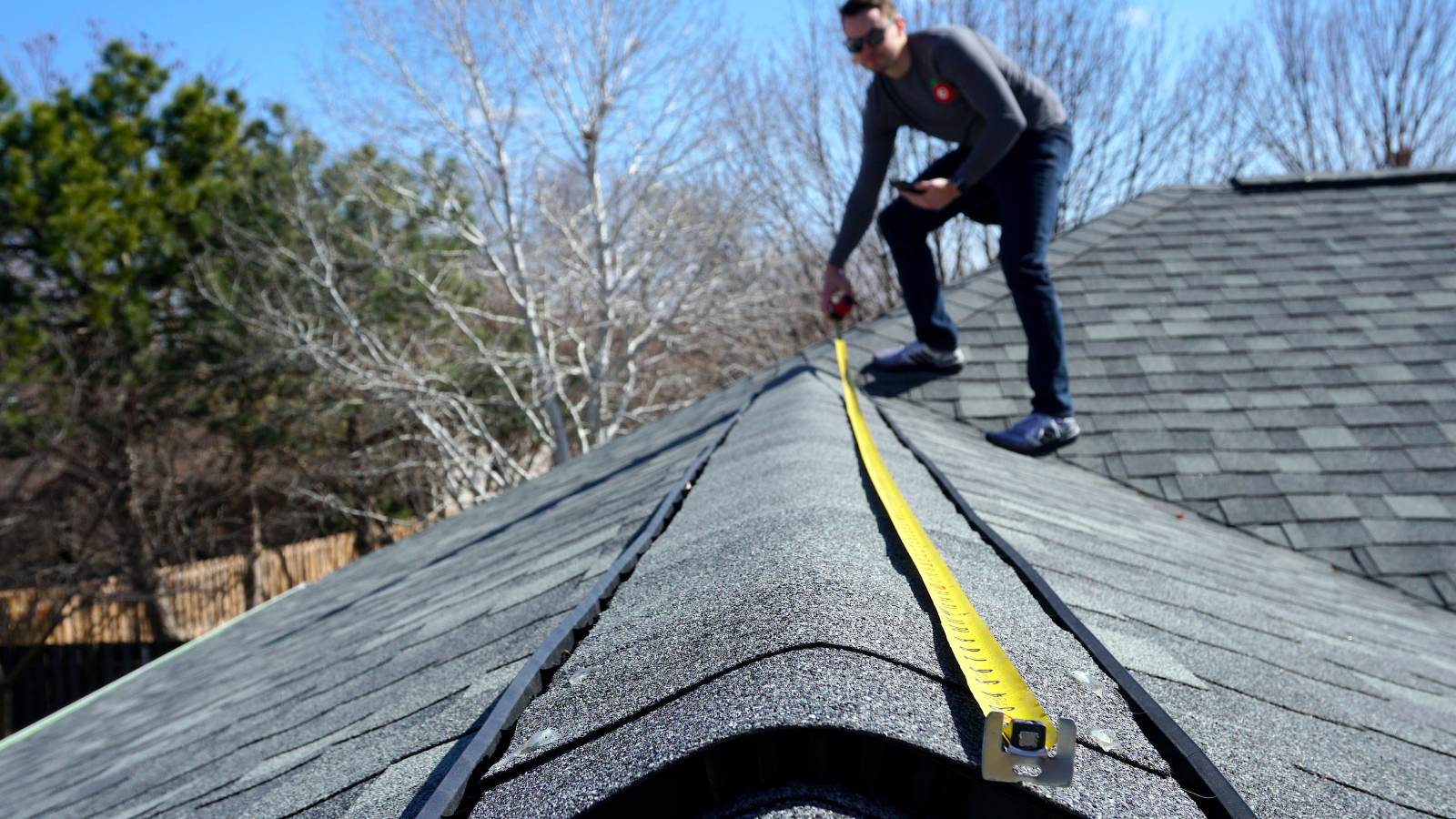
Your roof protects your home every day, but the conditions it faces can change dramatically throughout the year. Spring may bring heavy rain and thunderstorms. Summer exposes roofing materials to heat, sunlight, wind, and severe weather. Fall brings leaves and debris that can clog gutters and valleys. Winter introduces snow, ice, freezing temperatures, and repeated freeze and thaw cycles.
For homeowners throughout Northern Indiana and nearby Michigan communities, taking care of a roof should therefore be a year round responsibility.
A consistent seasonal roof maintenance plan can help you identify minor concerns before they become more extensive. It can also help protect shingles, flashing, gutters, roof penetrations, attic spaces, and other components that work together to keep moisture outside your home.
At Elkhart County Roofing, we work with homeowners throughout Elkhart, Bristol, Goshen, Granger, Howe, La Porte, LaGrange, Ligonier, Michigan City, Middlebury, Mishawaka, Nappanee, Shipshewana, South Bend, Wakarusa, Fort Wayne, Edwardsburg, Kalamazoo, Niles, and Rochester.
Why Year Round Roof Maintenance Matters
Roofing systems are constantly exposed to changing conditions.
Even when there is no obvious storm damage or active leak, roofing components gradually experience wear.
Potential concerns include:
- Loose or damaged shingles
- Deteriorated flashing
- Clogged gutters
- Debris in roof valleys
- Damaged pipe boots
- Moisture in the attic
- Loose roof vents
- Fascia and soffit deterioration
Individually, some of these problems may begin small.
However, a minor weakness can become more serious when severe weather arrives.
The purpose of seasonal roof maintenance is to identify those vulnerabilities early and maintain the roof as a complete system.
Understanding Your Residential Roofing System
Homeowners often think of the visible shingles as the entire roof.
In reality, a residential roofing system contains several components that work together.
Depending on the home, these may include:
- Roof decking
- Underlayment
- Shingles or metal roofing
- Flashing
- Ridge caps
- Roof vents
- Pipe boots
- Gutters
- Downspouts
- Fascia
- Soffit
- Attic insulation
- Ventilation
A problem with one component can affect others.
For example, clogged gutters can contribute to water problems around roof edges. Poor attic ventilation can contribute to unwanted heat or moisture beneath roofing materials. Damaged flashing can allow water beneath otherwise healthy shingles.
Effective maintenance considers the entire system.
Spring Roof Maintenance
Spring is an important time to evaluate how your roof handled winter.
Snow, ice, freezing temperatures, and wind may leave behind damage that was difficult to identify during colder months.
As temperatures become more comfortable, homeowners can begin with a safe ground level inspection.
Check for Winter Roof Damage
Walk around your property and look at the roof from several angles.
Watch for:
- Missing shingles
- Lifted shingles
- Damaged ridge caps
- Uneven roof areas
- Roofing debris in the yard
- Loose gutters
- Damaged downspouts
If something appears different from the previous season, consider having the roof professionally inspected.
Avoid climbing onto the roof yourself. Spring surfaces may still be wet or slippery.
Inspect Your Gutters
Gutters can collect debris throughout fall and winter.
Leaves, twigs, roofing granules, and other materials can interfere with drainage.
Spring seasonal roof maintenance should include checking whether gutters and downspouts can move water efficiently.
Watch the system during rainfall from a safe location.
Look for:
- Overflow
- Leaking seams
- Sagging sections
- Water running behind gutters
- Blocked downspouts
Heavy spring rain can quickly reveal drainage problems.
Clear Roof Valleys
Roof valleys handle runoff from multiple roof slopes.
Debris left in a valley may interfere with drainage and hold moisture against roofing materials.
Branches, leaves, and other materials should be removed safely.
Because walking on the roof carries fall and roofing damage risks, homeowners should consider professional assistance when debris cannot be reached safely.
Check Flashing
Flashing helps protect vulnerable roof intersections.
Common flashing locations include:
- Chimneys
- Skylights
- Roof valleys
- Plumbing vents
- Sidewalls
- Dormers
Winter conditions may expose existing weaknesses.
Loose, damaged, corroded, or deteriorated flashing deserves attention before heavy spring storms become frequent.
Look Inside the Attic
If your attic is safely accessible, spring is a useful time to check for moisture clues.
Look for:
- Water stains
- Damp insulation
- Darkened roof decking
- Rusted fasteners
- Musty odors
- Visible mold
- Signs of condensation
A dry ceiling below does not necessarily mean the roof has remained completely dry.
Small leaks can affect attic materials before moisture becomes visible inside living spaces.
Schedule Repairs Before Storm Season
If spring inspection identifies damaged shingles, flashing problems, loose gutters, or other concerns, addressing them early can help prepare the roof for thunderstorms and wind.
A small roofing weakness may be easier to correct before a severe weather event makes the problem worse.
That preventive approach is one of the main advantages of regular seasonal roof maintenance.
Summer Roof Maintenance
Summer brings different challenges.
Heat, sunlight, thunderstorms, hail, and high winds can all affect roofing systems.
Although homeowners may spend more time outdoors during summer, the roof should still be monitored from safe locations.
Monitor Shingle Condition
High roof temperatures can place stress on aging roofing materials.
Look for visible signs such as:
- Curling shingles
- Cracks
- Missing shingles
- Raised areas
- Significant granule loss
Some deterioration is difficult to see from the ground.
If your roof is older or has experienced repeated storms, a professional inspection can provide a closer evaluation.
Pay Attention After Thunderstorms
Northern Indiana can experience summer thunderstorms that bring heavy rain and strong winds.
After significant weather, walk around the property and look for:
- Roofing materials on the ground
- Fallen branches
- Missing shingles
- Damaged gutters
- Loose siding
- Dented exterior components
A roof does not need to have a large visible hole to sustain storm damage.
Wind may lift shingles or affect their seals without completely removing them.
Check for Hail Damage Clues
Hail damage may not always be visible from the yard.
However, other exterior components can provide clues.
Look for:
- Dented gutters
- Damaged downspouts
- Impact marks on exterior metal
- Damaged siding
- Broken branches
These observations do not automatically confirm roof damage, but they may justify professional inspection after a significant hailstorm.
Keep Trees Away From the Roof
Summer growth can bring branches closer to roofing surfaces.
Branches that touch the roof can:
- Rub against shingles
- Deposit debris
- Damage gutters
- Create impact risk during storms
Trees can also provide pathways for animals to reach the roof.
Have potentially hazardous branches trimmed by an appropriate tree professional, particularly when they are large or near power lines.
Monitor Attic Heat
Attic ventilation helps manage heat and moisture.
A very hot attic does not automatically mean the ventilation system is defective, but unusual conditions may deserve evaluation.
Roofing ventilation commonly depends on a combination of intake and exhaust.
Problems can occur when:
- Soffit vents are blocked
- Insulation covers intake areas
- Exhaust ventilation is inadequate
- Vents are damaged
Ventilation is an important part of seasonal roof maintenance because conditions beneath the roof can influence the performance of the overall roofing system.
Look for Signs of Summer Leaks
Heavy thunderstorms may reveal roof leaks that were not obvious during lighter rainfall.
Inside the home, watch for:
- Ceiling stains
- Damp walls
- Bubbling paint
- Musty odors
- Attic moisture
A leak may occur only when rain is driven from a particular direction.
If a stain appears after severe weather, document it and schedule an evaluation.
Fall Roof Maintenance
Fall preparation is particularly important in areas where trees shed significant amounts of leaves.
Debris can collect on roofing surfaces, in valleys, and inside gutters.
At the same time, homeowners need to prepare the roof for colder weather.
Remove Leaves and Debris
Leaves can hold moisture against roofing materials and interfere with drainage.
Pay particular attention to:
- Roof valleys
- Gutters
- Flat or low slope sections
- Areas behind chimneys
- Roof transitions
Homeowners should avoid walking on steep or wet roofs.
If debris cannot be safely removed from the ground or an appropriate ladder position, professional service is recommended.
Clean Gutters Before Winter
Gutter cleaning is one of the most important fall seasonal roof maintenance tasks.
A gutter filled with leaves cannot effectively manage rain or melting snow.
Water may overflow and affect:
- Fascia
- Soffit
- Siding
- Landscaping
- Foundations
Debris also adds weight to gutters.
When temperatures fall, trapped water may freeze and add even more weight.
Check Downspouts
Downspouts should be clear and securely attached.
Make sure water has an appropriate path away from the home.
Check for:
- Clogs
- Loose connections
- Crushed sections
- Missing extensions
- Improper discharge
Roof drainage does not stop at the gutter. Water needs to be directed safely after it reaches ground level.
Inspect Shingles Before Cold Weather
Fall is a good time to address known shingle problems before winter.
Look for:
- Missing shingles
- Cracked shingles
- Lifted edges
- Loose ridge caps
- Visible roof irregularities
Cold temperatures can make some roofing materials less flexible, so completing appropriate repairs before winter may be beneficial.
Check Roof Penetrations
Roof penetrations include plumbing vents, exhaust vents, skylights, and other components that pass through the roofing system.
These areas often rely on flashing, boots, or seals for protection.
Fall inspections can identify visible deterioration before snow and ice make roof access more difficult.
Check the Attic Before Winter
Your attic can provide clues about whether the roofing and ventilation systems are prepared for colder weather.
Look for:
- Existing moisture
- Blocked vents
- Damp insulation
- Water stains
- Signs of condensation
If insulation has shifted or is blocking soffit intake areas, ventilation may be affected.
A professional can help evaluate ventilation concerns when needed.
Trim Overhanging Branches
Winter snow and ice can add substantial weight to tree branches.
A branch that appears stable during summer may become more vulnerable after accumulating snow.
Fall is a useful time to identify branches that could strike the roof during winter weather.
Large or dangerous tree work should be handled by qualified professionals.
Winter Roof Maintenance
Winter presents some of the most challenging conditions for residential roofing.
Snow, ice, freezing temperatures, and repeated freeze and thaw cycles can all affect the system.
Homeowners should focus primarily on observation and safety during winter rather than attempting rooftop maintenance themselves.
Monitor Snow Accumulation
Snow loads vary depending on the type and moisture content of the snow.
Homeowners should watch for unusual accumulation, particularly on roof sections where drifting occurs.
Do not climb onto a snow covered roof.
If you have concerns about excessive snow or structural conditions, contact an appropriate professional.
Watch for Ice Along Roof Edges
Ice may develop around roof edges and gutters during winter.
The presence of ice can have several causes.
One concern is the development of ice dams, which can occur when heat causes snow higher on the roof to melt and water later freezes near colder roof edges.
Ice dams can interfere with normal drainage and may allow water to move beneath roofing materials.
Understanding Ice Dams
Ice dams are influenced by several factors, including:
- Attic heat loss
- Insulation
- Ventilation
- Outdoor temperatures
- Snow conditions
- Roof design
Simply removing visible ice may not address the underlying cause.
If ice dams occur repeatedly, the attic insulation and ventilation system may deserve evaluation.
Winter seasonal roof maintenance should include monitoring these patterns rather than waiting for interior water damage.
Keep an Eye on Gutters
Gutters may become filled with snow or ice during winter.
Do not strike frozen gutters or attempt aggressive ice removal that could damage the system.
Watch for:
- Sagging
- Separation from fascia
- Loose downspouts
- Ice accumulation
If the gutter begins pulling away from the home, professional evaluation may be necessary once conditions allow safe access.
Check for Interior Moisture
Winter leaks may appear during snow melt or freeze and thaw cycles.
Inside your home, watch for:
- Ceiling stains
- Damp insulation
- Musty odors
- Water marks
- Peeling paint
A stain that appears during winter does not automatically mean an ice dam is responsible.
Roof flashing, plumbing, condensation, or other moisture sources may also need investigation.
Monitor Attic Condensation
Warm indoor air contains moisture.
If excessive moisture reaches cold attic surfaces, condensation can develop.
Possible warning signs include:
- Frost on roof decking
- Damp insulation
- Water droplets
- Rusted nails
- Mold or mildew
Condensation can sometimes be mistaken for a roof leak.
A professional evaluation can help determine whether moisture is entering from outside or developing within the attic.
Building a Year Round Seasonal Roof Maintenance Schedule
Roof maintenance becomes easier when homeowners follow a routine rather than responding only when problems appear.
A simple yearly schedule might look like this:
Spring: Evaluate winter damage, inspect gutters, check flashing, and look for attic moisture.
Summer: Monitor storm damage, tree growth, shingles, and attic conditions.
Fall: Remove debris, clean gutters, check downspouts, and prepare for snow and freezing weather.
Winter: Monitor snow, ice, gutters, attic condensation, and interior moisture.
This approach helps make seasonal roof maintenance part of normal home ownership.
Inspect After Severe Weather Regardless of Season
Storms do not always follow convenient maintenance schedules.
Strong winds, hail, falling branches, and heavy rain can occur between planned inspections.
After severe weather, homeowners should safely walk around the property.
Look for:
- Missing roofing materials
- Fallen branches
- Damaged gutters
- Loose exterior components
- Roof debris
Inside the home, check for new water stains or attic moisture.
If something appears unusual, schedule a professional inspection.
Keep Gutters and Roof Drainage Working
Gutters deserve attention throughout the year because they connect roof performance with ground drainage.
Clean, properly secured gutters help move water away from roof edges.
Downspouts then carry that water toward the ground.
Problems such as clogs, sagging, and poor discharge can affect other areas of the property.
Consistent gutter care should therefore be part of every seasonal roof maintenance plan.
Pay Attention to Flashing Year Round
Flashing protects some of the roof’s most vulnerable areas.
It can be affected by age, storms, temperature movement, previous repairs, and sealant deterioration.
Because flashing problems may produce intermittent leaks, they can be difficult for homeowners to identify.
If you repeatedly notice moisture after storms, flashing should be included in the professional evaluation.
Maintain Chimneys and Skylights
Chimneys and skylights create roof intersections that require careful waterproofing.
Roofing contractors may inspect the flashing around these features, but the components themselves may require maintenance from other qualified professionals.
For example, masonry deterioration can sometimes contribute to chimney related moisture.
Keeping both the roofing details and the structures they surround in good condition can reduce leak risks.
Do Not Ignore Small Ceiling Stains
A ceiling stain is evidence that moisture was present at some point.
Even if it is currently dry, the source should be investigated.
Roof leaks can be intermittent.
Water may enter only during:
- Heavy rainfall
- Strong wind
- Snow melt
- Certain storm directions
It can also travel along framing before reaching the ceiling.
Monitoring interior conditions is therefore an important part of seasonal roof maintenance.
Keep Records of Roof Repairs
Maintaining basic roofing records can help you understand how the system changes over time.
Keep information such as:
- Roof installation date
- Inspection dates
- Repair records
- Warranty documents
- Storm damage photographs
- Previous leak locations
If a particular area repeatedly requires attention, this history can help identify a pattern.
Records can also be useful when planning future maintenance or replacement.
Know the Age of Your Roof
Roof age is only one factor in determining condition, but it provides useful context.
A newer roof may require repair after severe storm damage.
An older roof may still perform well when properly installed and maintained.
As the roofing system ages, homeowners should pay closer attention to:
- Shingle condition
- Flashing
- Granule loss
- Repairs
- Leaks
- Ventilation
- Decking concerns
The goal is to evaluate actual condition rather than relying on age alone.
Avoid Pressure Washing Your Roof
Homeowners sometimes consider pressure washing roofing materials to remove stains or organic growth.
High pressure water can damage asphalt shingles and remove protective granules.
It may also force water into areas that are normally protected from direct spray.
If your roof has staining, moss, algae, or other growth, consult a roofing professional about appropriate cleaning options for the roofing material.
Avoid Unnecessary Roof Traffic
Walking on roofing materials can cause damage, particularly when shingles are very hot, cold, aged, or brittle.
Foot traffic may:
- Loosen granules
- Crack shingles
- Damage seals
- Create punctures
Homeowners should avoid climbing onto the roof for routine inspections.
Many conditions can be monitored from the ground, while professional roofers have the equipment and training necessary for closer evaluation.
Why DIY Roof Repairs Can Create Problems
A small leak or loose shingle may appear simple to repair.
However, roofing systems rely on overlapping layers and proper installation details.
Incorrect repairs may:
- Trap moisture
- Damage shingles
- Leave nail holes exposed
- Interfere with flashing
- Create additional leak paths
Safety is another significant concern.
Professional repairs can address both the visible problem and its underlying cause.
When to Schedule a Professional Roof Inspection
Professional inspections may be useful when:
- You notice missing shingles
- A ceiling stain appears
- Gutters contain unusual amounts of roofing debris
- A severe storm affects your neighborhood
- The roof is aging
- You are buying or selling a home
- Previous repairs keep failing
You do not necessarily need to wait for an obvious leak.
Preventive inspections can help identify maintenance needs before interior damage occurs.
Repair vs. Replacement
Routine maintenance can extend the useful performance of a roof, but it cannot reverse extensive material deterioration.
Repair may make sense when:
- Damage is localized
- Most roofing materials remain sound
- One flashing area has failed
- Only a limited number of shingles are affected
Replacement may deserve consideration when:
- Damage is widespread
- Leaks occur in multiple areas
- Roofing materials are significantly deteriorated
- Repairs are becoming frequent
- Decking damage is extensive
A professional evaluation can help determine which option is appropriate.
Why Preventive Maintenance Is More Practical Than Emergency Repairs
Emergency roofing problems tend to happen at inconvenient times.
A leak during a thunderstorm or snow melt can require immediate attention while also threatening interior materials.
Preventive seasonal roof maintenance gives homeowners more control.
Finding a loose flashing detail during a scheduled inspection is generally easier to manage than discovering the problem after water reaches the ceiling.
Preventive care cannot eliminate every storm related risk, but it can reduce avoidable vulnerabilities.
Seasonal Roof Maintenance for Older Homes
Older homes may have roofing systems with complex histories.
There may be:
- Previous repairs
- Modified ventilation
- Older decking
- Multiple layers of past work
- Aging flashing
Homeowners should pay particular attention to recurring moisture or areas that have been repaired multiple times.
A professional inspection can help distinguish isolated maintenance needs from broader roofing deterioration.
Seasonal Roof Maintenance for Newer Homes
Newer roofs also require attention.
Storm damage, debris, drainage problems, or installation issues can occur regardless of roof age.
Homeowners should still monitor gutters, attic moisture, shingles, and flashing.
Regular seasonal roof maintenance helps establish a baseline so unusual changes are easier to recognize later.
Why Northern Indiana Weather Requires Consistent Roof Care
Northern Indiana weather can change considerably from one season to another.
Homes may experience:
- Spring rain
- Thunderstorms
- Strong winds
- Hail
- Summer heat
- Falling leaves
- Snow
- Ice
- Freezing temperatures
Each condition places different demands on roofing materials.
That makes a year round approach more useful than inspecting the roof only when a leak appears.
Protecting Homes Across the Elkhart Area
Elkhart County Roofing serves homeowners throughout Elkhart, Bristol, Goshen, Granger, Howe, La Porte, LaGrange, Ligonier, Michigan City, Middlebury, Mishawaka, Nappanee, Shipshewana, South Bend, Wakarusa, Fort Wayne, Edwardsburg, Kalamazoo, Niles, and Rochester.
Although individual properties and roof designs vary, the basic maintenance principles remain consistent.
Keep water moving.
Keep debris under control.
Monitor roofing materials.
Maintain flashing and penetrations.
Pay attention to attic moisture.
Respond promptly after severe weather.
These habits create a strong foundation for effective seasonal roof maintenance.
Why Choose Elkhart County Roofing?
At Elkhart County Roofing, we understand how changing regional weather affects residential roofing systems.
Our services include roof inspections, roof repair, roof replacement, storm damage restoration, residential roofing, commercial roofing, shingle roofing, and metal roofing.
When inspecting a roof, we look beyond one visible symptom.
A ceiling stain may lead us to evaluate flashing and roof penetrations. A sagging gutter may indicate drainage or fascia concerns. Missing shingles after a storm may justify checking surrounding materials for additional wind damage.
Our goal is to help homeowners understand what their roof needs based on its actual condition.
Whether you need preventive maintenance, storm damage evaluation, repair, or replacement, professional roofing care can help protect the home throughout the year.
Final Thoughts
Your roof does not experience the same conditions every month, which is why maintenance should change with the seasons.
Spring is the time to look for winter damage and prepare for rain.
Summer requires attention to thunderstorms, hail, heat, and wind.
Fall is essential for clearing debris, cleaning gutters, and preparing the roofing system for colder weather.
Winter requires careful monitoring for snow, ice, attic condensation, and moisture.
A consistent seasonal roof maintenance plan helps homeowners recognize small problems before they become larger concerns.
You do not need to climb onto your roof every few months. In fact, unnecessary roof access can create safety risks and damage roofing materials.
Instead, monitor the roof from the ground, check accessible attic areas, keep gutters functioning, watch for interior moisture, and schedule professional inspections when concerns arise.
Most importantly, do not wait for water to begin dripping from the ceiling before thinking about roof condition.
Many roofing problems provide warning signs first.
Missing shingles, damaged gutters, loose flashing, unusual granule accumulation, attic moisture, and small ceiling stains can all indicate that the roof deserves attention.
For homeowners in Elkhart and surrounding Northern Indiana and Michigan communities, year round seasonal roof maintenance can help keep roofing systems prepared for whatever the next season brings.
If you notice roof damage, leaks, drainage problems, or other concerns during your seasonal roof maintenance, contact Elkhart County Roofing. Our team can inspect your residential roofing system, explain what we find, and recommend appropriate repair, maintenance, or replacement solutions to help protect your home throughout every season.
